
Top 12 Best Ideas for a Family Photoshoot with Kids
Feeling stressed about planning a family photoshoot? Get 12 tips for a successful family photo session with kids and plan your family photos today!
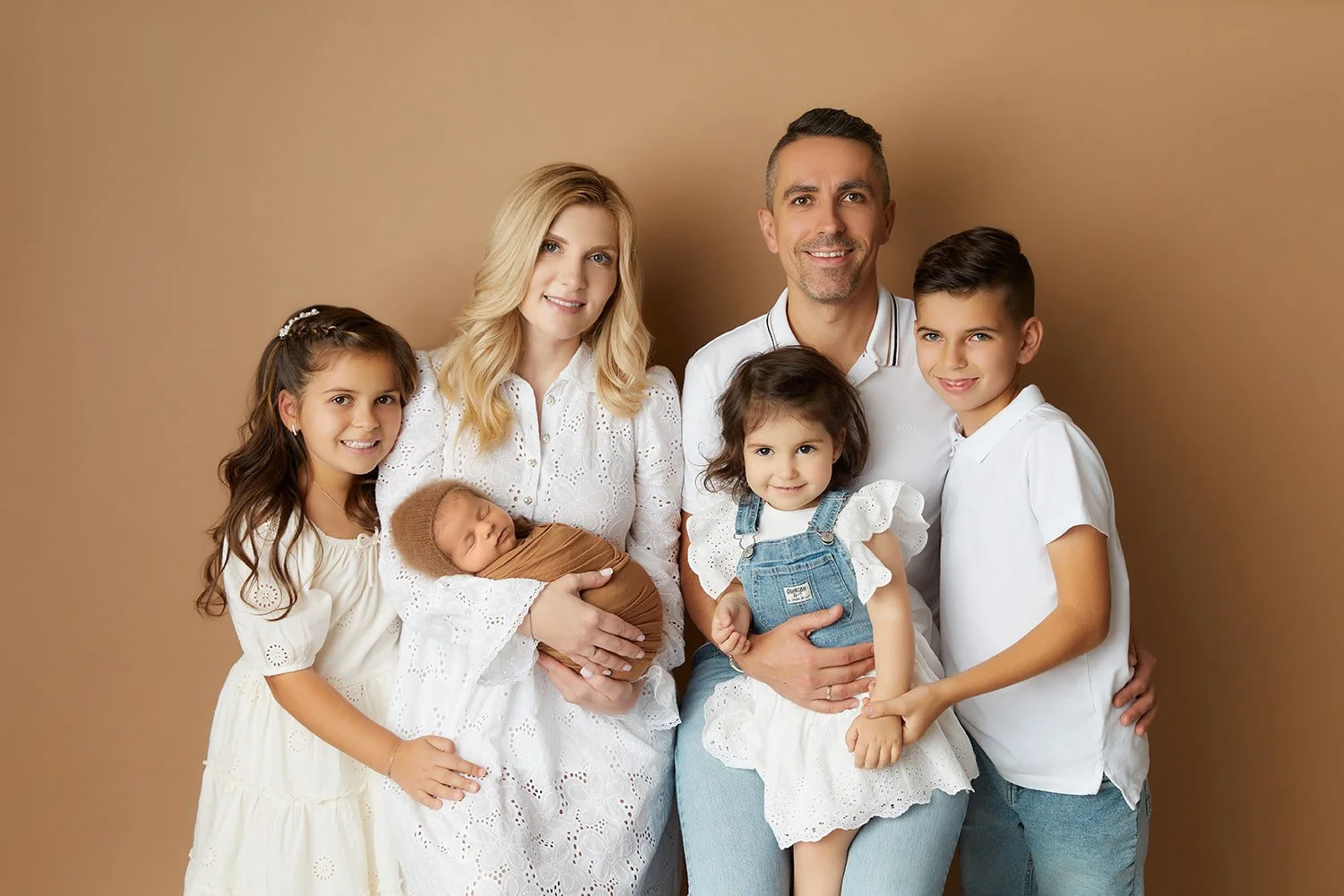
As two photographers who shoot families both in studio and on location, we’ve spent years watching parents and kids grow together through our lenses. We know how much these photos come to mean and how the smallest detail can hold the biggest memory.
And yes, photographing kids is its own adventure, especially outdoors. Little ones come with their own timing, their own weather systems, and their own ideas about being photographed. The instinct is often to ask them to perform, to hold still, to smile on cue. But the best family portraits happen when the pressure drops and everyone gets permission to relax. Children aren’t actors, they’re honest. If the camera asks for connection instead of performance, kids respond with the kind of candid magic you can’t manufacture.
Perfection isn’t the goal, feeling is. Go after the authentic shots, the tight cuddle when a toddler gets shy, the silly face a sibling saves just for their brother, the way a spouse looks at the rest of the family when they think no one’s watching. The camera sees those tiny in-between moments, and that’s where the treasure lives.
See our full Family Maternity Photography Course here.
The Golden-Hour Walk for Natural, Candid Family Photos
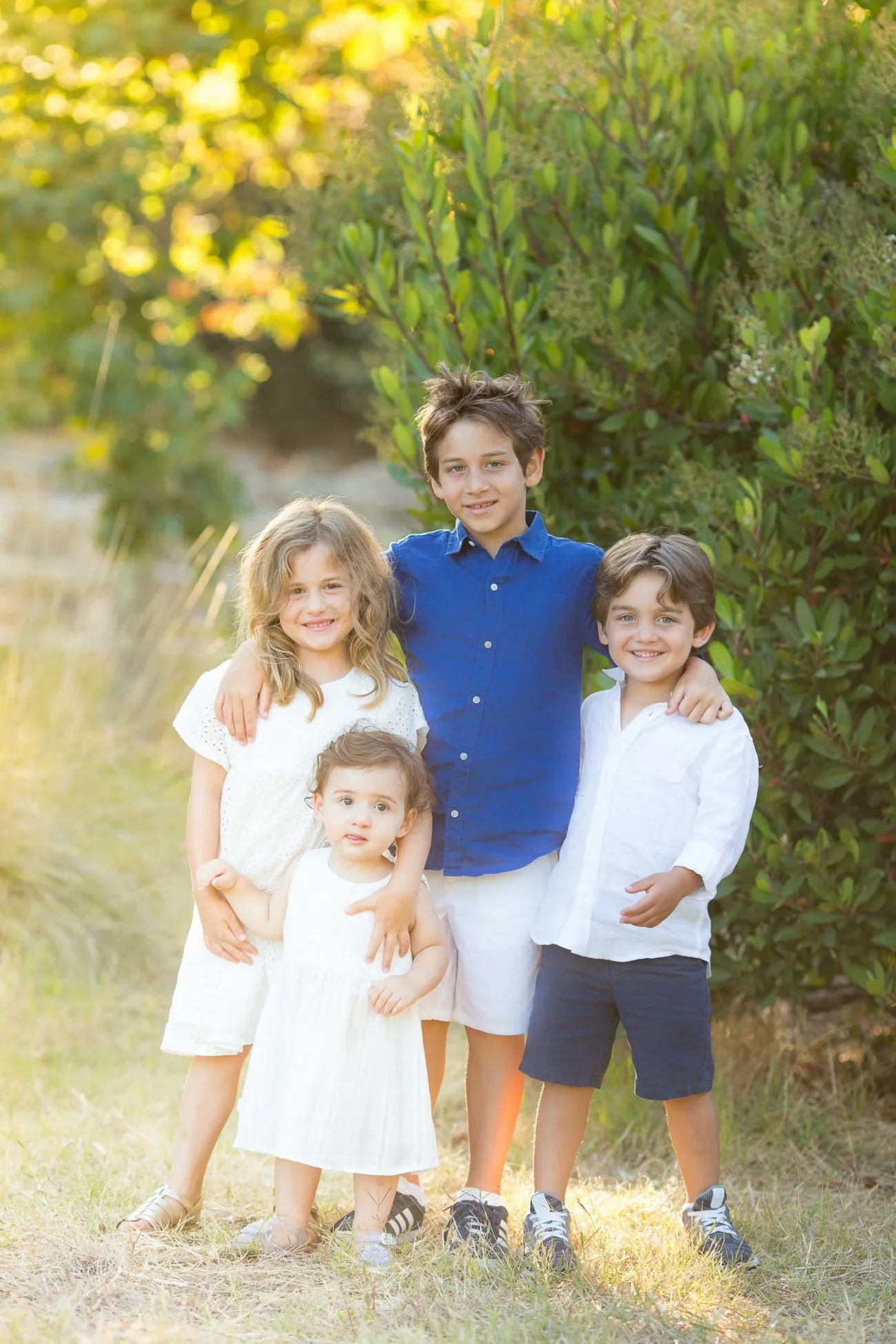
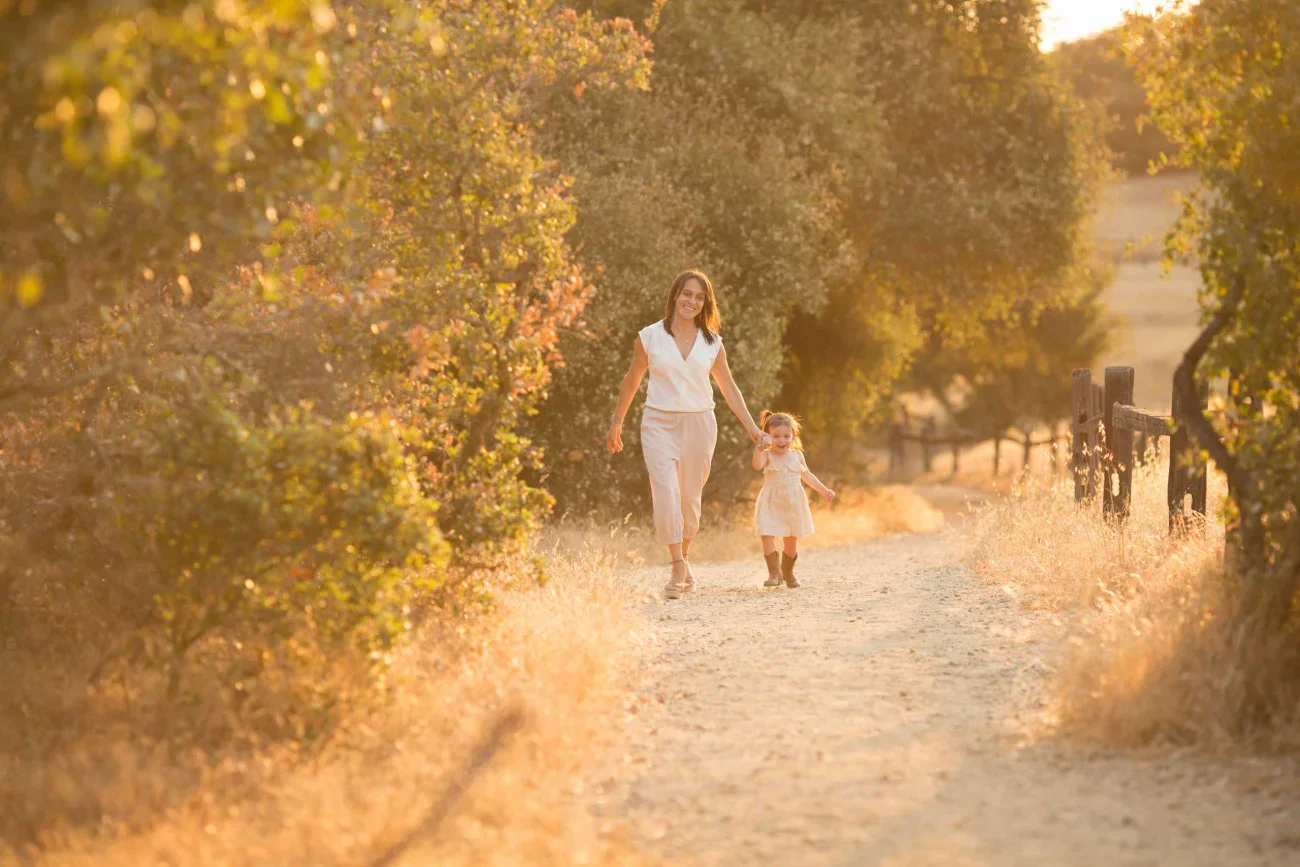
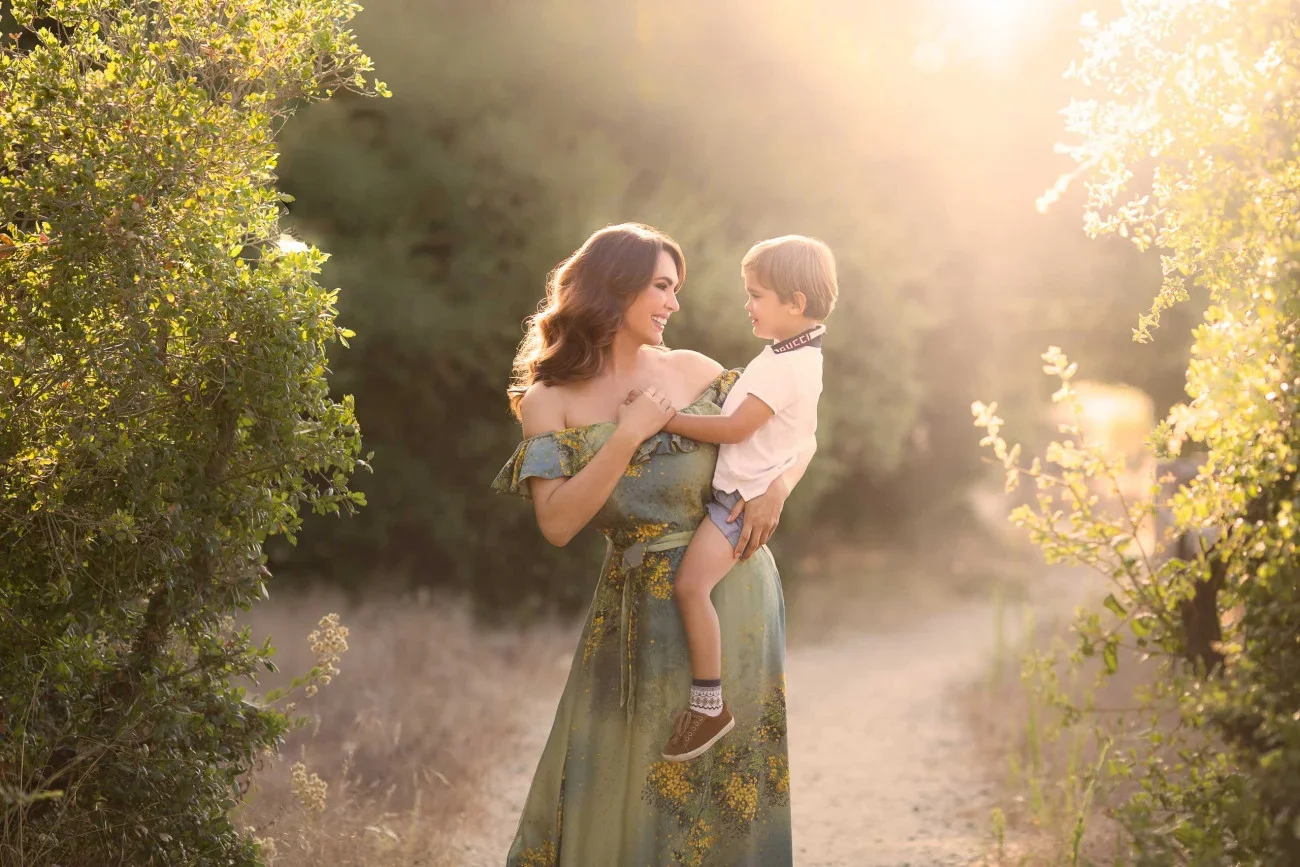
If your shooting outdoors, start simple, build the plan around motion. Walking gives small bodies a job, and it creates a steady flow of moments to capture without anyone freezing up. Let them move around, you'll see arms start swinging, hands find each other naturally, and smiles appear without anyone chanting cheese. A gentle walk also helps shy kiddos who need time to warm up. Keep a light conversation going, what’s for dinner, which playground wins, who has the fastest tickle fingers.
Use swinging as a secret weapon for toddlers who think standing still is an unrealistic request. Have parents hold hands with their child and take three easy steps, then give a soft swing on three. It’s safe, short, and delivers a burst of pure joy that photographs beautifully. Watch for the split second after the swing when the giggle lingers and hair settles, that’s often the hero frame.
Solve the “What do I do with my hands?” puzzle for adults by keeping everyone in motion. Walking invites natural gestures, holding a spouse’s hand, tucking a strand of hair, adjusting a dress, lifting a child for a cuddle. Posture becomes fluid instead of posed, which makes the entire family look comfortable together. For classic family portraits where everyone’s looking at the camera, take them in the middle of motion, the transition keeps faces soft and avoids stiff, locked knees.

Choosing Location and Time of day
Lean into golden hour. About an hour before sunset, the sun sits low enough to skim across hair and shoulders, giving a gentle rim light that makes faces glow. Place the sun behind the family and slightly to one side. That angle builds depth in hair highlights without pouring light straight into little eyes. If planning a family session in open fields, pick a path where trees or tall grasses filter the light. Aim for a soft halo, not a blinding spotlight.
If the sun still feels strong, tuck the family just inside open shade, like the edge of a grove, corner of a building, or the shadow line of a hill, then angle everyone toward the brightest slice of sky so eyes catch a clean sparkle. That tiny catchlight can turn a good portrait into a great one. If a kiddo squints easily, tell them to look at each other vs look at me. Side glances are easier on the eyes and often more authentic.
Keep a tiny collapsible umbrella in the bag for surprise drizzle and a neutral scrim for harsh light. If wind picks up, position the tallest adult as a wind break and lean the rest of the family into that shoulder. A little wind is a gift for hair movement and fabric flow, too much, and simply rotate so it hits from behind, giving motion without tears. When the sky goes overcast, enjoy it, clouds are nature’s softbox. On gray days, nudge white balance slightly warmer to keep skin tones lively and avoid a flat, blue tone.
Clothing that Flows Beautifully
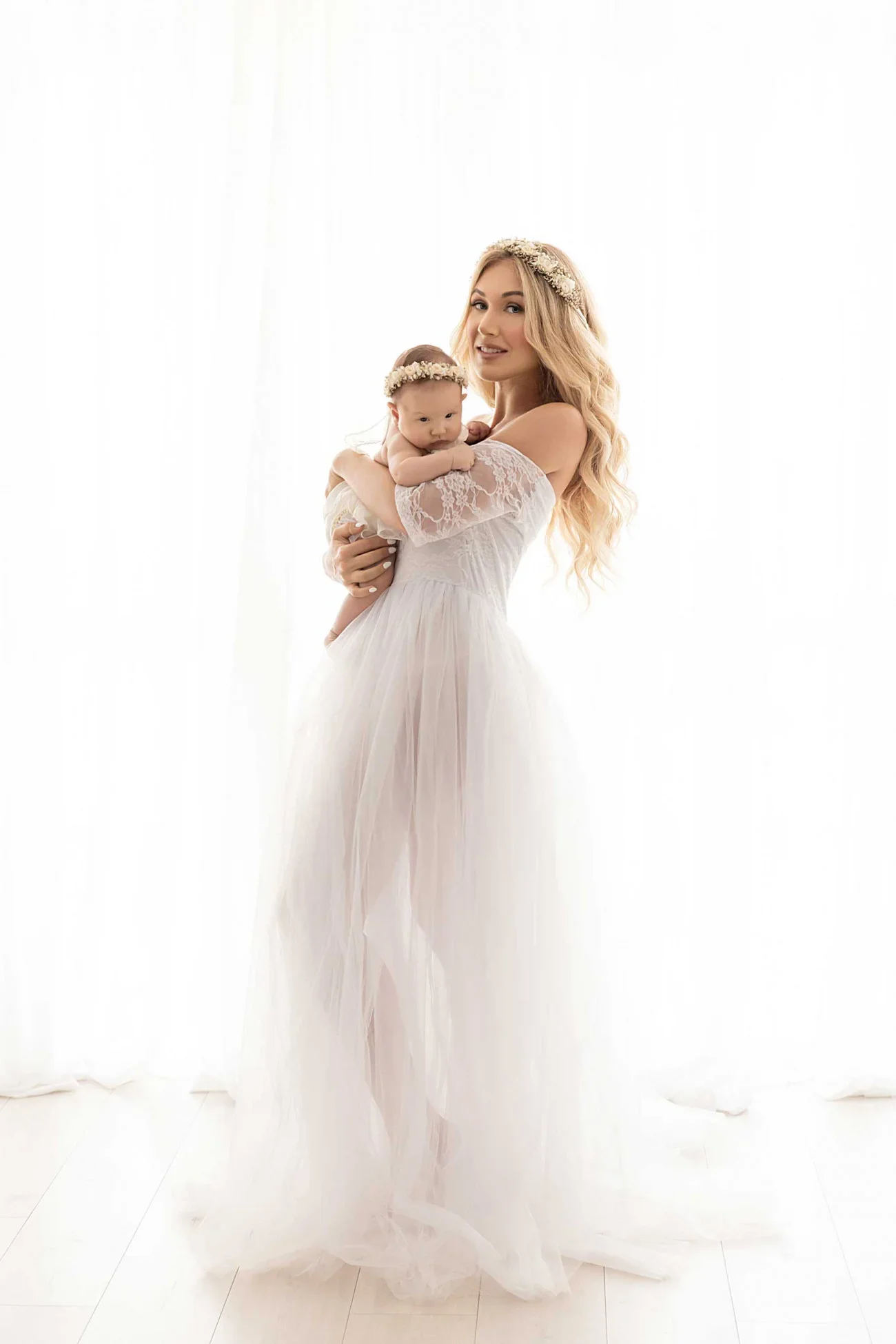
Linen and cotton in soft, breathable weaves are perfect for a golden-hour walk. Linen breathes, catches light, and its tiny wrinkles add texture that reads beautifully. Cotton voile and gauzy layers move with the breeze and add depth without bulk. If wondering what to wear to your family session, think palette first, creams, beige, soft white, sage green, gentle brown, and a whisper of pink or florals for a feminine touch. If bright colors make you happy, reserve them for a single accent so they don’t cast color onto skin. Hot magenta next to a child’s cheek can bounce a pink tone that’s tough to correct.
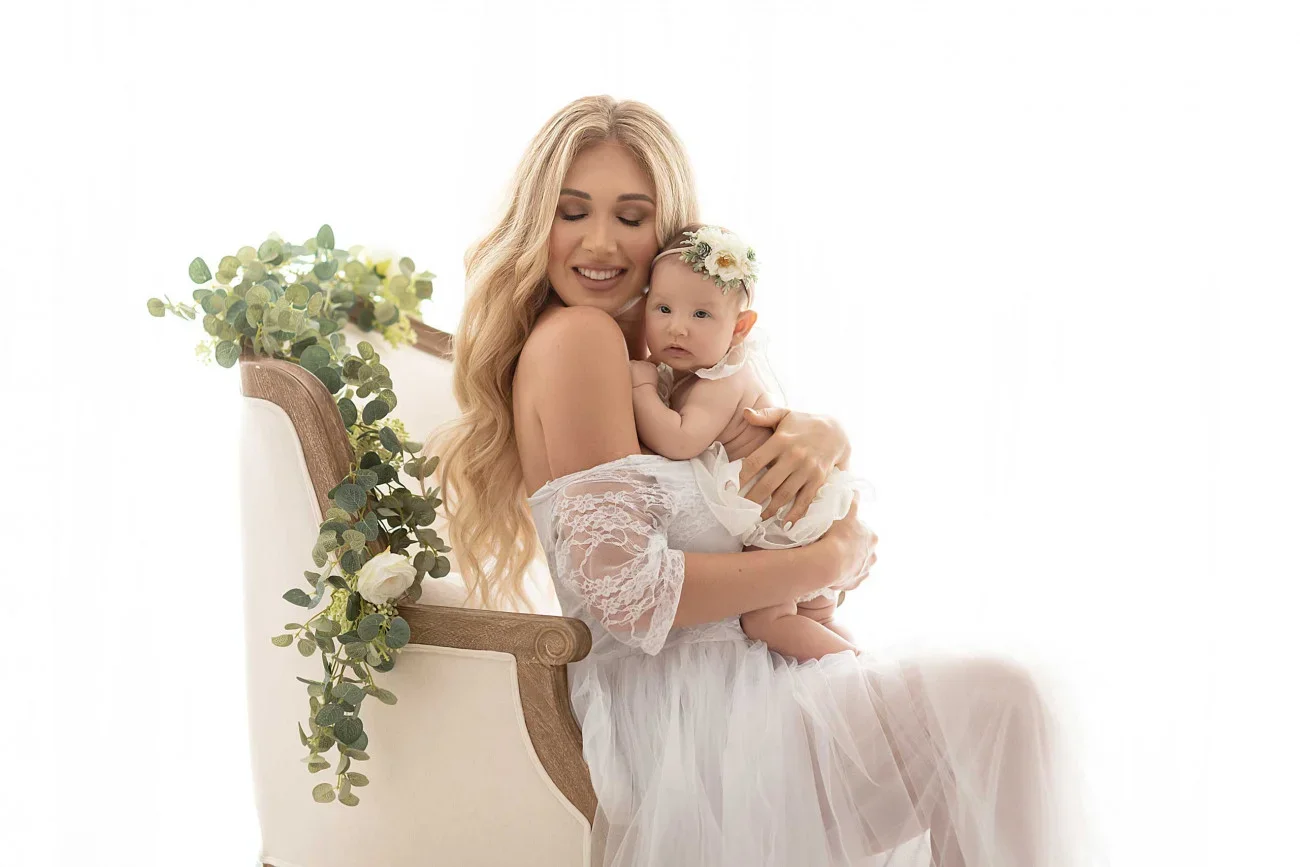
Fit matters. Dresses should skim and move, shirts should fit well through the shoulders so seams don’t pull when lifting a child. Skip heavy logos or large, high-contrast patterns that compete with faces. Lace can be lovely, especially in sleeves, but make sure it isn’t scratchy, itchy arms lead to rubbing, and rubbing leads to red marks. If fresh tan lines are in play, choose dresses or tops that minimize the contrast, or style a lightweight cardigan to soften the transition. Shoes can be simple sandals, or go barefoot if the location allows, bare feet change body language in the best way and help everyone relax.
A quick color theory tip for photographers: complementary accents energize a frame, think a muted green dress against a tawny field, or a soft pink bow next to a warm brown shirt. Analogous palettes (neighboring colors on the wheel) feel calm and cohesive. If skin tones skew cool, lean warmer with wardrobe, if skin has more tan or golden notes, avoid mustard or overly yellow greens that can muddy the look.
For step-by-step direction on movement-based posing that keeps families relaxed, the Family Maternity Photography Course inside ROXAMINA Academy walks through the process in detail.
Bedtime Snuggles at Home (Lifestyle Session)
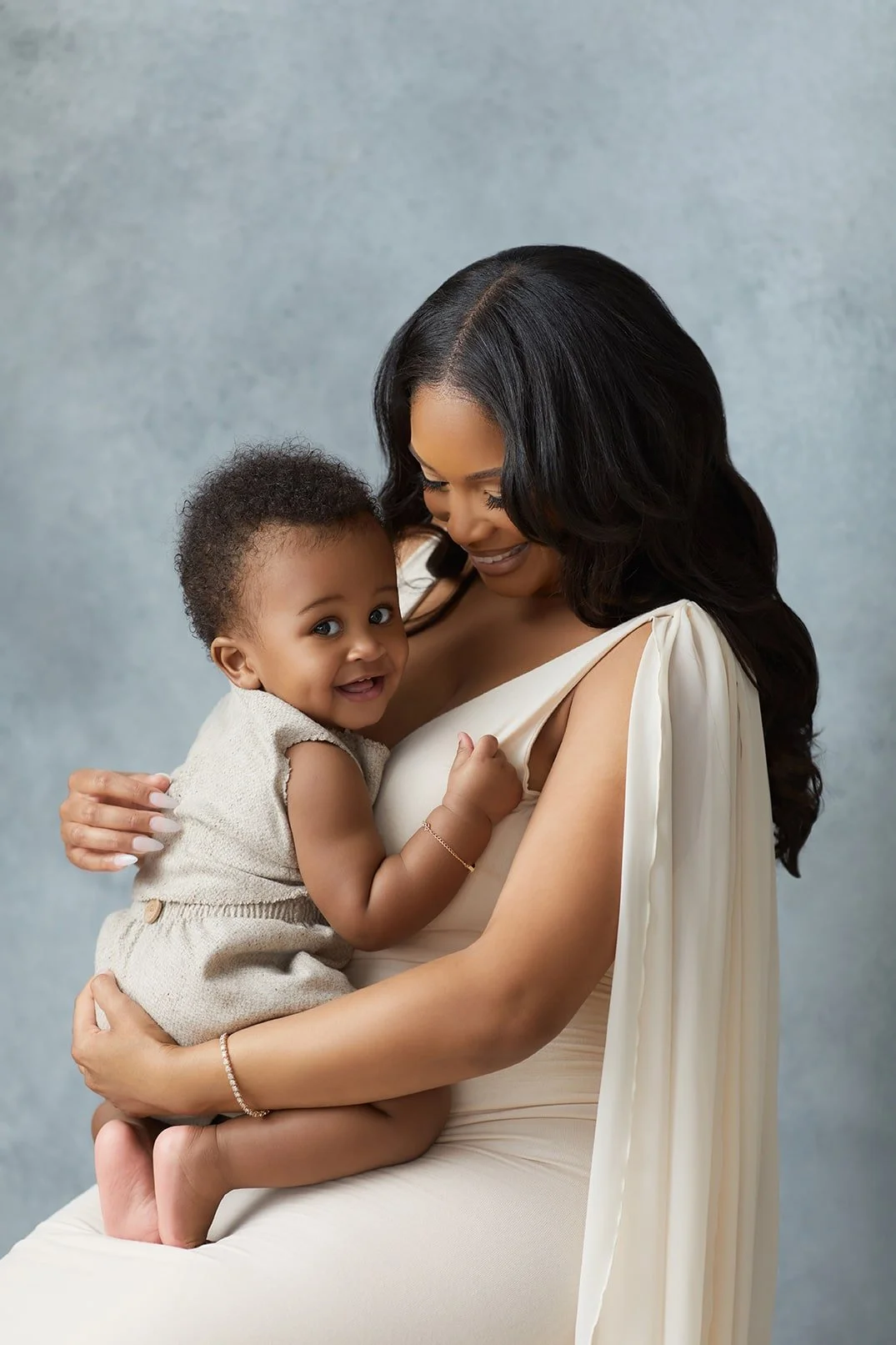
Lean on the ritual that already calms everyone, bedtime. Pajamas, a favorite book, a soft voice, a cuddle, that’s a built-in story. Instead of staging poses, shape the type of moment that happens every night. Children settle easily when the scene feels familiar and safe.
Keep the bedtime window consistent with the normal time of day. A tired child pushed too late won’t power through for photos, and shouldn’t have to. Schedule right after bath so hair is clean and faces are fresh, then slide into the photo session with zero rush. Pick a loved book that isn’t overly interactive, so connection isn’t constantly broken by flaps and pop-ups. Watch hands as much as faces, a small hand anchored on a sleeve, a thumb tucked under a page, a gentle pat on a sibling’s leg. Those gestures tell the story better than any big smile.
Window-light technique
Use window light for soft, forgiving skin tones. Position the bed so the headboard is either parallel or at a slight angle to the window. If the window is on camera left, seat the family facing slightly toward it so light falls across cheeks and into eyes. Aim for the near cheek lit and the far cheek just a touch darker, classic portrait balance that adds dimension without feeling staged. If the window is tall and the bed low, place a parent closer to the window with children layered in, so everyone catches the feathered light.
Keep overhead lights off to avoid mixed color temperatures. If the room is dim, raise ISO rather than switching on a lamp that adds an orange cast to skin. For a clean catchlight, place a light, neutral blanket or pillow opposite the window to bounce fill into shadowed sides of faces. No need for a reflector, a folded white duvet or beige throw does the job and keeps the lifestyle feel.
Wardrobe that feels like home
Choose wardrobe that looks and feels comfortable. Think soft loungewear, cotton tees, linen pajama sets, or a simple knit nightgown. Neutral bedding in white, beige, or gentle tan photographs beautifully and flatters skin. Add depth with fabric textures: a cable knit throw at the foot, a waffle blanket across laps, a tiny lace trim on a sleeve. These details keep monochrome scenes from falling flat.
A Picnic Playdate for Relaxed Family Photography
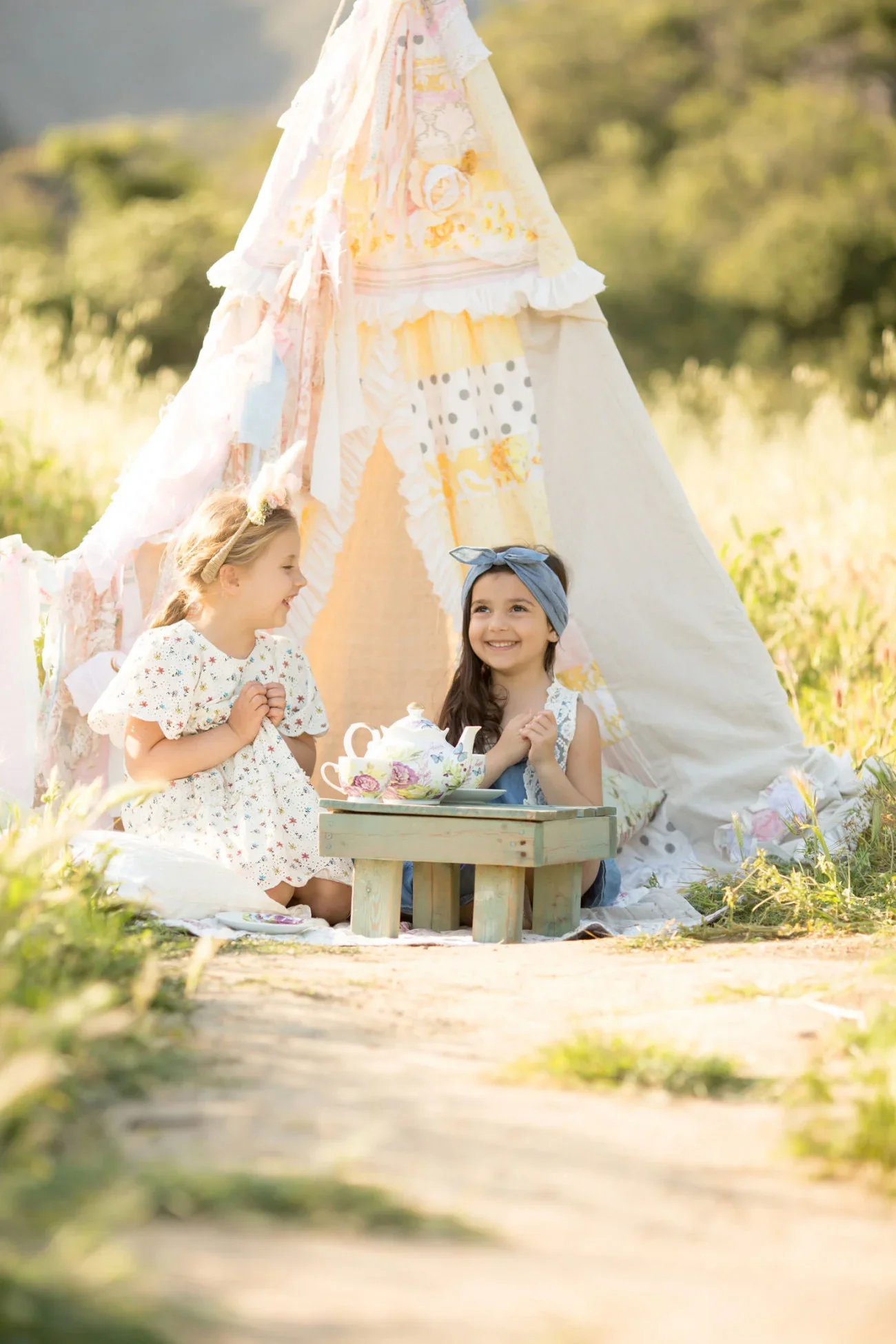
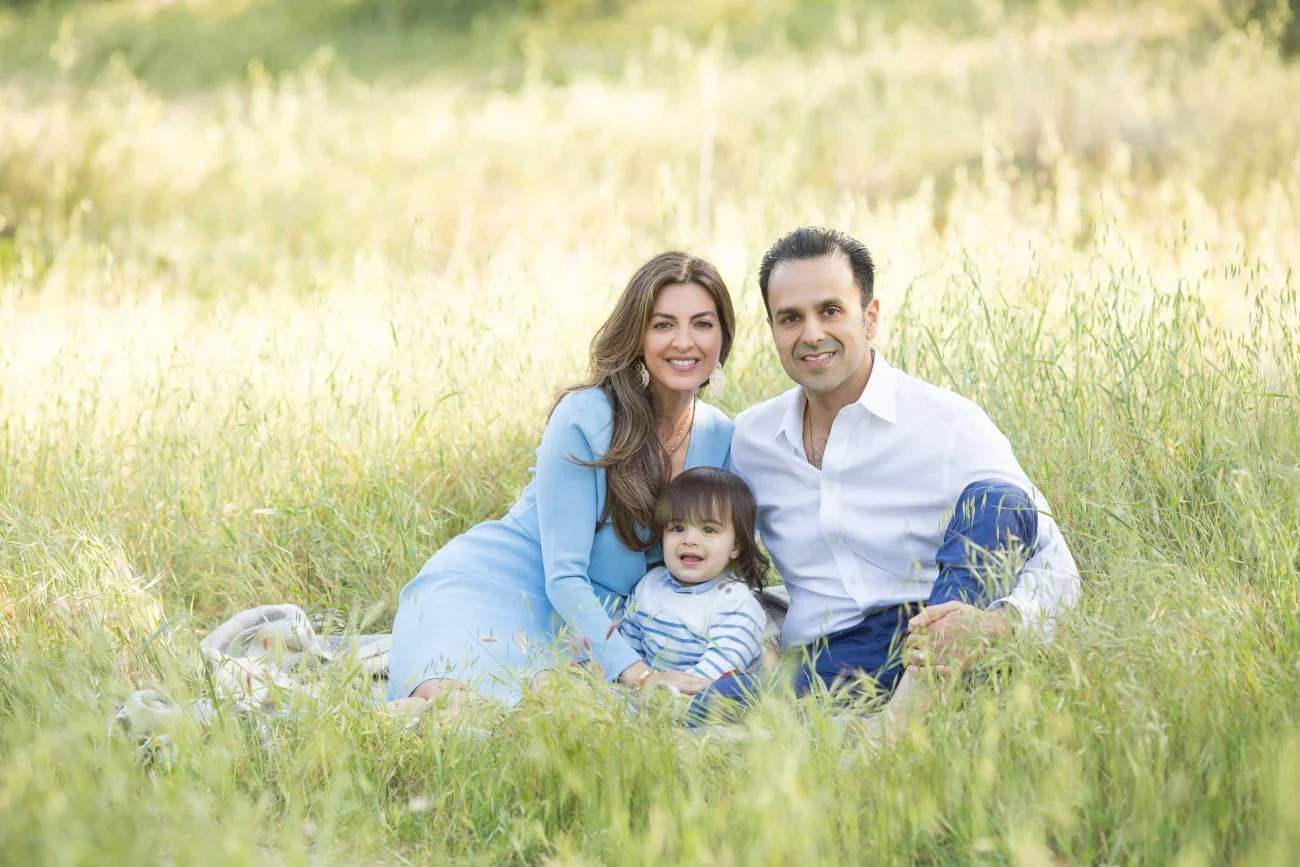
Light-colored, dry snacks photograph best, think apple slices, crackers, banana coins, mini croissants. Keep drinks clear, simple water cups beat colored beverages. Skip bright red, neon, or chocolate-heavy treats, red frosting and chocolate smear, stain teeth, and cast odd tones on lips in close-ups. If a bold treat is a must, save it for the end as a happy memory, not a mid-session mess. Pack wipes, and keep a soft, neutral cloth handy that won’t scratch faces or leave lint.
Blanket + basket styling
Think layers, not props. Start with a sturdy neutral blanket that won’t show every blade of green. Add a textured throw in cream or beige, maybe a subtle stripe, to define the seating area. A woven basket adds structure and gives little hands a job: open, explore, pass. If florals are your thing, keep them soft and small, tiny blooms on a dress or a sprig tucked into the basket handle. Large, high-contrast florals can compete with faces. Watch for color transfer; deep green grass can wet-stain pale fabrics, so tuck a folded linen layer under light dresses.
Mind the angle. Shooting directly overhead flattens everyone into the blanket, a kneeling angle at the edge, slightly above eye level, makes faces pop and lets textures add depth. If the sun is strong, rotate the blanket so backs face the light and shoot into the backlight. Hair glows, eyes stay comfortable, and shadows lift by angling everyone toward a bright patch of sky. When wind shows up, weigh corners of the throw with the basket and a book, practical and pretty.
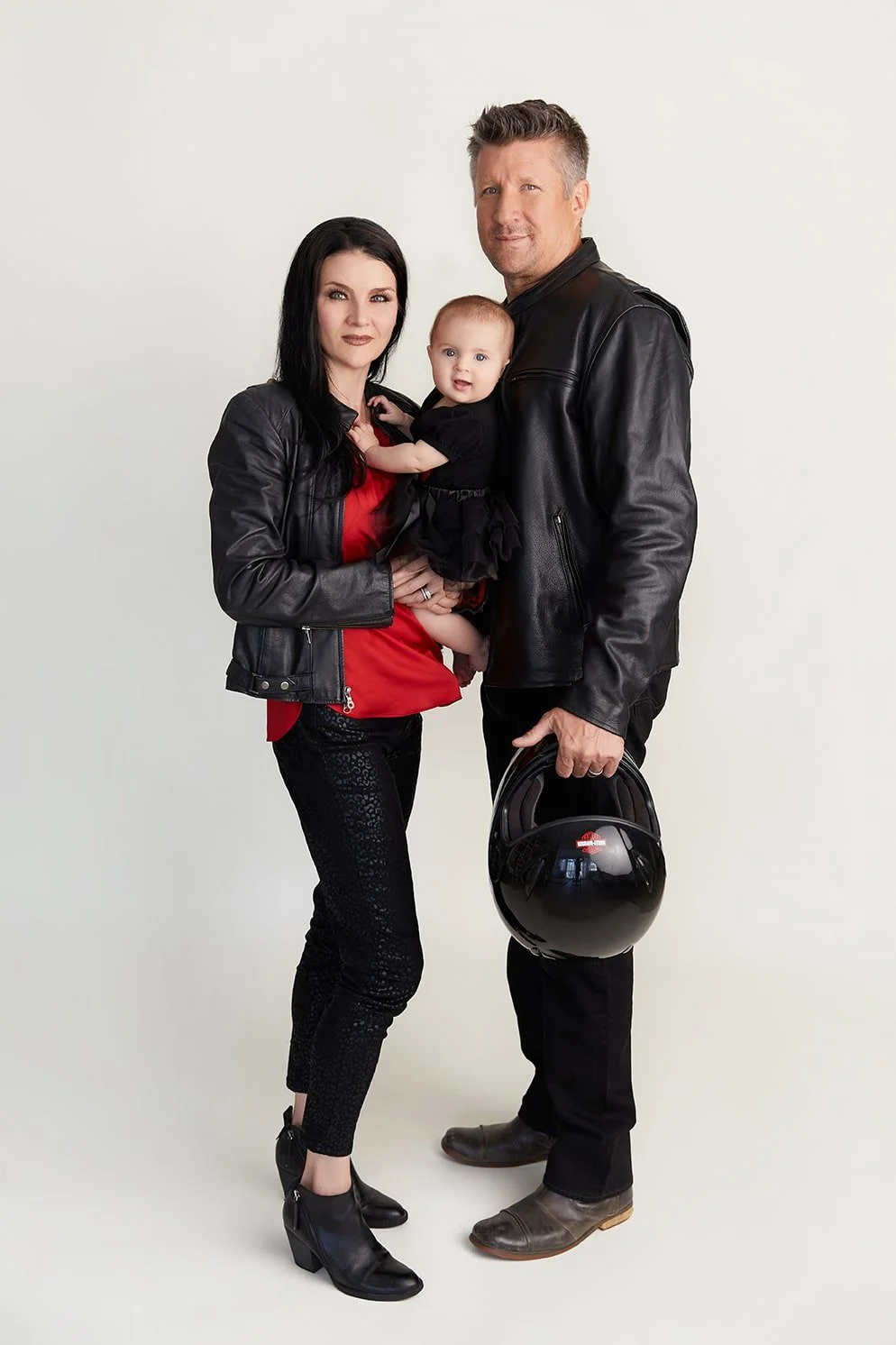
Downtown Stroll for Modern, Graphic Family Portraits
Lean into texture. Brick that’s weathered but clean, painted alleys with neutral tones, storefronts with simple lines, soft green vines against warm brown walls, these backgrounds add character without stealing the spotlight. Avoid heavy signage and busy reflections. Side streets one block off a main road often offer the perfect mix, interesting, quiet, and safe for quick group photos.
Use the city’s light to your advantage. Bright sidewalks and pale walls across the street act like giant reflectors, filling shadows with a soft lift. If a wall sits in direct sun, step back and shoot from the opposite side so buildings even out contrast. Doorways create natural frames, stair rails lead the eye to faces, and narrow alleys add depth you won’t find in a field.
Clothing that works in structured environments
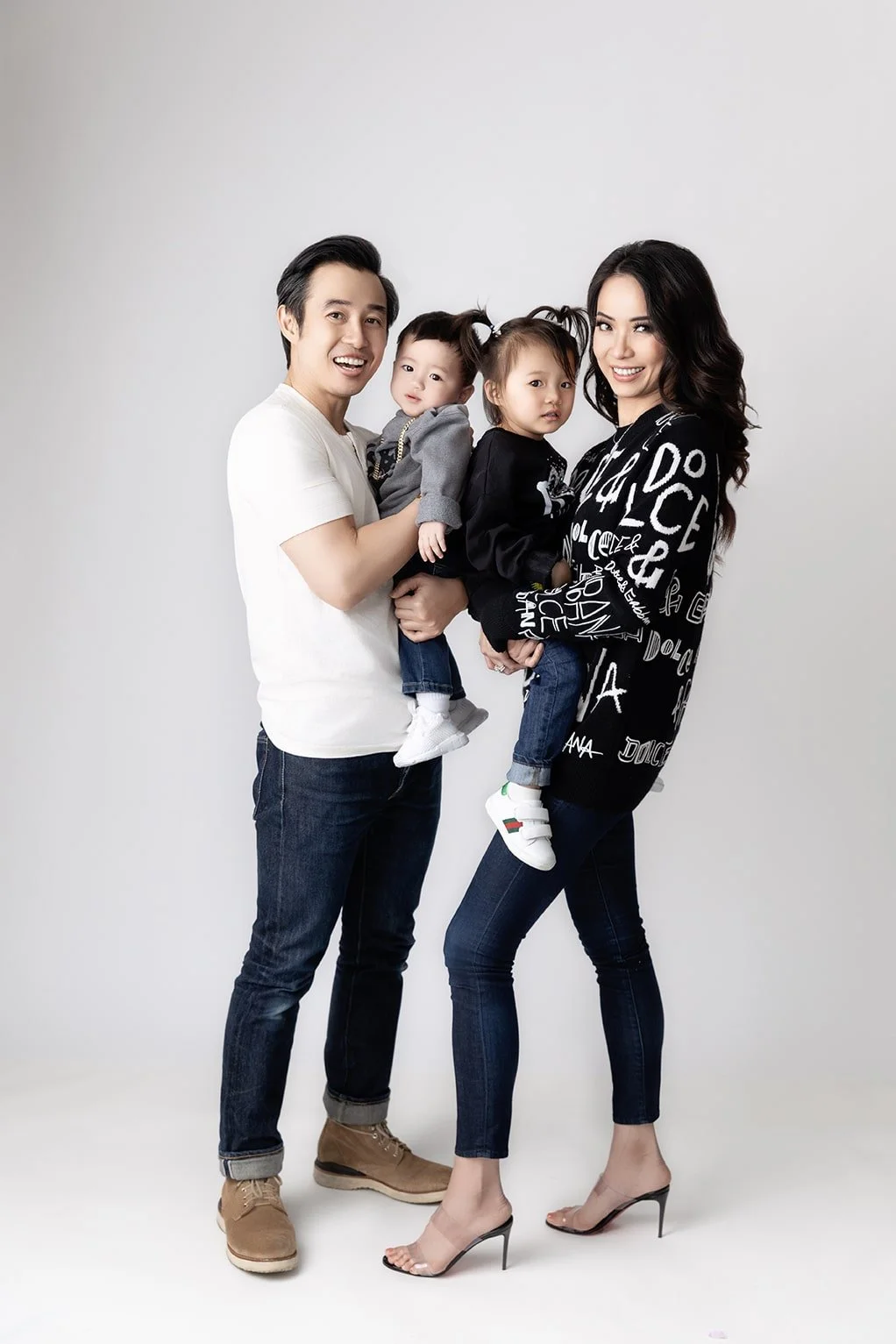
Urban scenes pair beautifully with denim, solids, structured dresses, tailored coats, and simple layers. Aim for one statement piece per family, perhaps a bold single-tone dress or a beautiful coat, supported by quieter neutrals. Clean sneakers or ankle boots look intentional and help posture. Keep hems tailored, pooling fabric over shoes reads sloppy in portraits. Accessories should be minimal and purposeful, one watch, one simple necklace, a single hair bow. A pocket brush, small lint roller, and light-hold spray make quick touch-ups easy between shots.
From a color theory perspective, cities skew cool, concrete, slate, steel. Balance with warmer clothing tones, camel, cocoa, cream, even a soft pink to warm gray scenes. If brick dominates, skip reds that blend in. A cool white dress with a beige trench adds depth without fighting the wall. For mixed skin tones, warm neutrals tend to flatter everyone and keep the palette cohesive.

Coastal Morning at the Beach
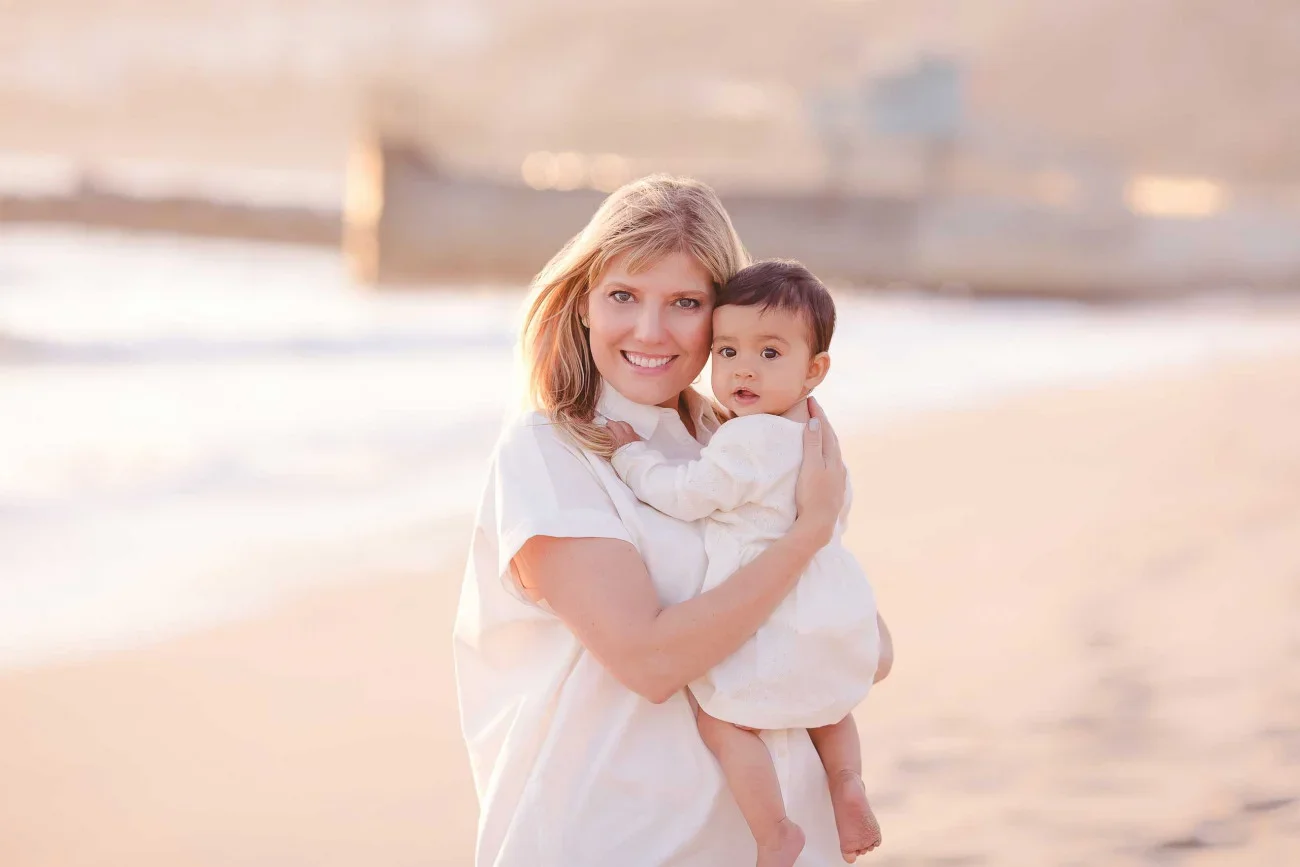
Start early. Coastal mornings gift a calm, steady rhythm that suits families and cameras equally well. Waves are gentler, the breeze is lighter, and the beach is quieter, which means fewer distractions for kiddos and fewer footprints to dodge in wide shots. Soft, angled light kisses skin without squints, and cooler air keeps everyone happier longer. Parking is easier, toddlers are fresh after breakfast, and the whole session moves at a pace that lets genuine connection unfold. The ocean acts like a giant sound machine, too, its hush lowers voices and nerves, which is a tiny miracle if the family photo session has a shy child or a spouse who would rather not perform.
Plan around tides and time of day if possible. Lower tide leaves reflective wet sand for those magical mirror images, higher tide shortens the safe play zone, so keep the group closer to the dry line. When a breeze picks up, turn backs to the wind so hair flows behind, not across eyes. If the sun rises bright and fast, position everyone with the sun slightly behind and off to one side. Faces stay relaxed, highlights glow along hair, and the camera captures all that sparkle without the squint.
Dress the beach in its own palette. Beige, tan, soft blue, warm white, and stone gray sit naturally against sand and sea. Gauzy dresses catch the breeze and add movement you can feel. Linen shirts roll at the sleeves and look better with a little rumple. Keep logos away from the shoreline bold text and graphics fight the horizon line and pull attention from faces.
Think about fabric textures that add depth without heaviness like fine knit cardigans, cotton voile layers, a touch of lace on a sleeve. On backlit mornings, sheerness increases, confirm opacity in bright light to avoid surprises. Sand finds hems, so choose lengths that won’t trip little legs.
Going barefoot instantly softens posture and invites play. For makeup, keep it fresh and dewy, powder sparingly to avoid a flat look in sea air. And from a color theory angle, pair cool ocean blues with warm neutrals to keep faces lively. A soft blue dress next to a camel cardigan, a sand-colored linen shirt beside a white sundress, they harmonize without blending into the horizon. Metallics can be lovely if subtle, a thin gold necklace warms cool light, anything chunky risks competing with the clean coastal frame.
In-Studio Minimalism for Clean, Timeless Family Portraits
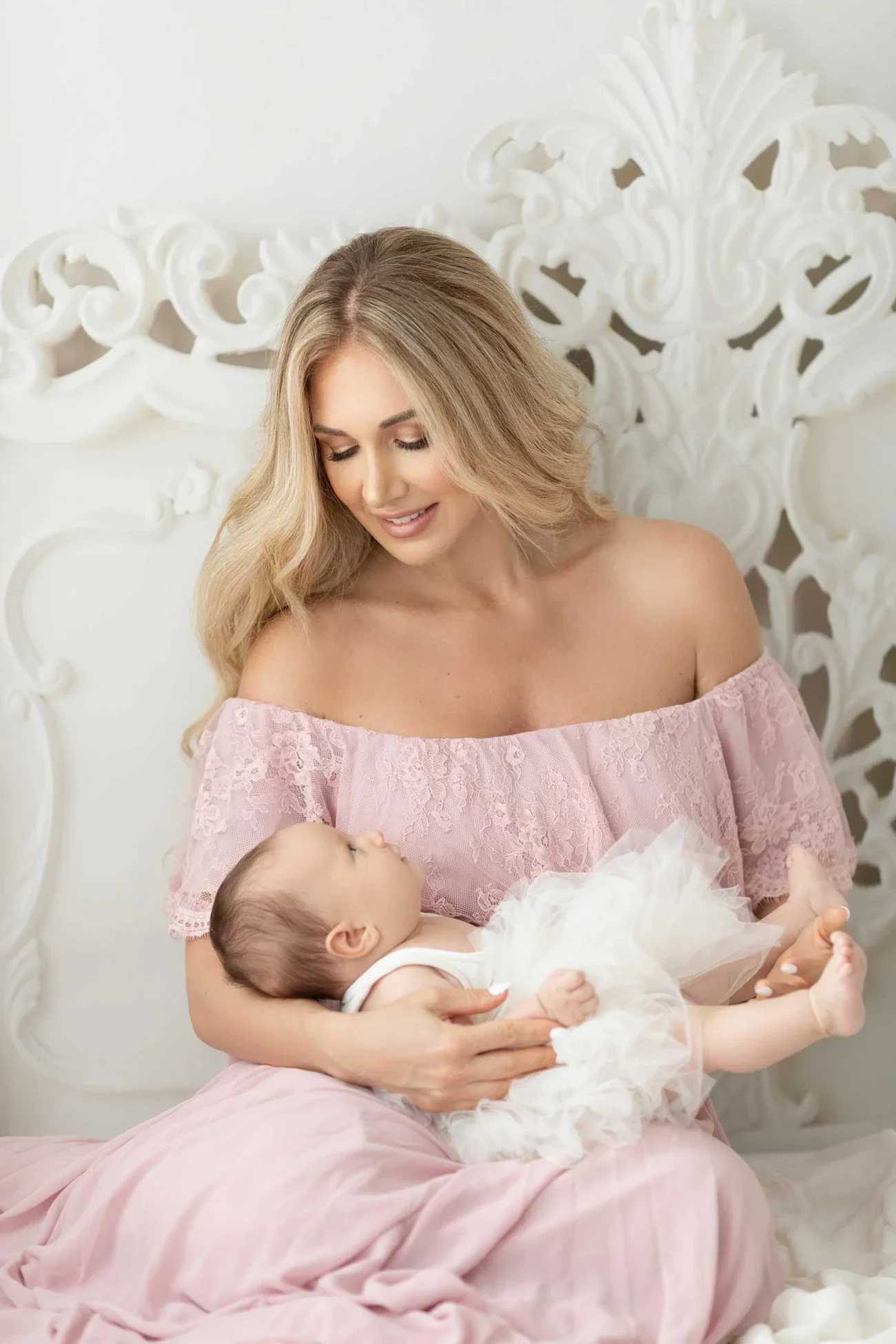
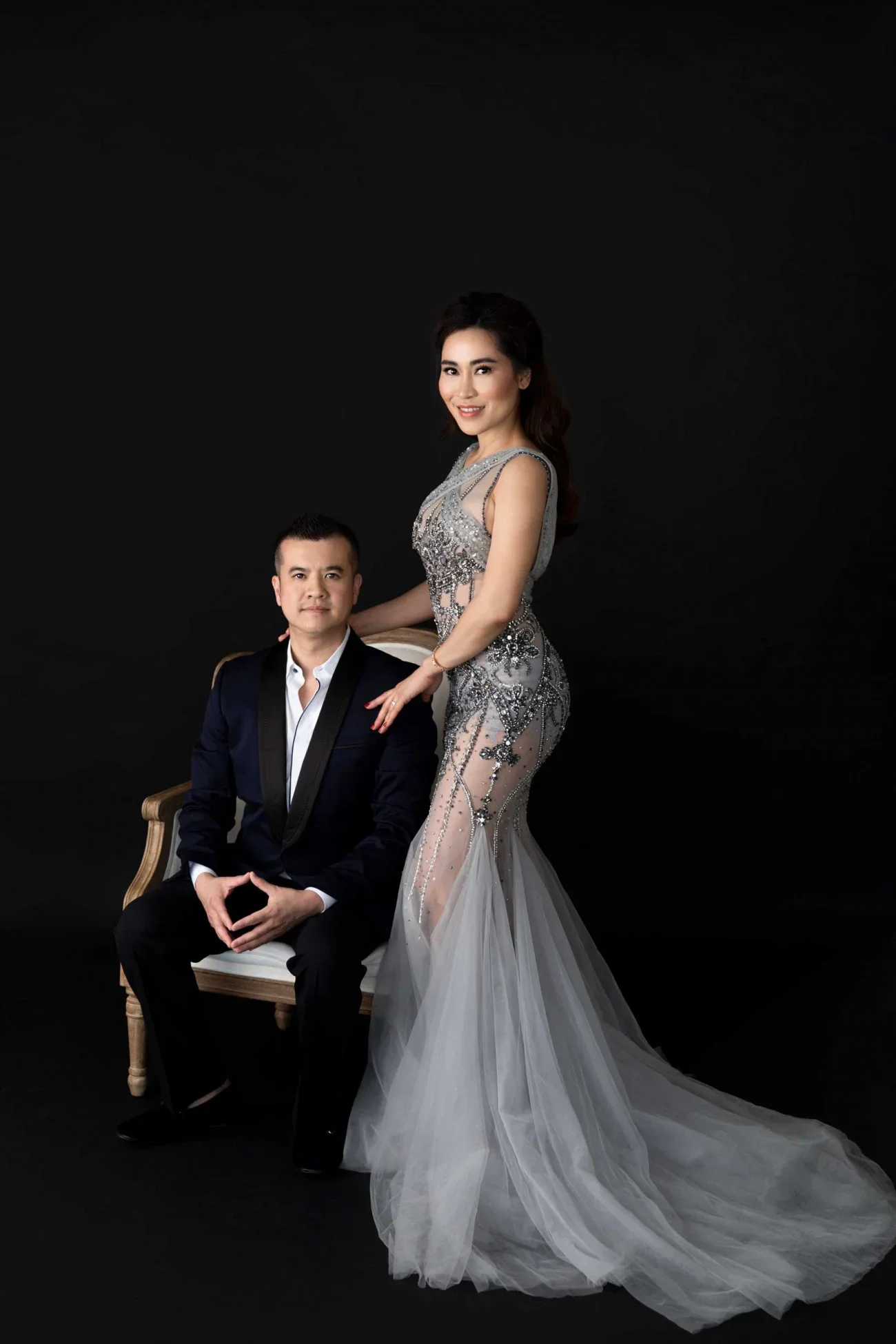
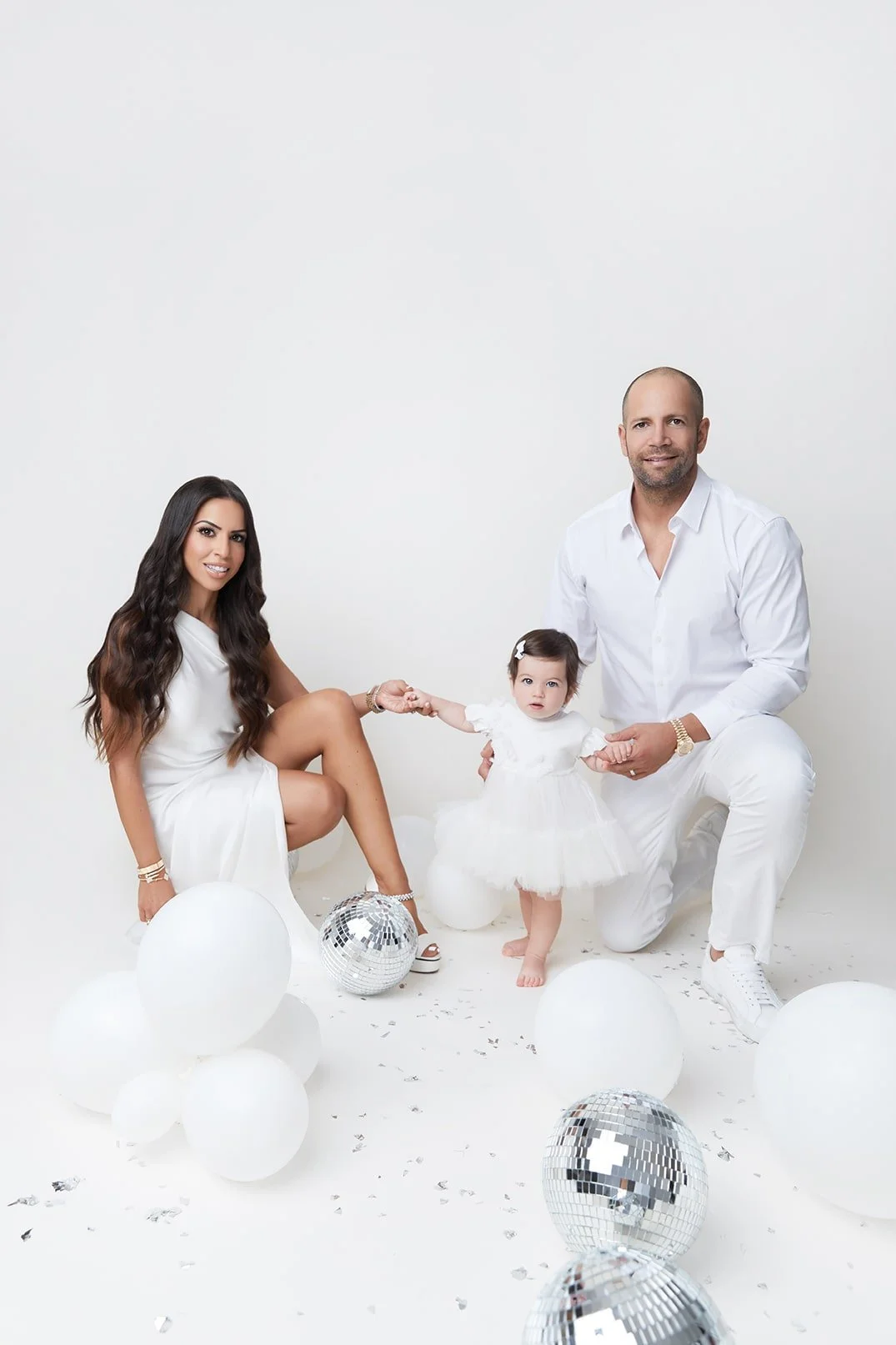
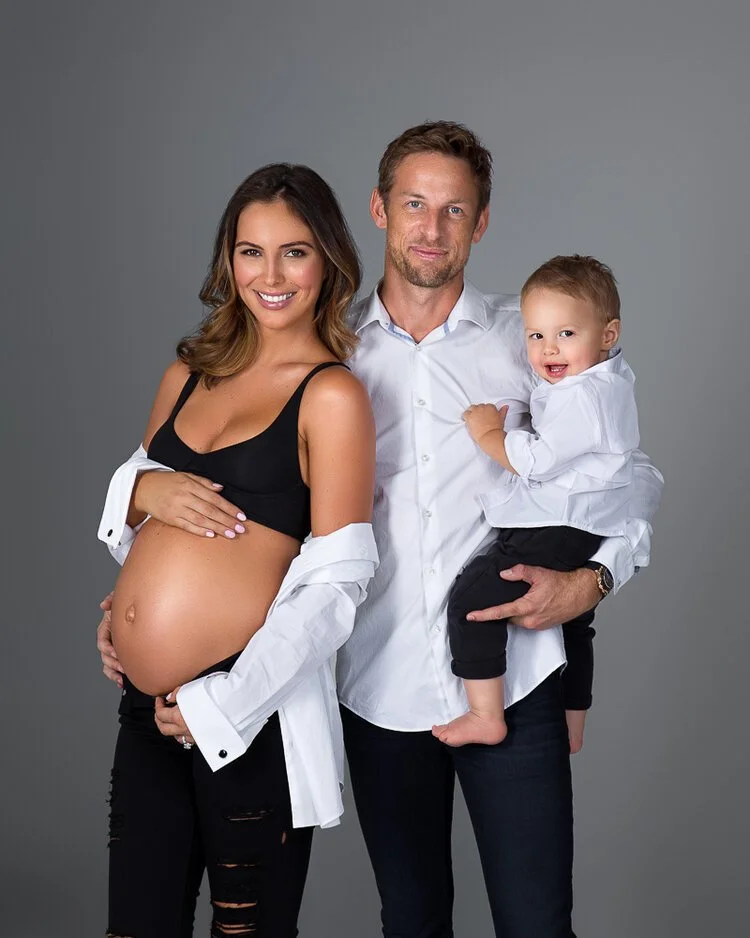
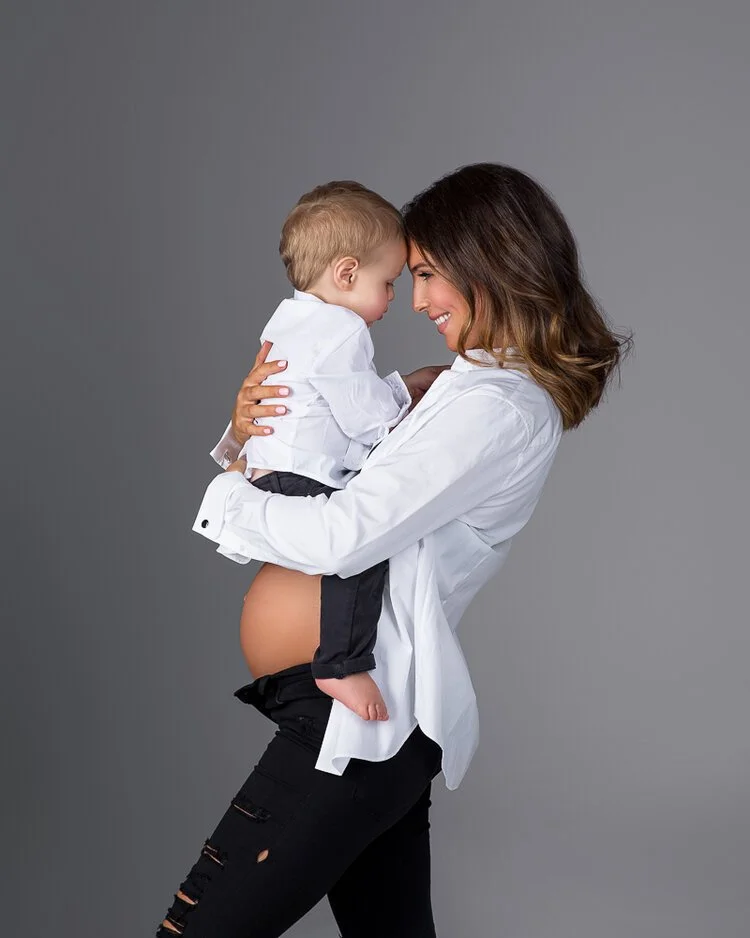
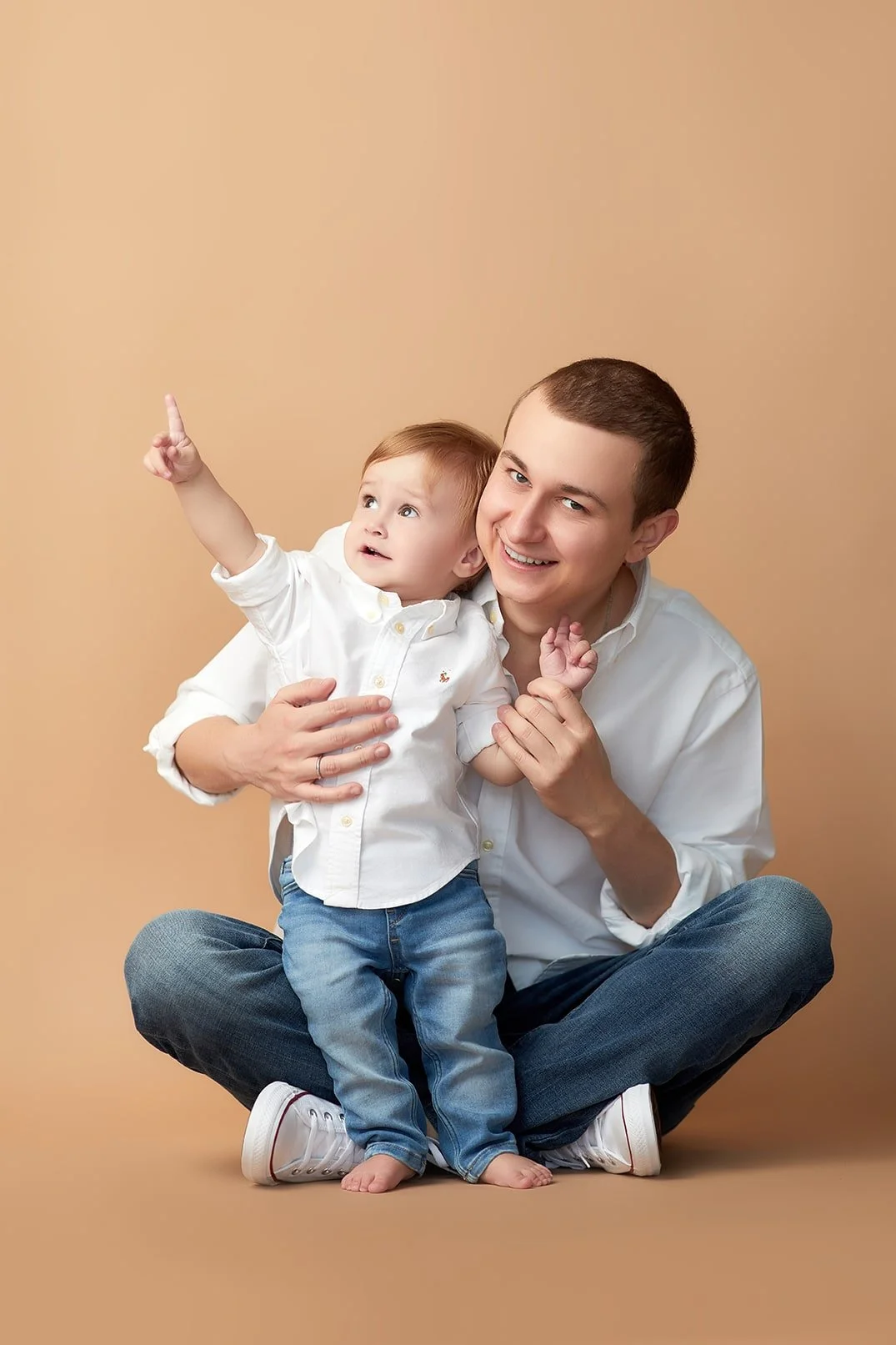
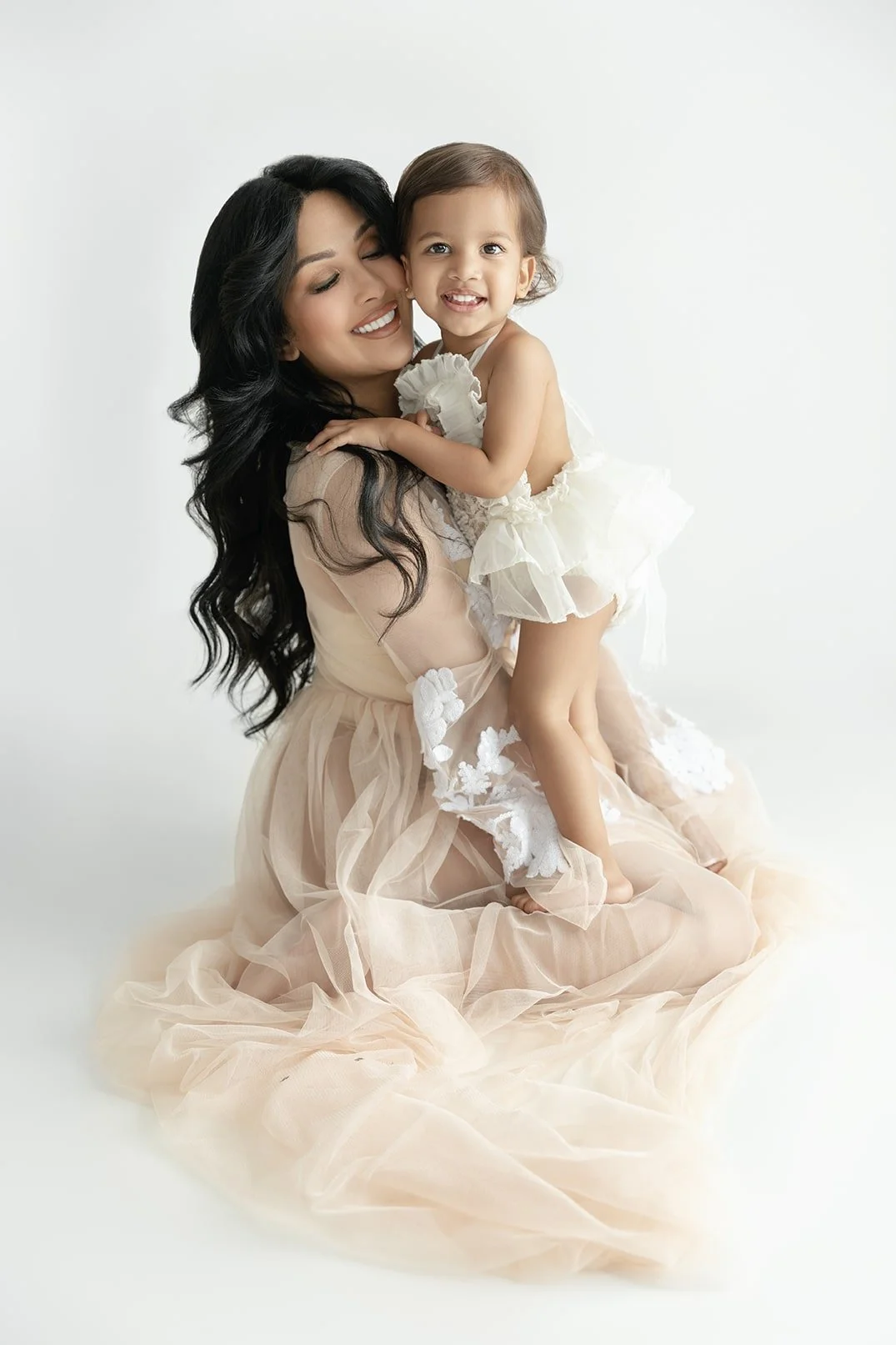
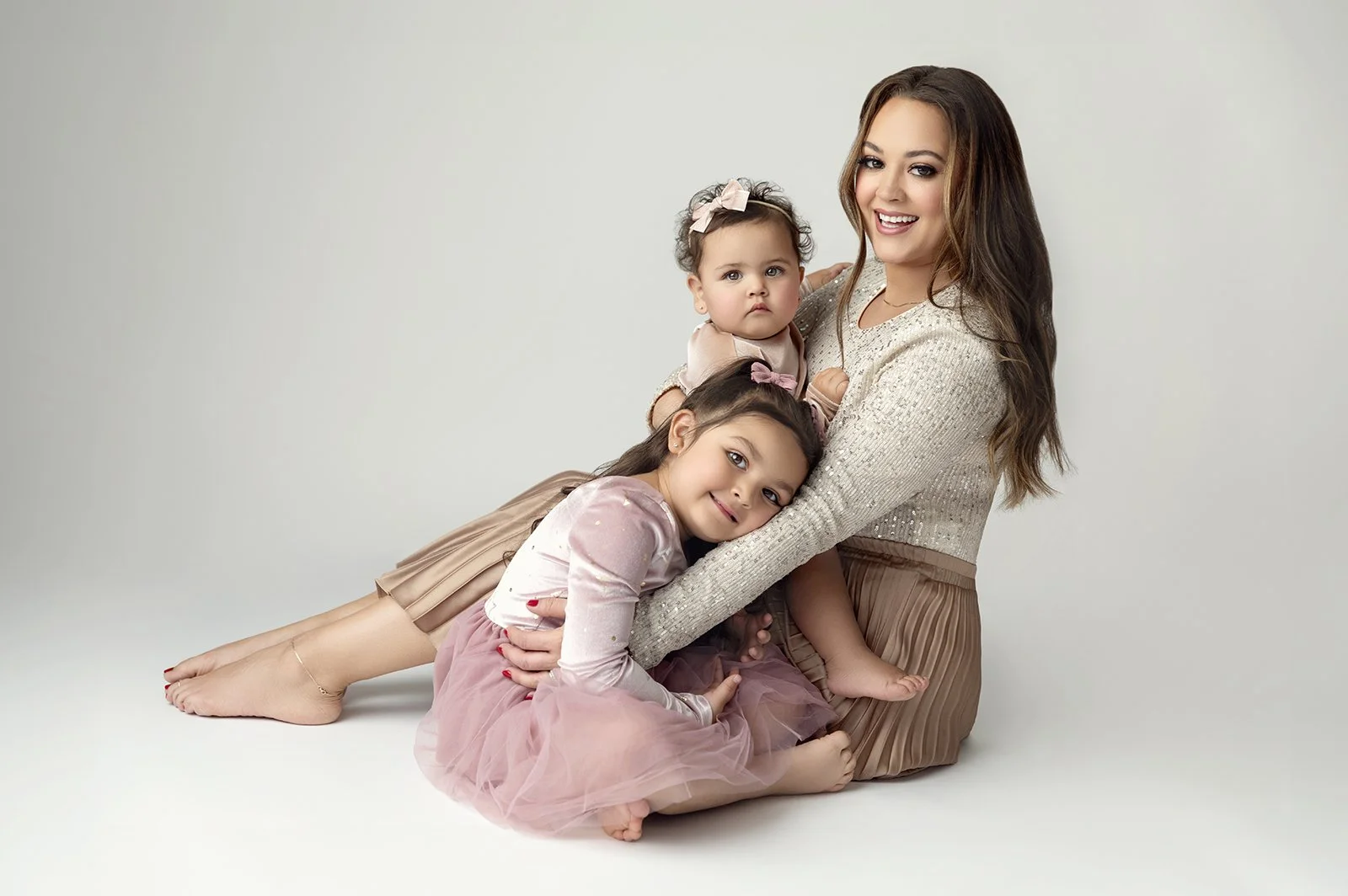
Strip the scene to its essentials and let expression carry the frame. Minimal studio setups, one wall, one floor, one light direction, turn down the visual noise so connection reads loud and clear. Without a busy backdrop, you'll get classic family photography that ages gracefully and looks at home in any room.
Simplicity also calms nervous energy. Fewer props mean fewer choices, which means less decision fatigue for parents. A quiet set gives kids a predictable space to inhabit, and that predictability makes cooperation more likely. Keep lighting consistent and soft so kids aren’t startled when they turn their heads.
If a baby or newborn is part of the family photo session, warm the room, sanitize hands between changes, and work in short, phase-based windows, awake cuddle, brief solo, back to family, so comfort stays front and center.
Studio flow and baby comfort cues are outlined step-by-step inside our Full Newborn Shoot Day Course here.
Clothing Harmony
Aim for a gentle, cohesive wardrobe, creams, whites, greys, oatmeal, soft heather tones. Subtle texture, waffle knits, bouclé, ribbed cotton, adds dimension against a clean background. Fit is everything here; ill fitting outfits become the uninvited star on a minimal set. Choose pieces that fit you well through the shoulders and waist so hugs look natural and seated poses don’t bunch. Undergarments should disappear: seamless lines, nude tones that match skin, and slips under lightweight dresses to handle studio backlight.
Watch whites next to whites. White” ranges from cool optic to warm ivory, mixing too many shades can make one garment look dingy. Pick one white tone and let everything else orbit it with intention, ivory knits, stone greys, soft beige. If a parent worries about looking washed out in pale tones, add a subtle anchor like a warm belt or a soft grey cardigan. Avoid stiff collars or cuffs that fight hug, the studio thrives on cuddle shapes and layered arms.
Posing Families Close Together
Think closeness first, then composition. Build triangles and overlaps that feel like the way a family actually sits on the couch at home. Start with a strong anchor, often a seated parent, then layer children onto laps or shoulders and guide the other parent to wrap from behind. Hands are the story, show them. For standing portraits, bring the group tighter than feels natural, closeness reads as connection on camera.
Keep chins slightly lifted to avoid compression, and shift weight to back feet so posture stays tall. Rotate micro-angles to the light so faces carve gently, half a step can change everything. When space allows, invite a slow sway together. Motion finds softness without breaking the clean studio frame. For a sweet reset if energy spikes, invite the family to sit on the floor, knees touching, and breathe together for three counts. The exhale is often the frame.
Garden or Park Playtime
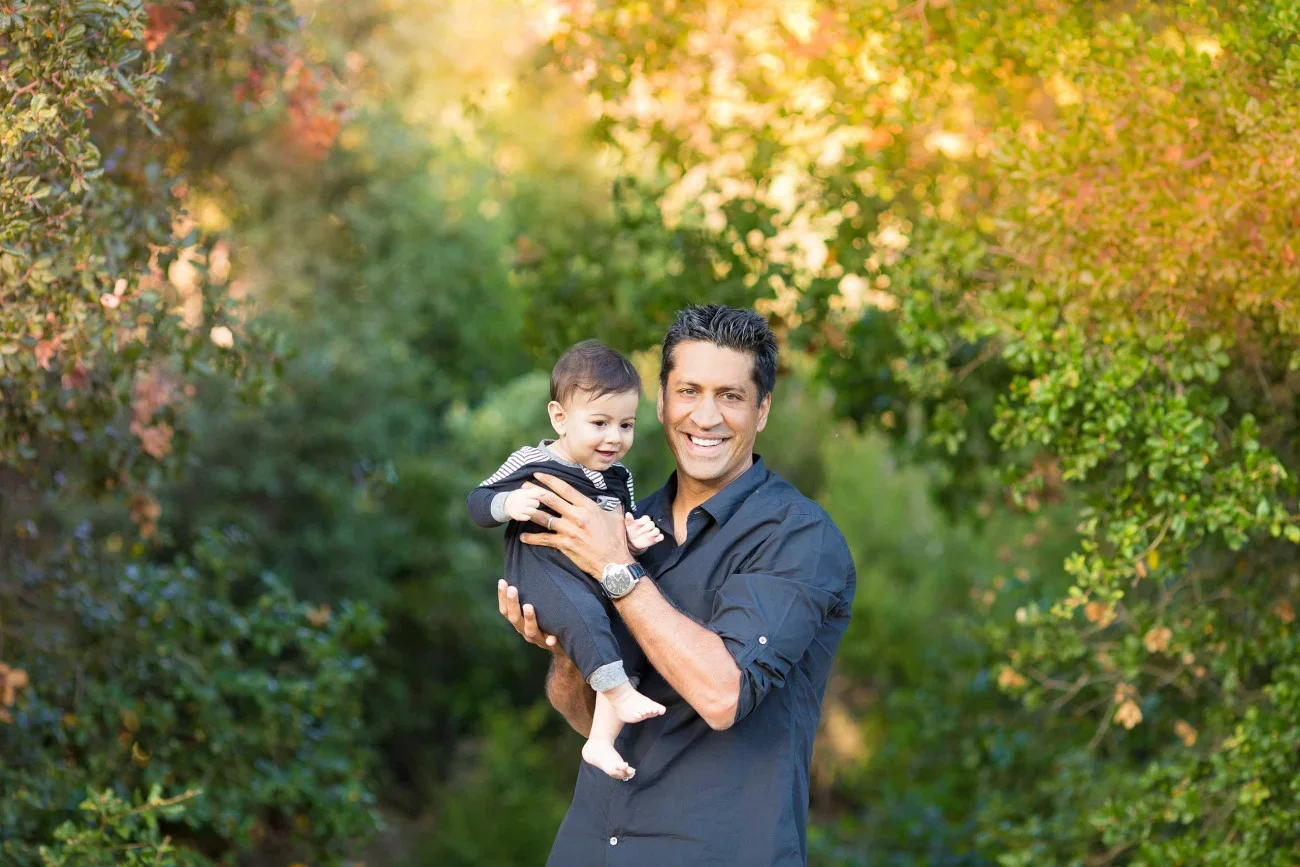
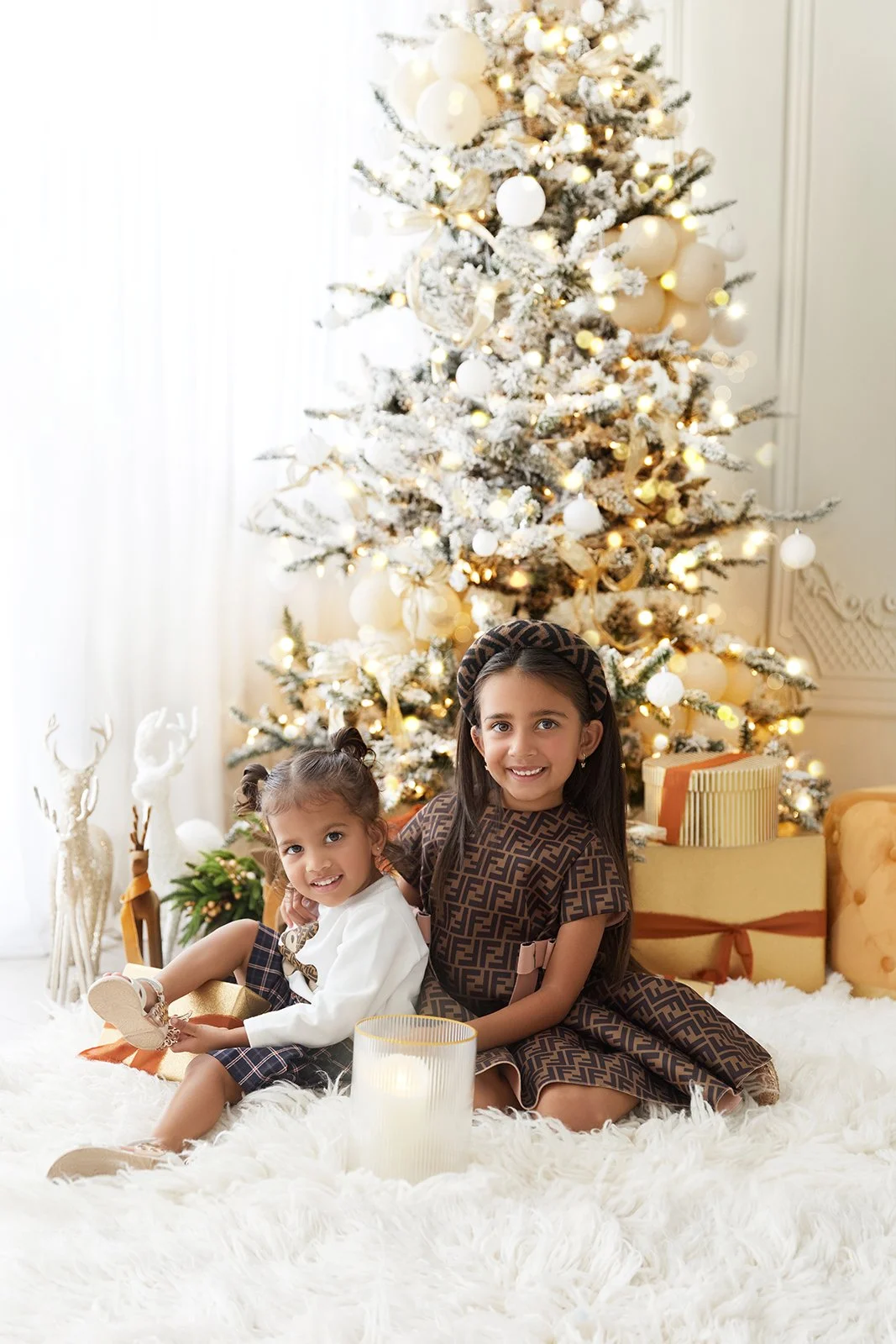
Let nature handle the entertainment. Flowers to smell, grass to brush with fingertips, leaves to toss, parks and gardens offer built-in sensory engagement that encourages authentic, candid photos. Children who resist posing often relax when the focus shifts to discovery. Ask for three quiet sounds, birdsong, breeze, footsteps on a path, and watch shoulders drop. Then invite action like spin once, sniff a bloom, tiptoe to the next stone. The goal is to keep attention without overwhelming.
Avoiding visual clutter in greenery
Green is generous but can be chaotic. Choose backgrounds with depth, not chaos. A single tree line, a softly curved path, or a hedge with consistent leaves keeps the frame calm. Avoid areas with sharp, high-contrast patches or intersecting branches that grow out of heads. Step your subjects several feet away from foliage so the background melts softly, distance is as important as aperture when it comes to depth. Watch for stray bright spots poking through leaves; a small shift in angle cleans a frame faster than any edit.
Use foreground frames intentionally. A gentle veil of out-of-focus leaves at the edge of the composition adds romance and guides the eye toward faces. Keep it subtle, too much foreground feels like peeking from a bush. If the grass is vivid, steer wardrobe warm to balance the cool cast. If flowers are bold, simplify outfits so blossoms carry the color and faces still own the portrait.
Clothing in greens, browns, soft pinks
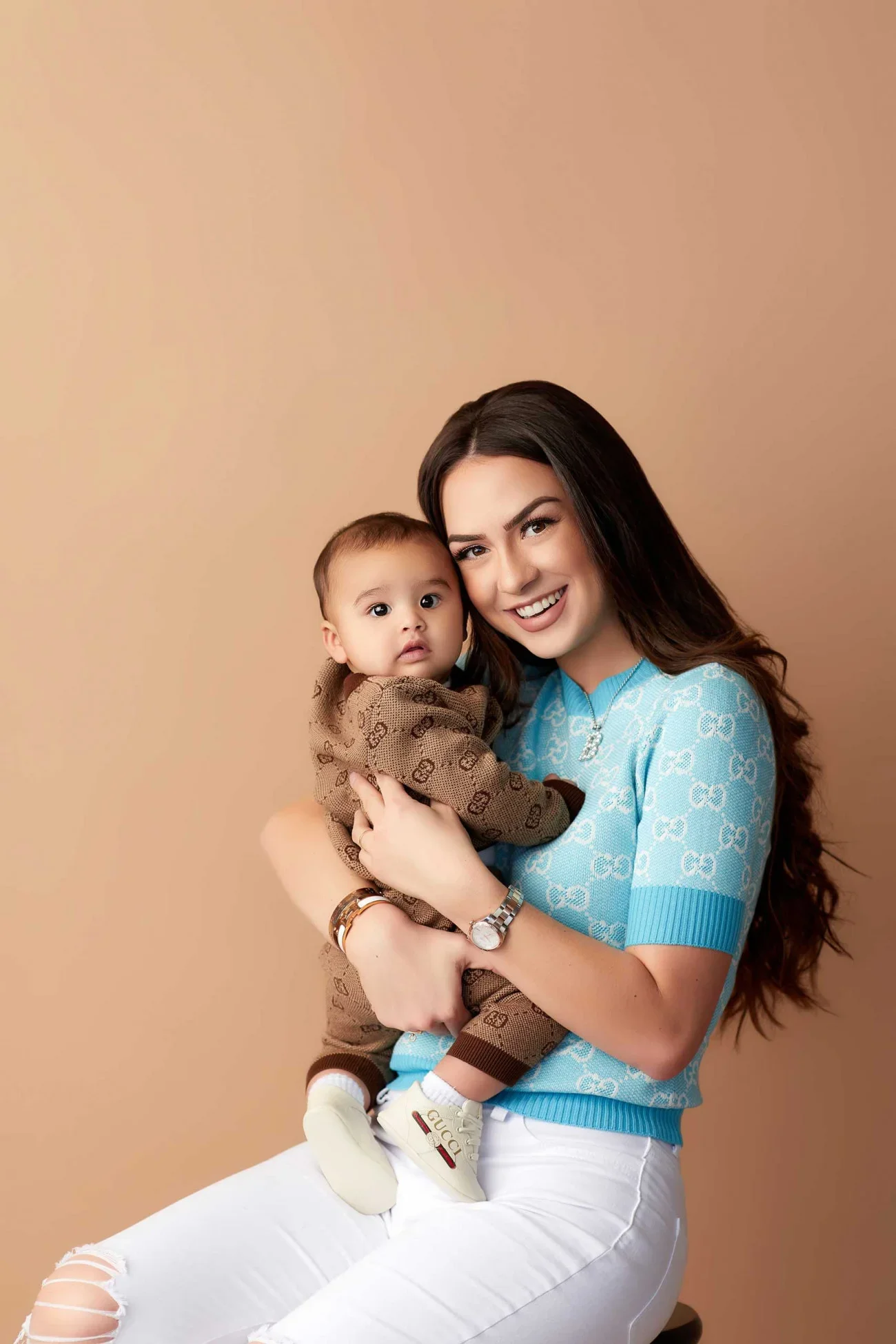
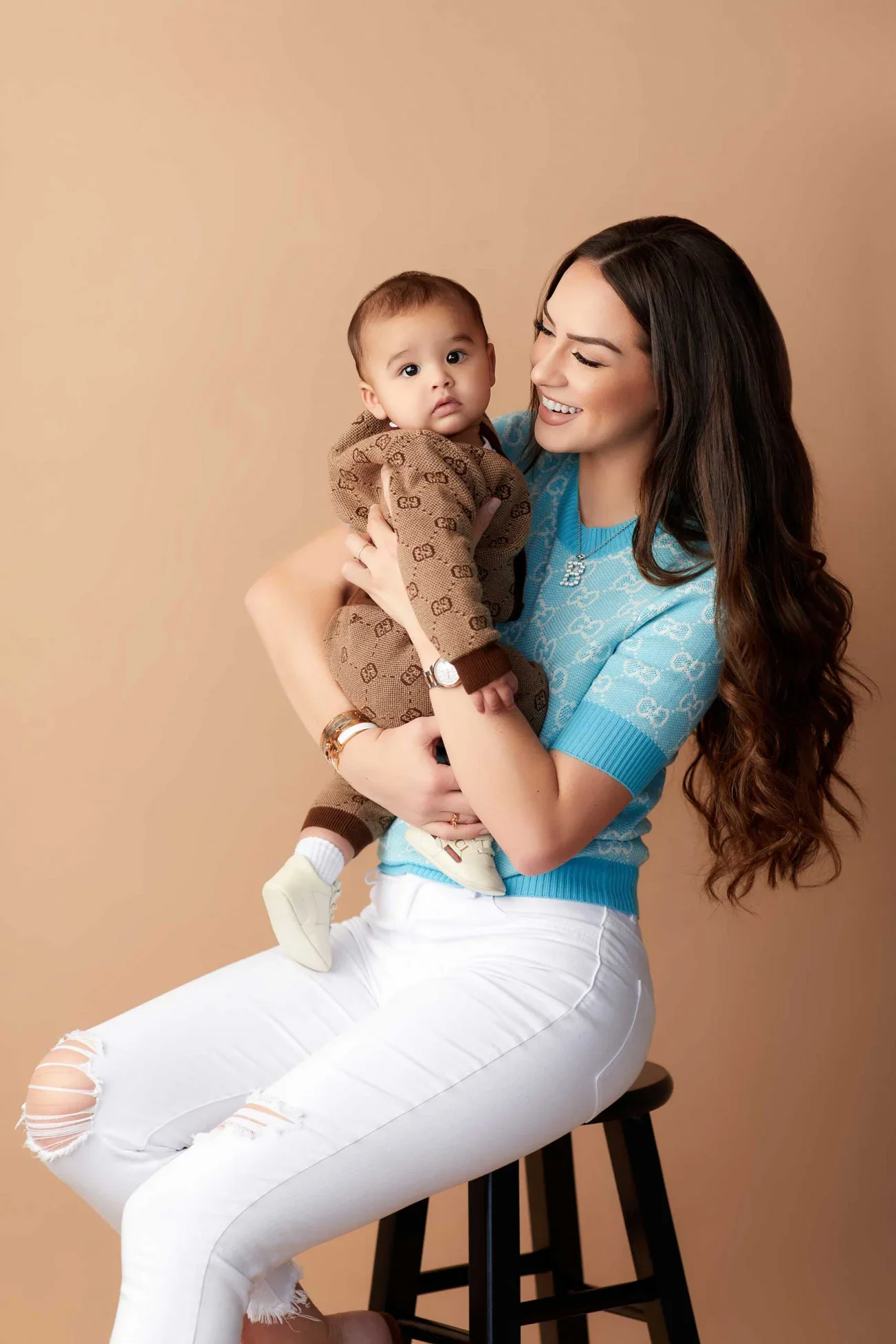
Dress the garden with harmony. Greens, browns, and soft pinks feel at home in nature. Beige and tan ground the palette, blush, dusty rose, and sage add quiet color without stealing the show. Small florals can be beautiful if scaled right, tiny prints read as texture, oversized florals can overtake little faces. Lace and light crochet add interest that feels organic outdoors. Shoes can go simple or off entirely if the ground allows, go barefoot shifts body language into a relaxed, playful mode that suits a family photoshoot.
Consider practical details that keep everyone comfortable like bringing clear, non-greasy bug repellent, a tissue for pollen tickles, a neutral blanket for sitting. If a child is sensitive to fabric tags or seams, remove tags ahead of time so skin isn’t irritated mid-session. Keep hair soft and secure, half-up styles prevent constant face sweeping without looking overdone.
Storytime Session with a Favorite Book
Lean on familiarity. A beloved book turns nerves into comfort because the brain knows the script. Kids settle into the rhythm of the story, and that steady rhythm slows movement enough for beautifully focused portraits. The book invites everyone to gather close, share glances, and forget the camera. Choose a title that fits on laps and opens flat, with illustrations that feel timeless. Loud novelty books with sound buttons pull focus, quiet, classic pages keep attention on faces and hands.
This is a powerful option for families who want a lifestyle feel without roaming. It works in a nursery, on a living room rug, even on a studio floor with a simple throw. Keep the background tidy and neutral so the only busy thing is the page in front of them.
Sitting poses that feel natural and cuddled
Build a soft nest. A low pile rug, a neutral blanket, a couple of pillows create a defined, cozy space that invites closeness. Sit adults first, cross-legged or with legs to the side, then layer children into laps and crooks of arms. Tilt heads together just enough to touch. Keep elbows relaxed and hands visible, hands turning pages, hands tucked under chins, hands resting on knees tell the whole story without a single posed grin.
Rotate the book gently to share the page with the camera now and then, but don’t over-direct. For a two-child moment, let one point to a picture while the other listens, the interaction between siblings becomes the portrait. When the pace needs a refresh, switch to a standing story by a window, with the book open across adult hands and a child leaning in.
Capturing micro-expressions
Focus on the small things that make family portraits feel like memory. The half-smile that appears when a favorite character shows up. Eyelashes in profile during a long sentence. A child’s finger tracing a picture. The glance a spouse gives over the top of the book when everyone is piled in and content. Move quietly around the cluster to find those angles, slightly above for layered heads, straight-on for the shared page moment, and close for hands.
Parenthood in Motion (Lifting, Spinning, Running)
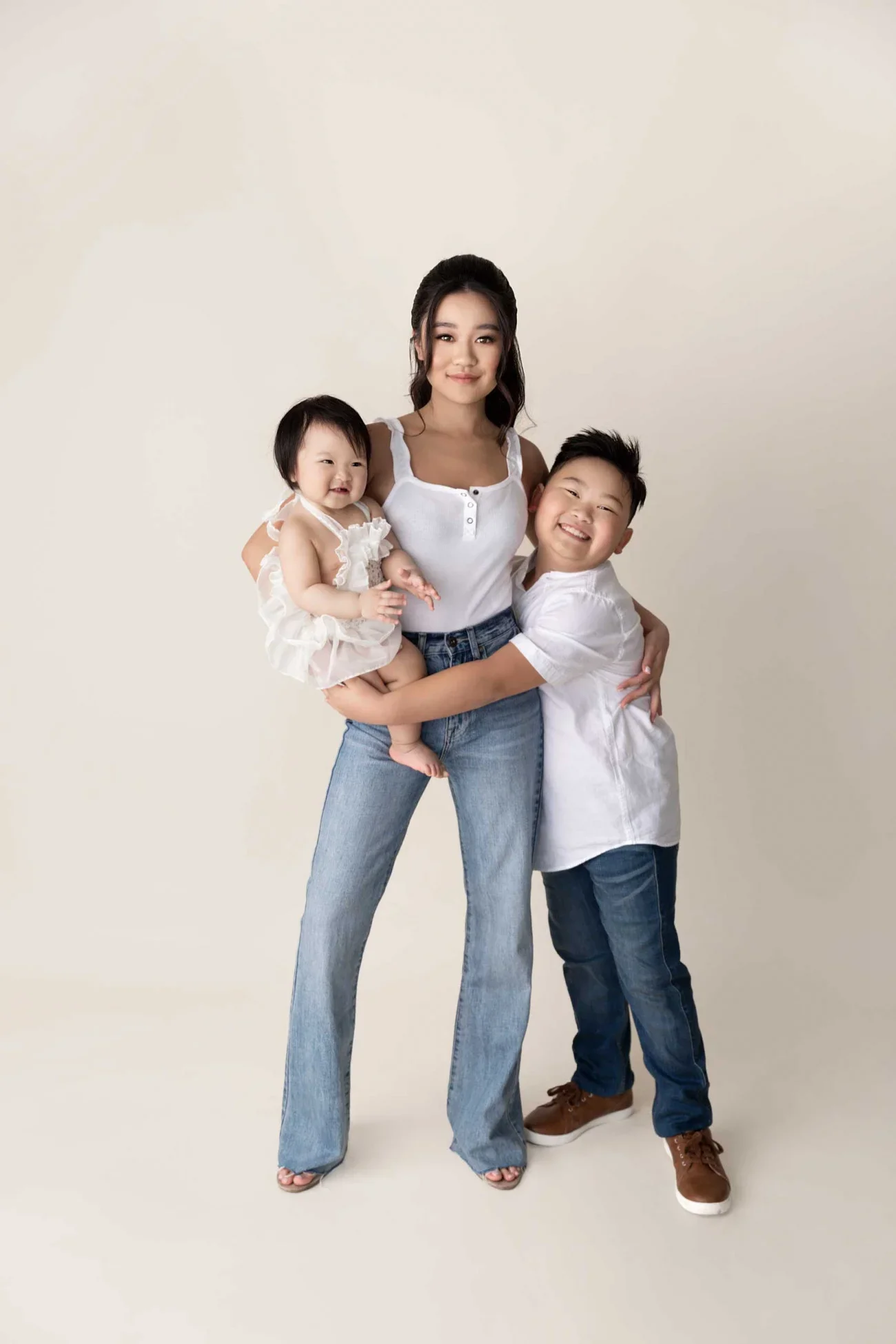
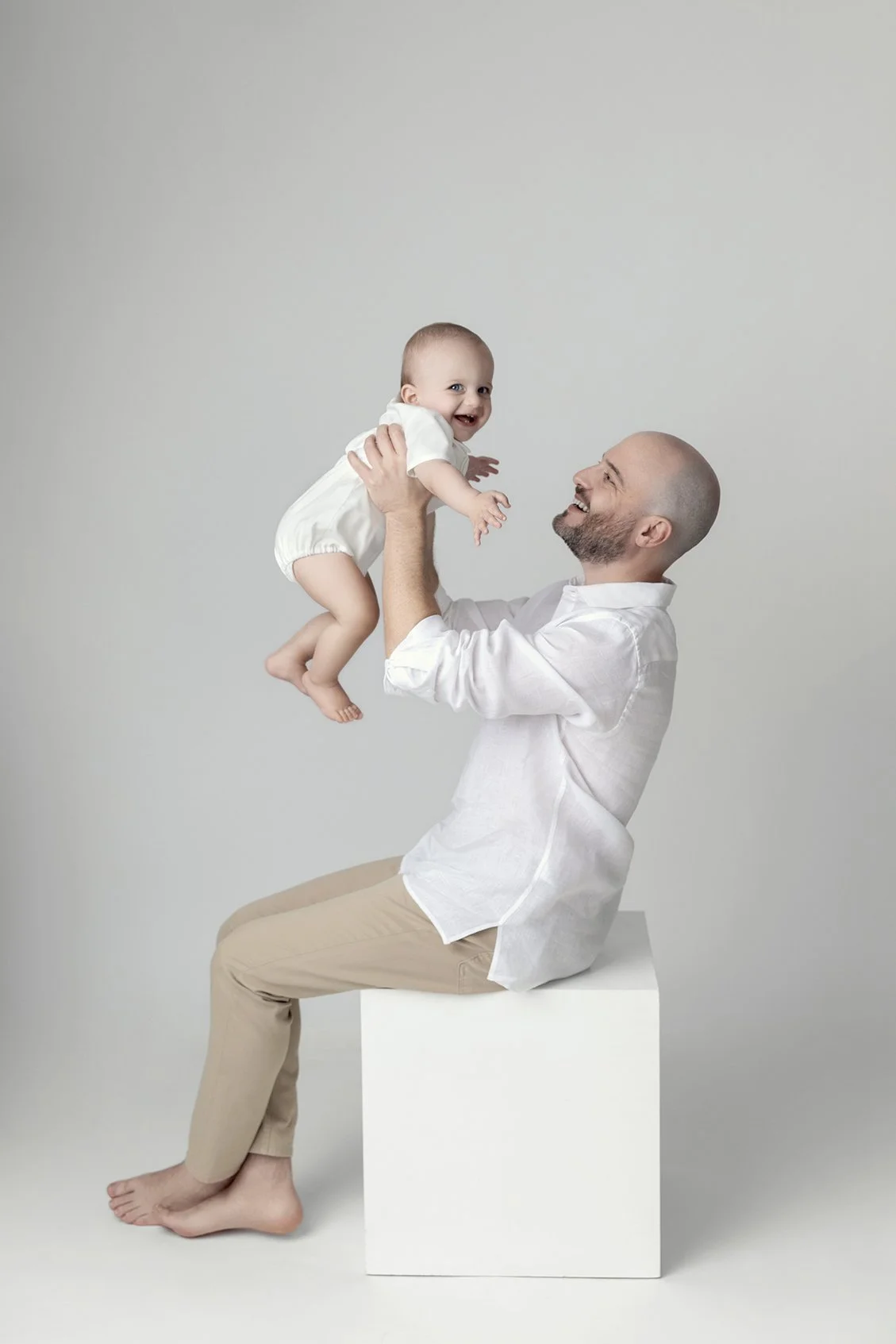
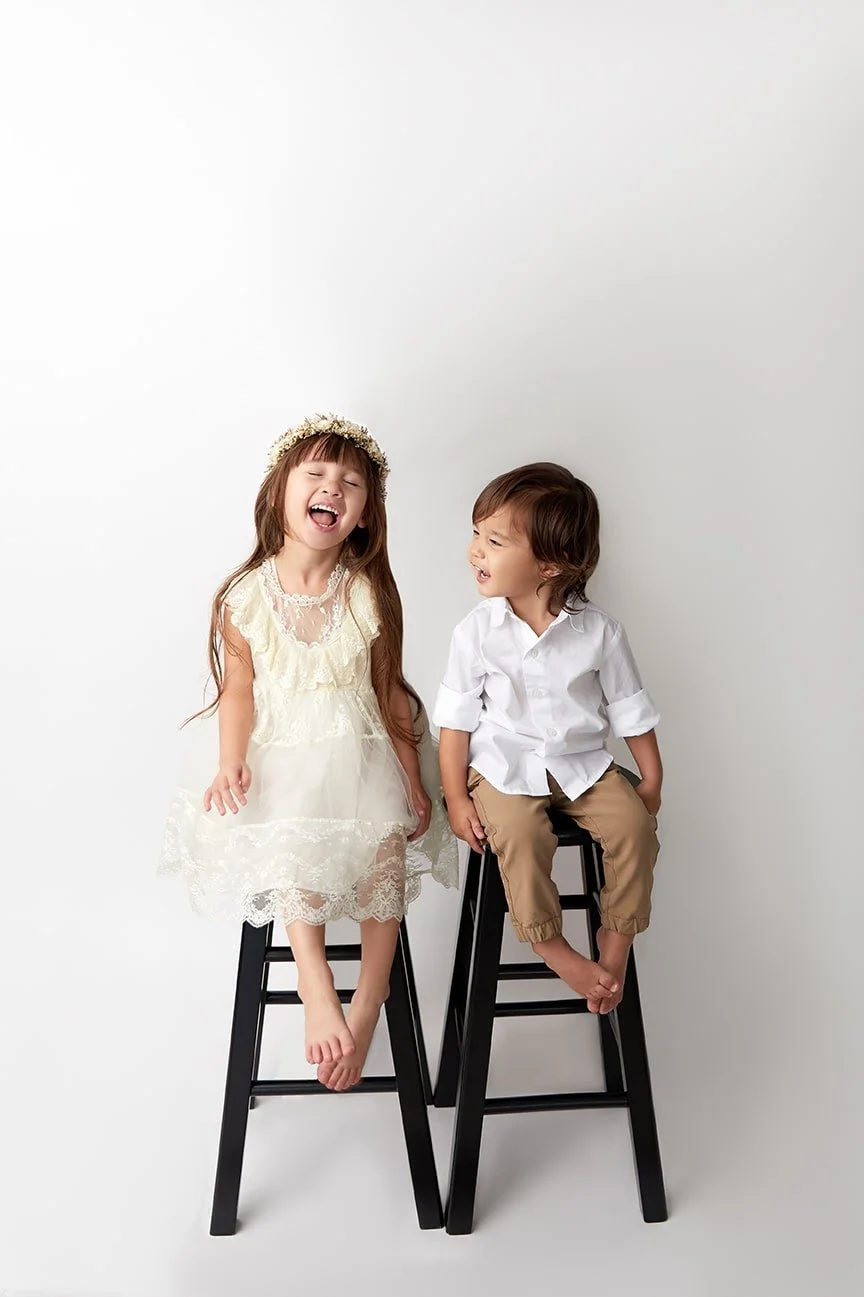
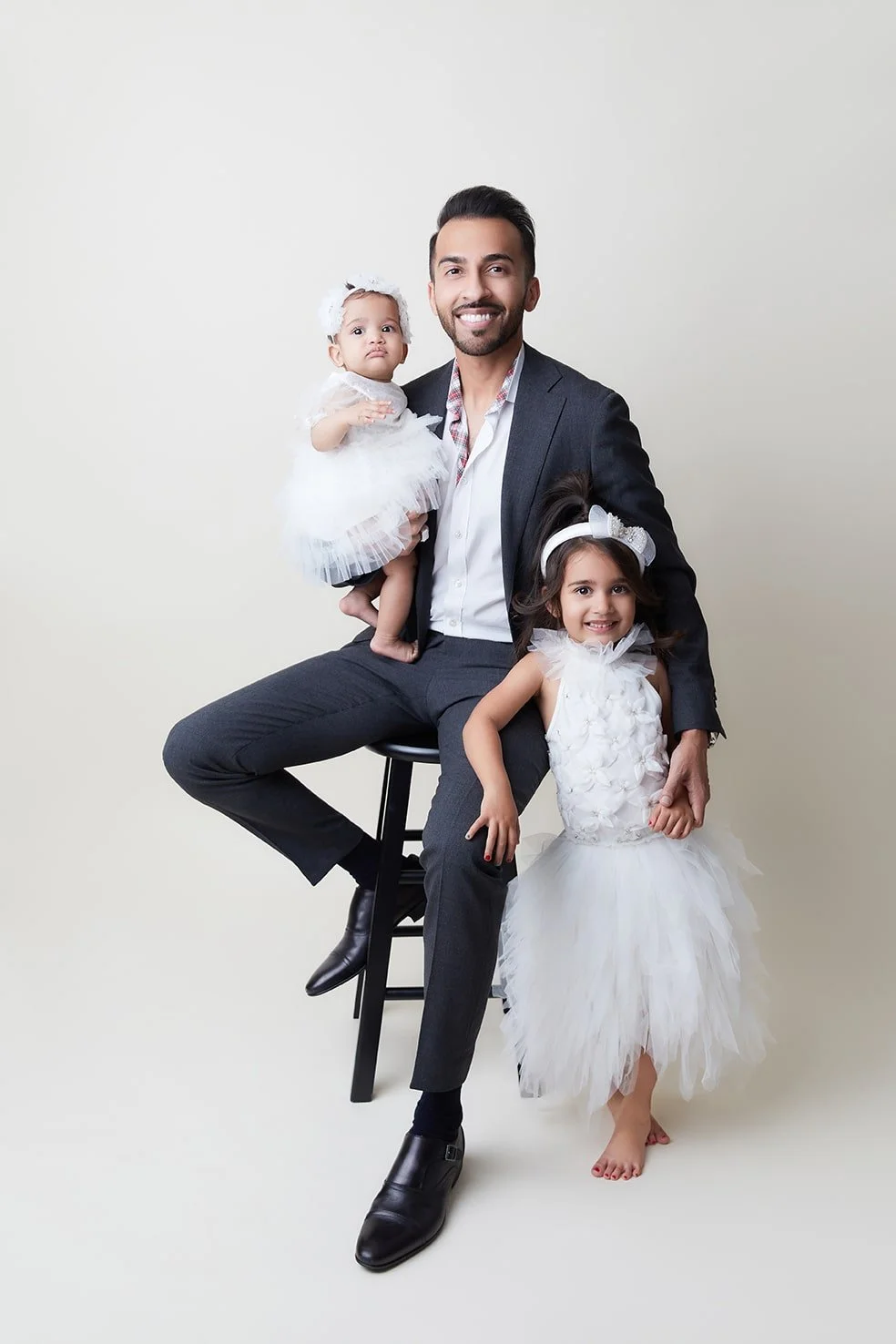
Movement unlocks something in families that stillness never can. When bodies are in motion, faces soften, tension drops, and everyone forgets about being photographed. Instead of trying to hold a pose or force a perfect smile, the session becomes about being together in a way that feels natural. A parent lifting a child into the air for a brief moment, a gentle spin where laughter spills out before anyone remembers the camera is there, siblings chasing each other in a small circle while a parent looks on, these moments breathe life into a family photo.
Kids love motion because it feels like play. Adults love motion because it gives them something to do, which means no one has to wonder what to do with their hands or how to angle their chin. A comfortable body leads to a comfortable expression, and the camera reads comfort more beautifully than anything else. The laughter that comes right after the spin, or the quiet squeeze that follows a playful run back into someone’s arms, those in-between moments are where emotion lives.
The key is pacing. Little ones can go from joyful to overwhelmed quickly, and they need someone present enough to notice the shift. When the energy gets a little too big, slowing everything down helps keep the moment warm. A soft sway instead of a spin. A cuddle instead of a chase. Even just walking hand in hand allows excitement to settle into closeness again. The beauty of a movement-based family photo session lies in that rhythmic dance between playful bursts and gentle reunions.
Movement also creates shapes the camera loves, hair lifting with the breeze, a dress catching the air, small feet leaving the ground for just a second.

Let the Kids Lead
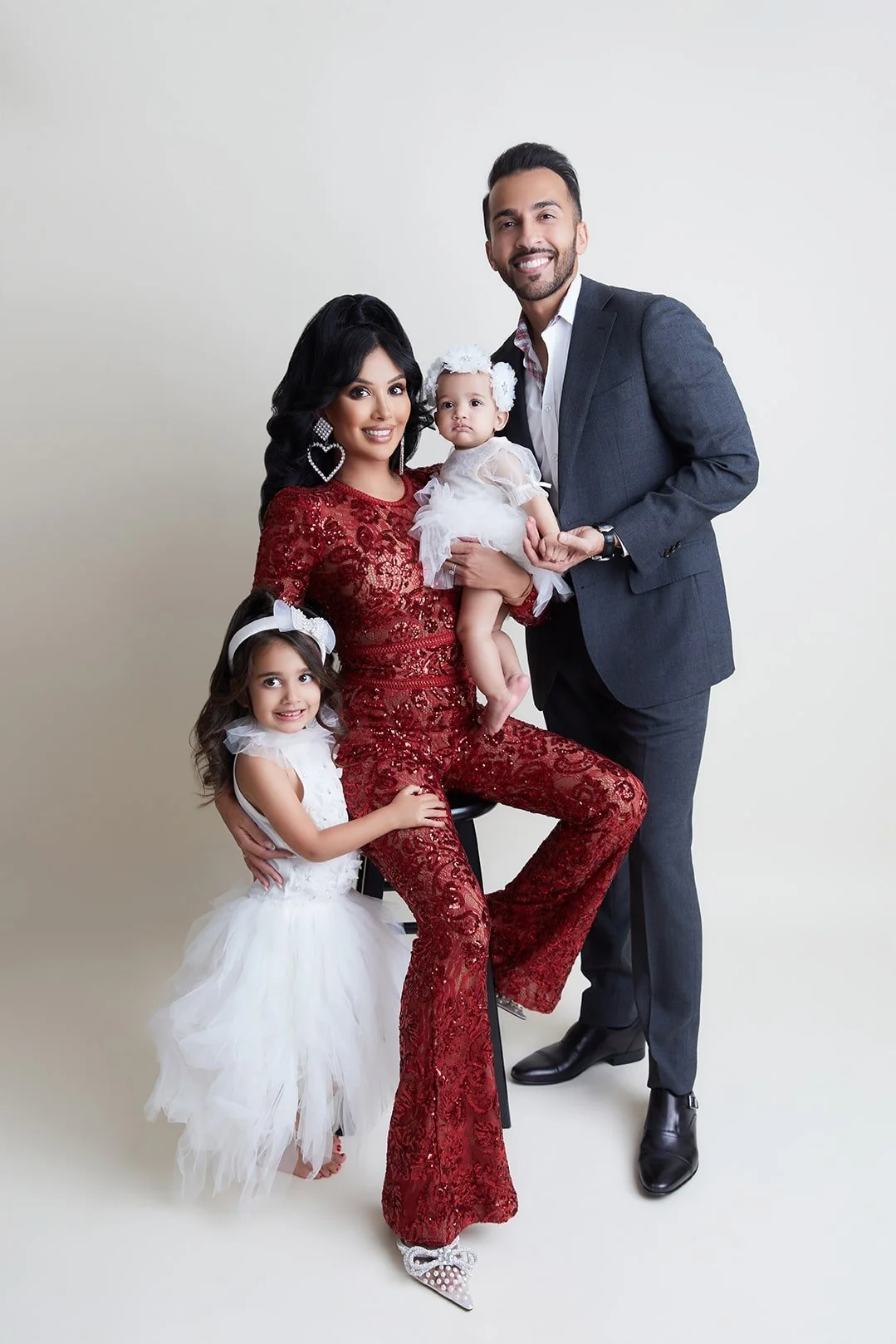
A family photo session becomes calmer, happier, and more authentic the moment kids feel like they have a say in what’s happening. Children are incredibly perceptive, they can tell when something is being asked with them versus at them. When they feel included, their whole body relaxes. Their expression opens. Their natural curiosity comes forward.
This doesn’t mean letting them run the entire session. It simply means offering choices that feel real and respectful. Instead of telling a child exactly where to stand and how to look, invite them into the process. Asking whether they’d rather sit on the blanket or on a parent’s lap gives them a sense of participation, and participation naturally leads to cooperation.
If you’re a parent or photographer working with families that include very young children or siblings adjusting to a new baby, we recommend watching out the 1 Month Old With Sibling Course.
Generational Portraits that Feel Intimate
Photographing multiple generations together is an honor. Start with comfort. Grandparents often move differently, and giving them a seated position or steady support helps them feel relaxed, not posed. When everyone gathers around them, hands resting, arms around shoulders, heads leaning in, the image becomes about belonging rather than arrangement.
Hands are especially important in generational portraits. A small hand resting on a lined one, fingers threaded together, or a gentle hold between parent and grown child tells a story no words could. Sometimes the quiet details speak more loudly than the entire group photo.
These portraits are not about formality. They’re about legacy. The tenderness between generations, whether expressed softly or playfully, is what makes these so special.


Conclusion
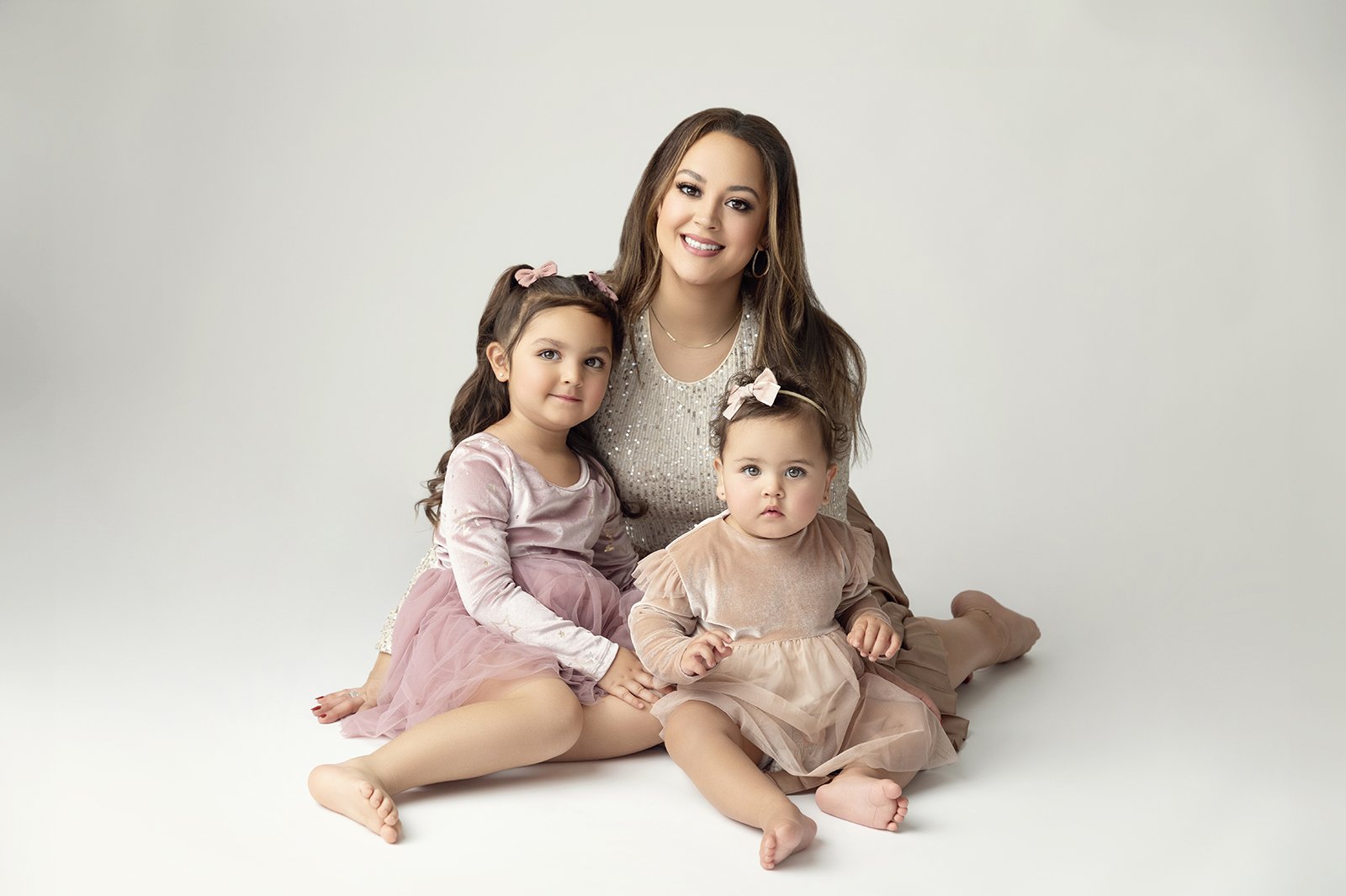
The most meaningful family photos are the ones that feel like life, not the tidy version, not the perfectly coordinated one, but the version where people actually love each other out loud. Relax, trust the process, let the kids be themselves. Your work doesn’t need perfection. It needs heart. And you already have that.
For anyone wanting to go deeper into posing, lighting, emotional direction, or working with babies and families in studio or outdoors, the courses inside ROXAMINA Academy are there to guide you.
Whether it’s our Newborn Photography Masterclass, or Natural & Mixed Light Course, our Family Maternity Photography Course, or the more child-centered courses, there’s space for you to learn, refine, and grow with confidence.
Source: Ramina Magid and Oxana Alex Photography