
Learn how a photographer who specializes in newborn photography poses babies, safety first.
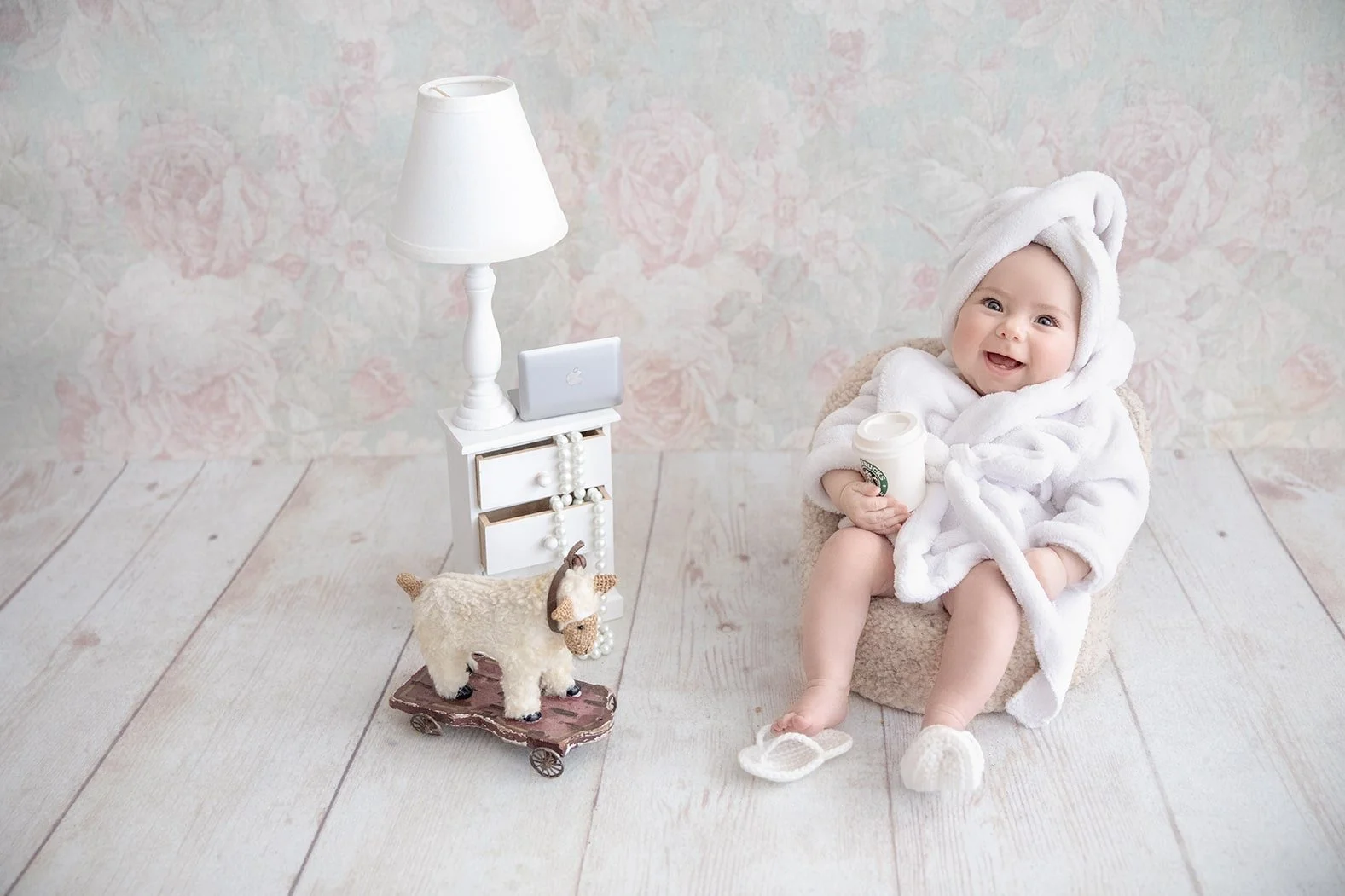
The earliest days with a new baby feel like living inside a soft, slow sunrise. Everything is brand new and beautifully fragile. That’s the spell, and the responsibility, at the center of newborn photography. My name is Ramina Magid, and over the past 8 years I’ve photographed more than 800 newborns in my natural light studio in Beverly Hills.
I’m a professional newborn photographer who is fully licensed, insured, and trained in newborn safety. My work focuses on newborn photography, maternity, baby, and family photography, with a style that’s simple, organic, and timeless.
Safety is not a chapter in this craft, it’s the whole book. A newborn session is a choreography of tiny decisions, each one designed to keep the baby comfortable, warm, supported, and never overstimulated. When a photographer who specializes in newborns makes safety the first priority, the final images are not only beautiful photos, they carry peace for the parents.
See my full Newborn Photography Masterclass to learn everything you need to about hot to take beautiful newborn portraits.
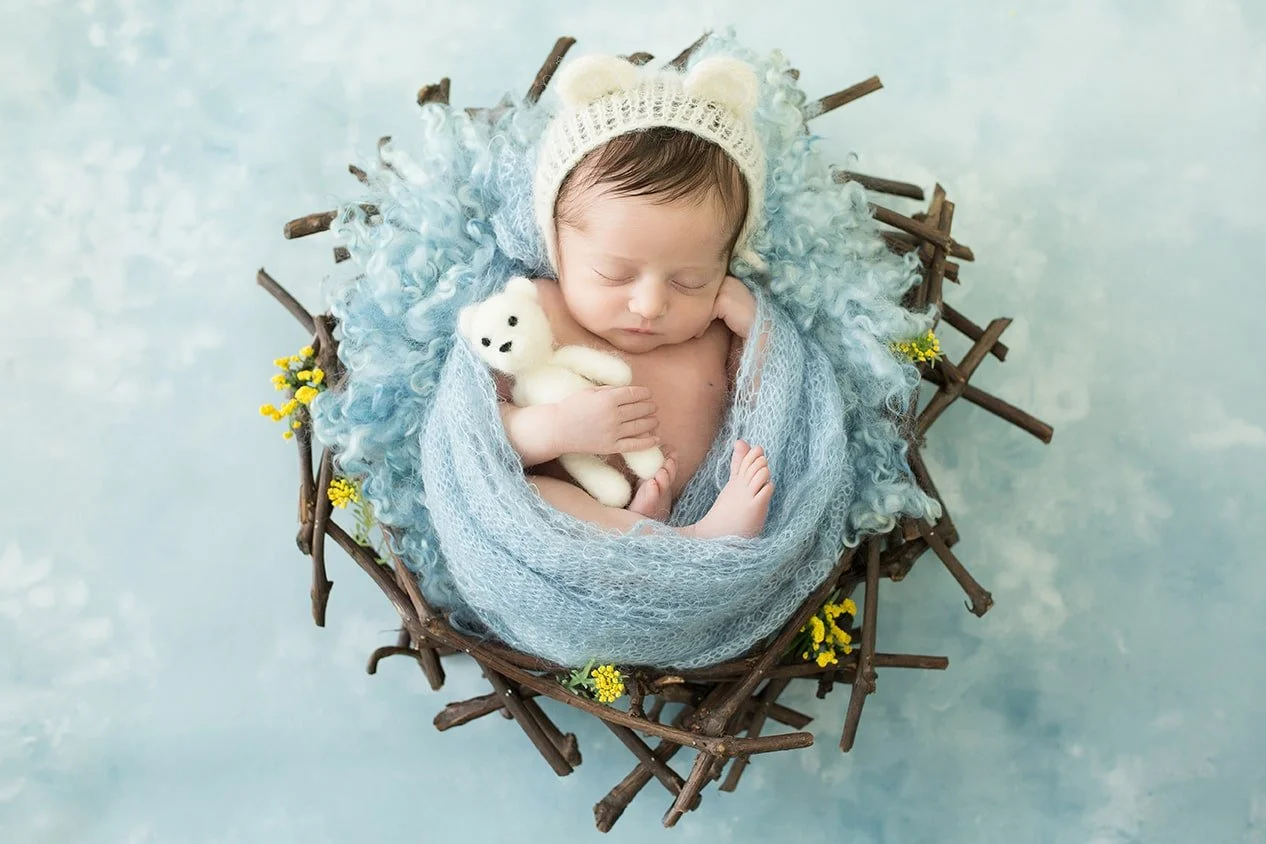
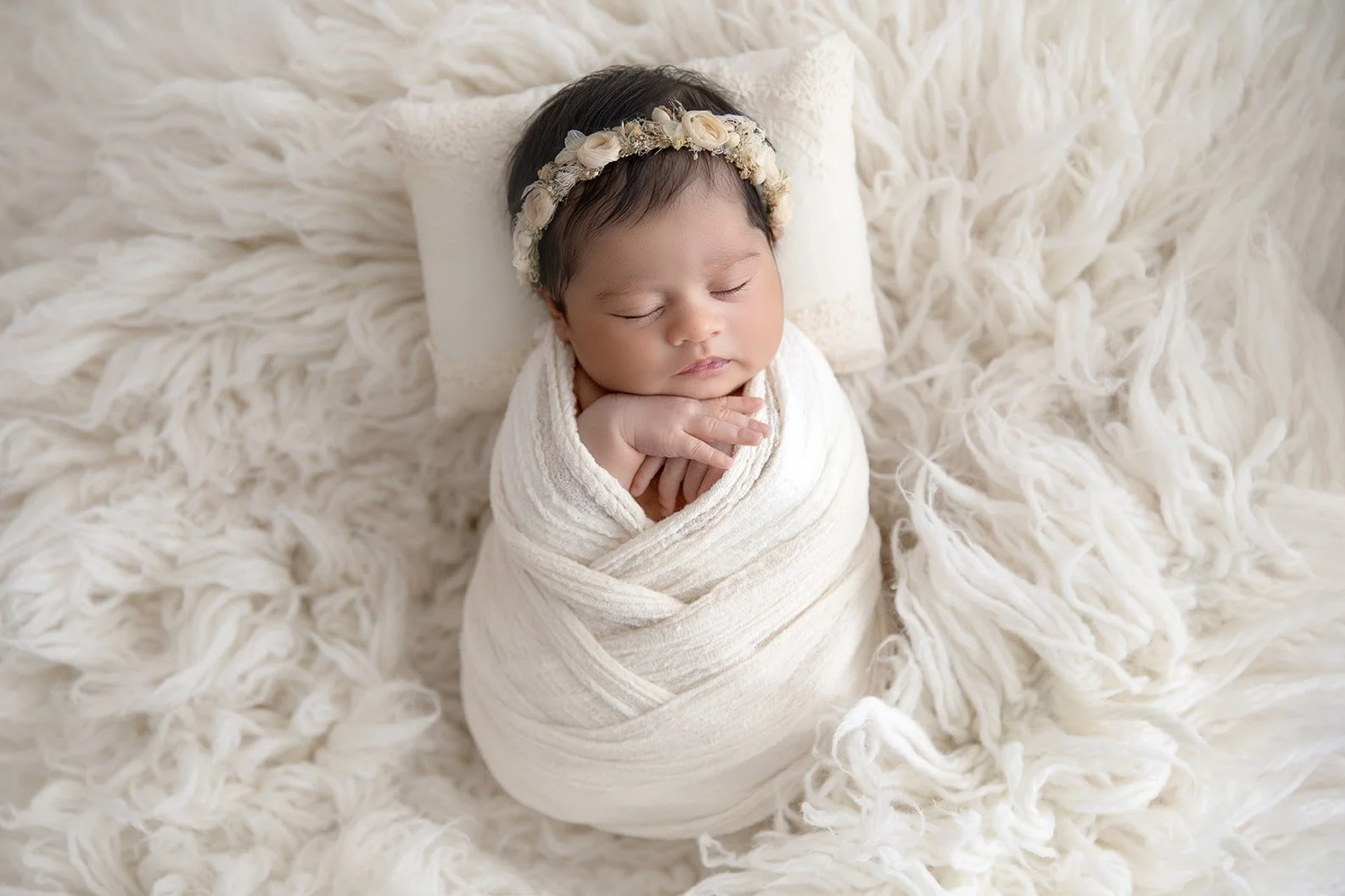
Preparing For A Safe Newborn Session Before Baby Arrives
There’s a reason professional newborn photographers prefer the first two weeks after baby is born. In those earliest days, roughly 5 to 21 days old, newborn babies are typically sleepiest and still curled into those womb-like poses naturally. Muscles are looser, reflexes are stronger, and the baby is more likely to settle into a swaddle without protesting. That sleepy, flexible window makes certain poses safer to attempt with gentle support and makes transitions smoother, which reduces handling time.
Booking during the second trimester gives everyone breathing room. Once a due date is on my calendar, parents simply notify me within three days after birth so we can lock the exact date. Newborn photography sessions focus on the baby’s comfort, so I schedule for 10 am or 11 am, right when natural light is dreamy and many infants fall into a late-morning nap cycle. Planning ahead means the studio is prepped for the family’s aesthetic, favorite colors, and any special requests, and I can structure the flow around feeding preferences and a realistic pace.
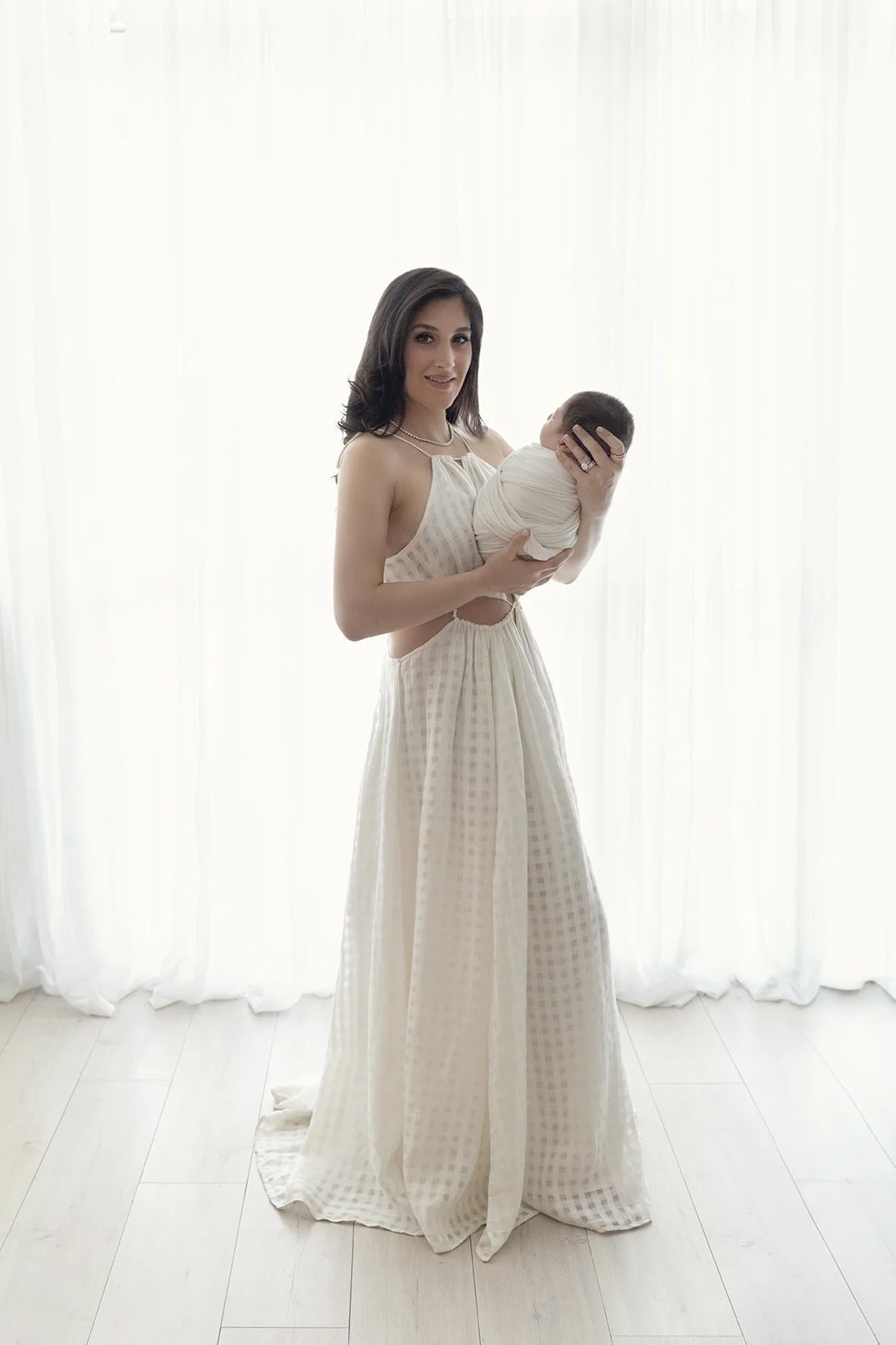
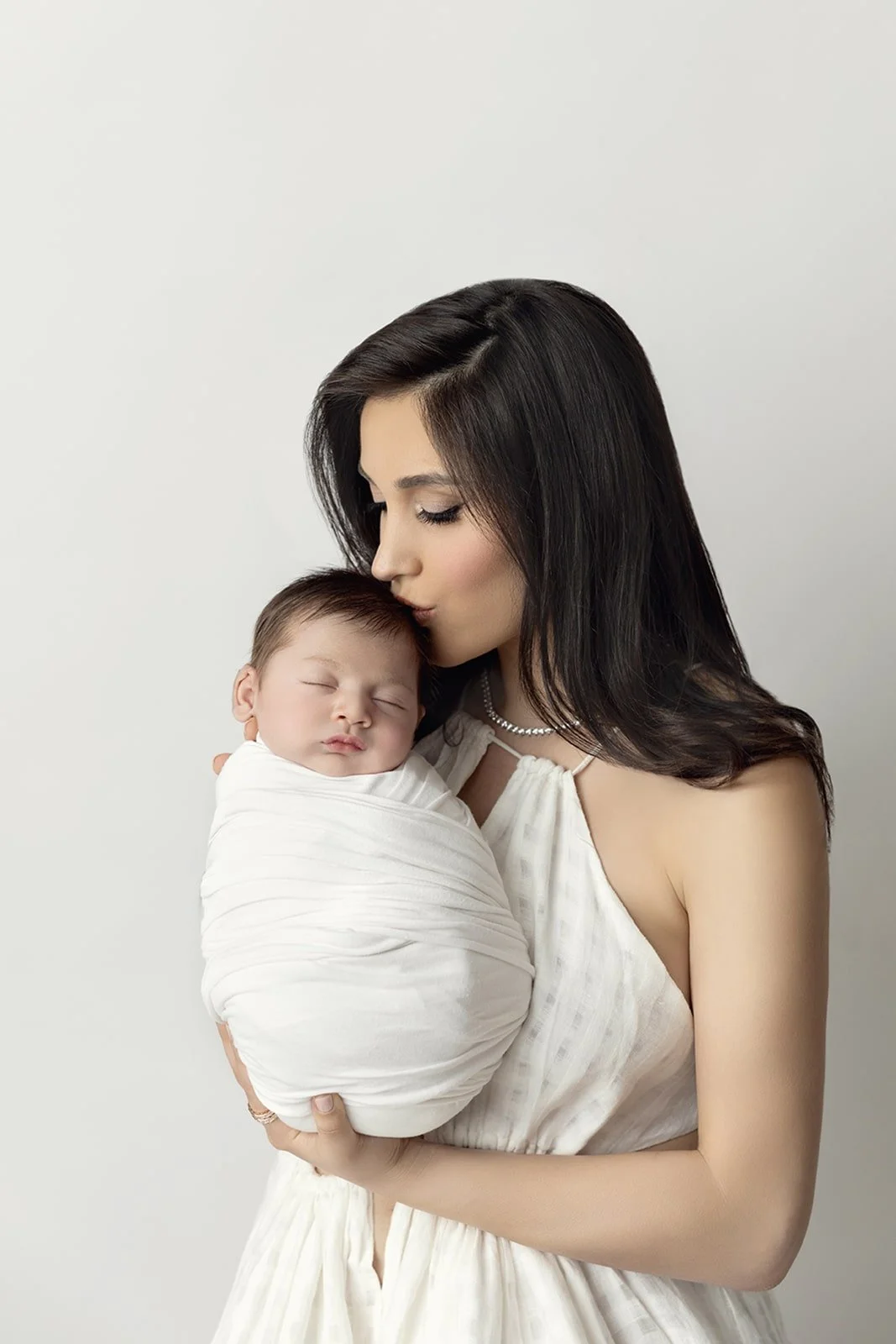
Communicating With Parents Before The Session Begins
A baby who arrives with a full tummy generally settles more quickly, but I always build in time for a top-off feed and a good burp before we start. I encourage parents to keep the baby’s clothing simple, ideally a zip-up sleeper without a tight waistband, to avoid stimulating baby during changes. I also ask families to avoid strong perfumes for the session and recommend bringing a pacifier, even if baby doesn’t love it yet, because it can help smooth transitions between poses.
And while I adore siblings and extended family, I kindly ask that only the parents and baby attend the newborn photo shoot, fewer voices and movements protect the calm, which is a safety tool in itself.
When parents know the flow, feed, burp, swaddle, pose, pause, repeat, they feel empowered. I talk through safe posing plans, which props I’ll use, and when I’ll need a parent’s helping hand for a composite. That transparency is essential. It reassures new moms and dads that every setup in a newborn photography session is deliberate and every pose is supported.
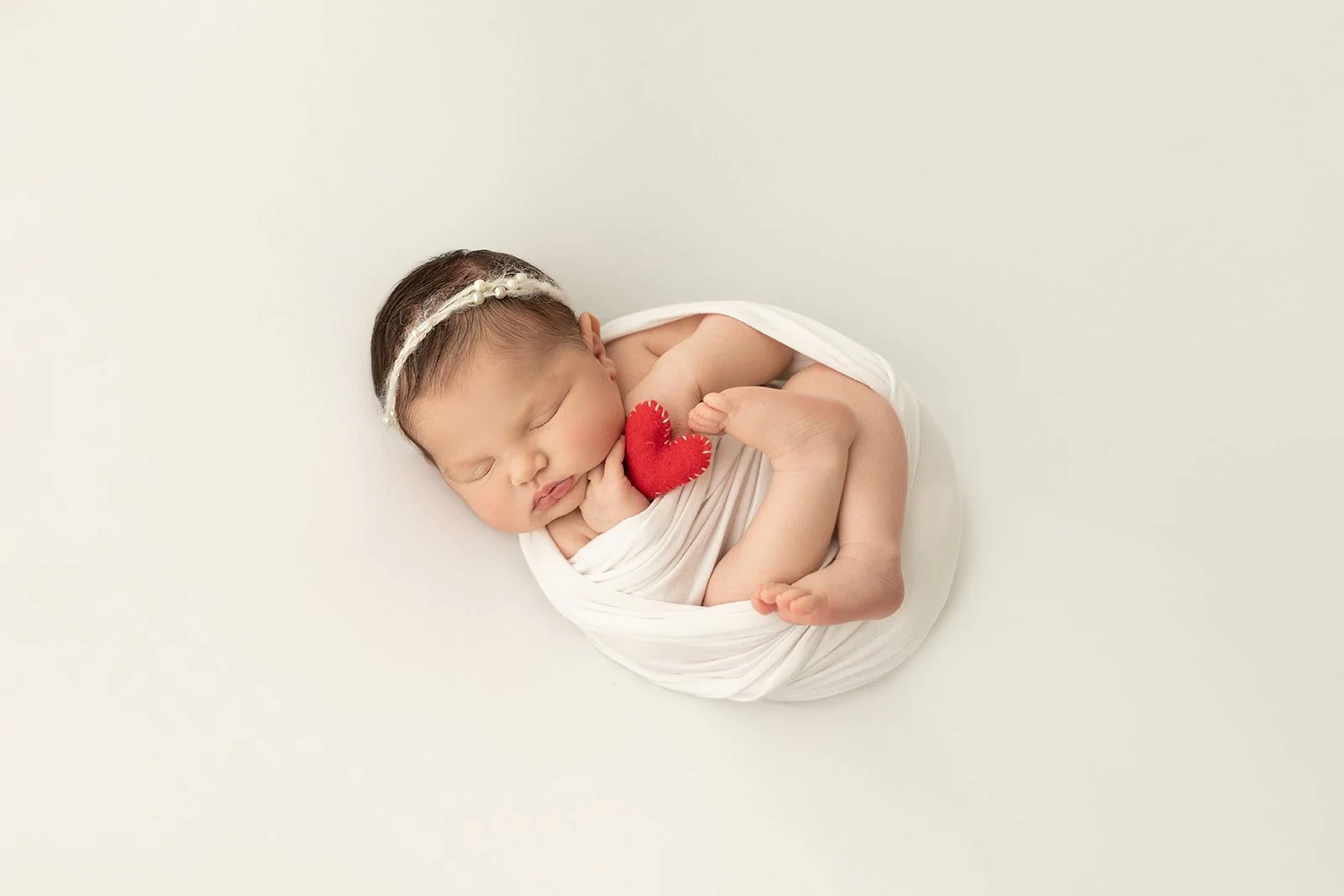
Creating A Safe, Clean, And Calm Studio Environment
A safe studio begins with a stable environment. I keep my studio around 80–85°F, because a naked or lightly wrapped newborn loses heat quickly. A warm room protects baby’s temperature so the little one’s breathing stays steady and the skin tone stays healthy. If parents worry that feels warm to them, I keep water nearby and offer a comfortable seating area near indirect light where they can relax while I work.
Natural light is my love language. I use generous window light with sheer diffusion to flatter baby’s skin and to avoid the startling effect that some artificial lights can cause. When artificial light is necessary, it’s placed thoughtfully and softened through modifiers, nothing is ever directed harshly at the baby’s eyes.
The flow of light is paired with white noise, which is magic for newborns. A low, consistent hum, either from a white noise app, a dedicated device, or a simple fan, masks sudden sounds and mimics the womb. White noise helps a baby transition between sleep cycles without jolting awake, which reduces startle reflexes.
Safe, steady light plus a cozy room plus constant soft sound equals one very content baby.
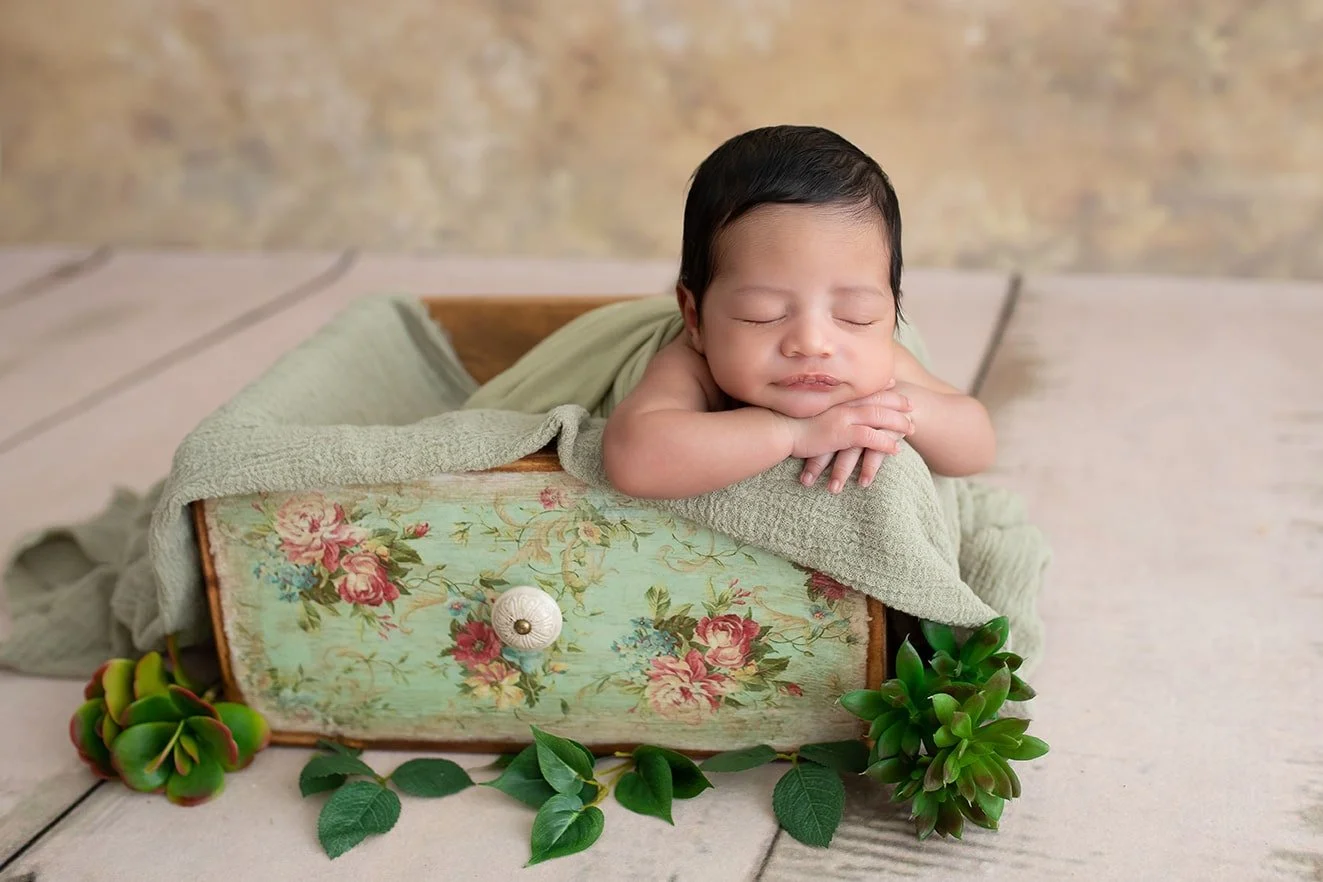
Sanitization Standards, Laundry Cycles, And Prop Safety
Every textile that touches the baby is freshly laundered and sanitized between photo sessions. Wraps, bonnets, outfits, backdrops, posing fabrics, even the snug little headbands all go through a gentle, fragrance-free wash. Posing supports get wiped with a baby-safe disinfectant. I don’t reuse a wrap that touches a baby’s skin and then move it to another setup without laundering. Parents can exhale knowing that each item that touches their child is clean.
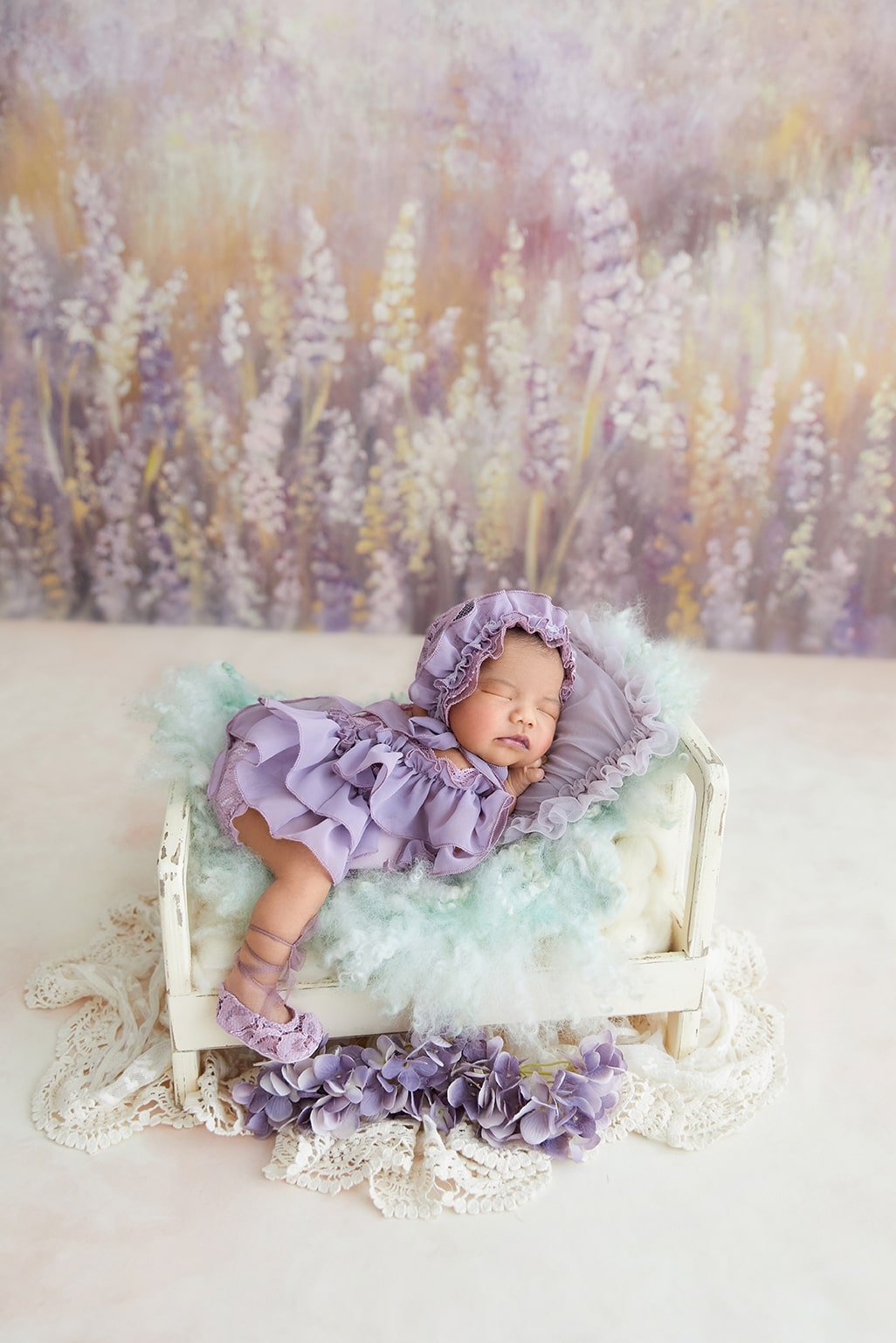
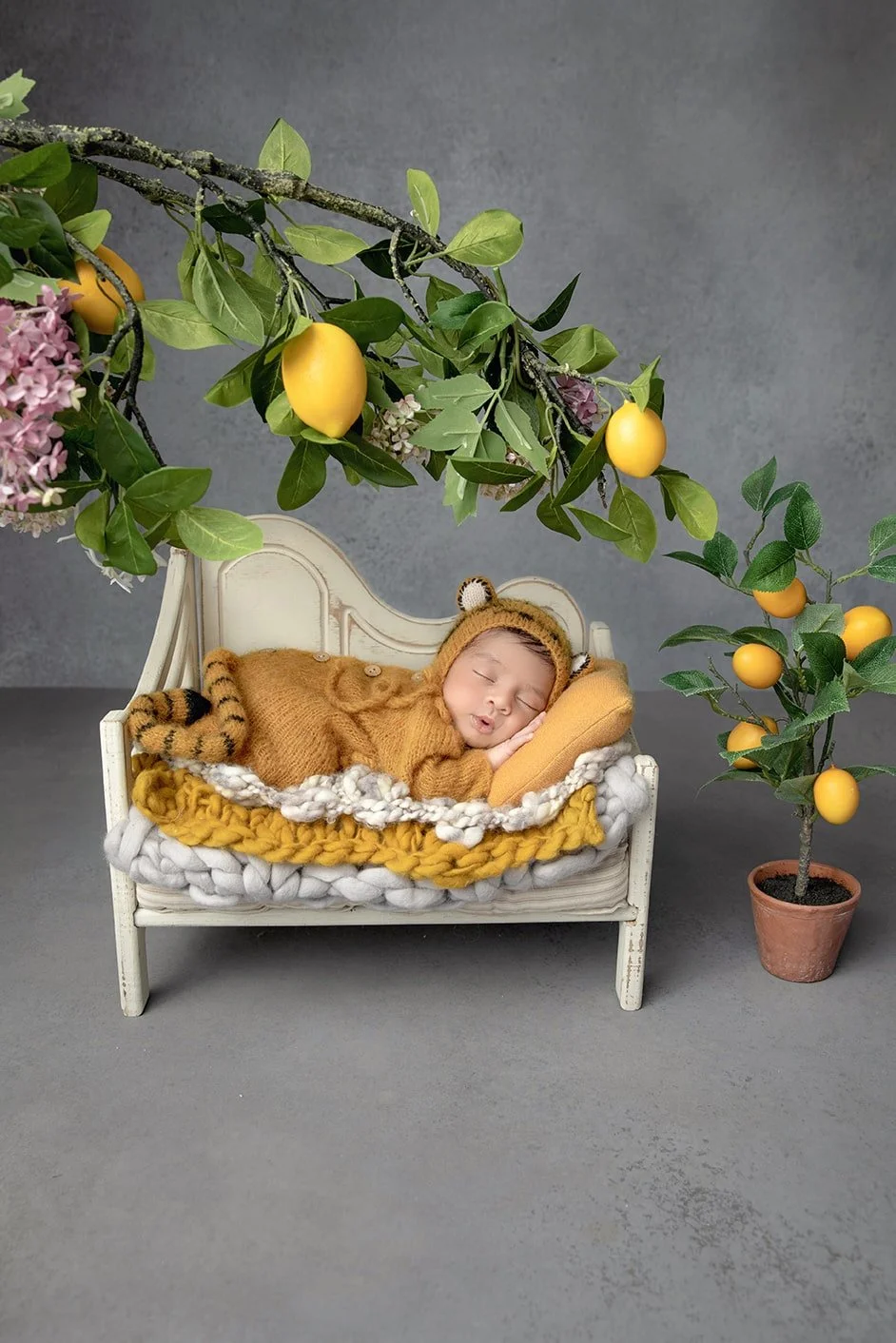
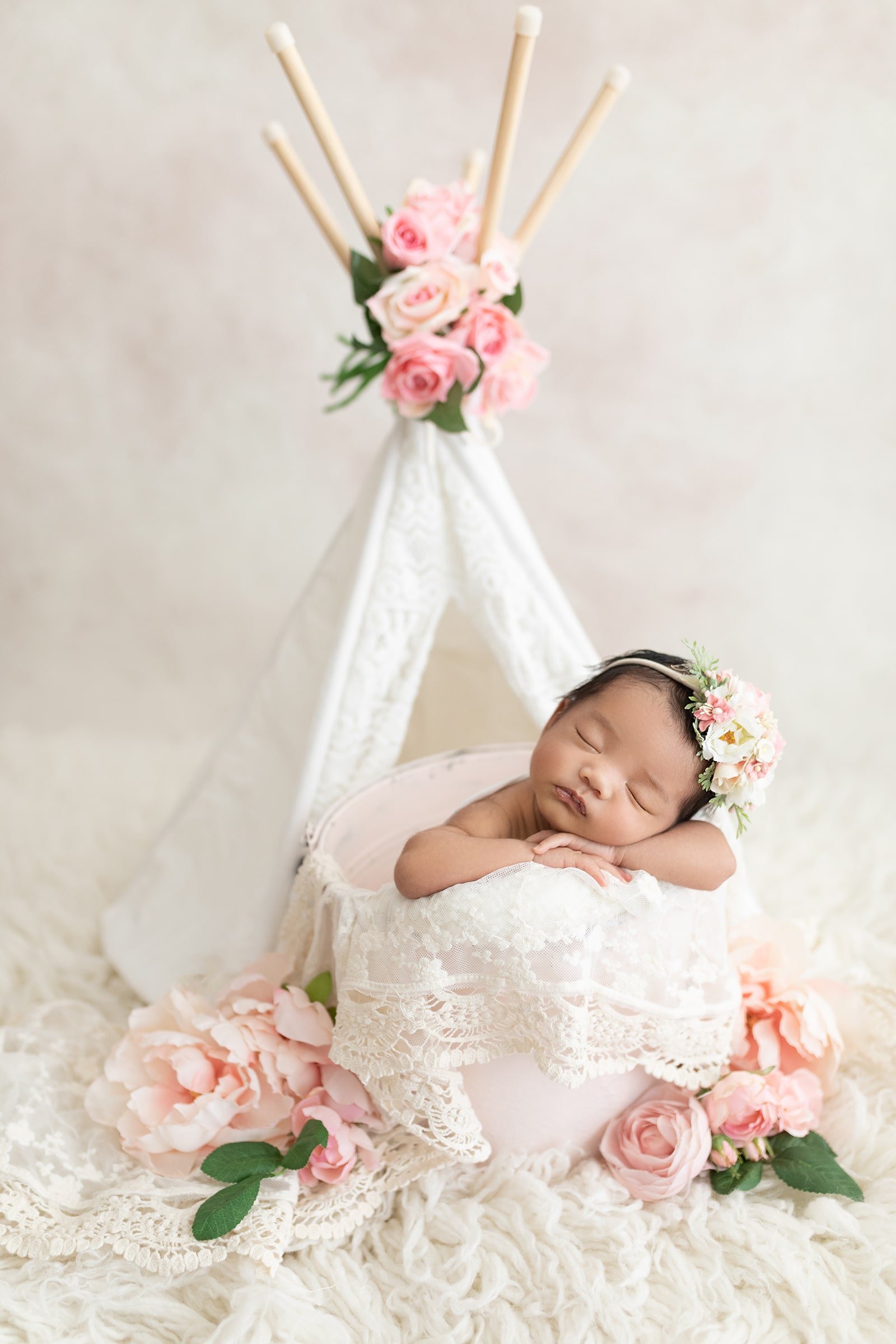
Prop safety is non-negotiable. Every prop, whether it’s a wooden bowl, a tiny bed, or a vintage-looking bucket, is weighed for stability, lined with padding, and placed on a non-slip floor with additional weights if necessary. I never suspend a baby. If a setup looks like baby is lifted, it is always a composite created from multiple images where a parent’s hand or my hand supports the baby at all times. The visual might be whimsical but the reality is cautious and engineered.
Before any pose in a prop, I check the angle so there’s no chin-to-chest compression, monitor the airway by verifying an open view of the nose and mouth, and keep the spine and hips supported. If a prop feels even slightly unstable, it’s eliminated. Beautiful photos never justify risk.
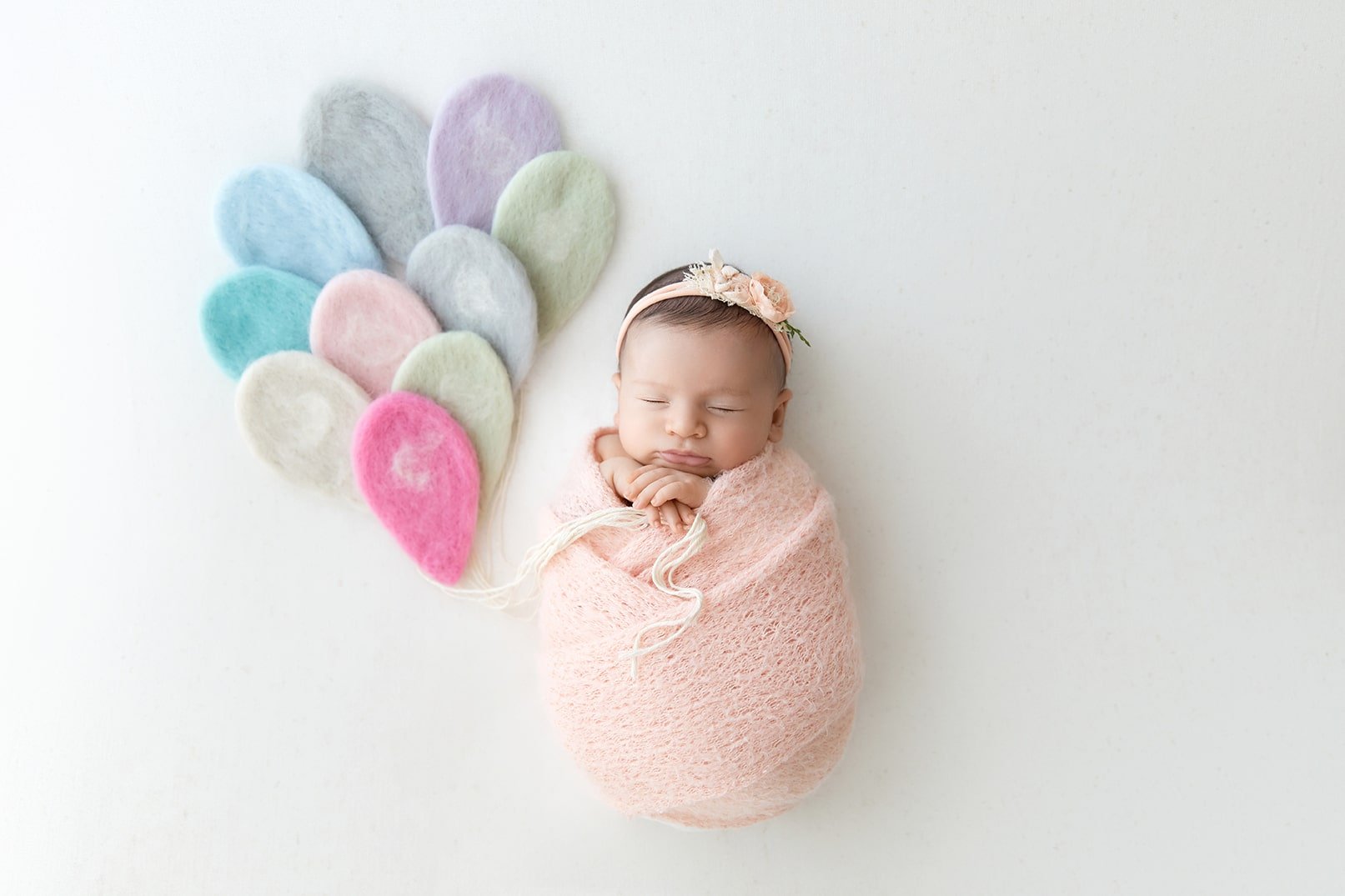
The Art Of Handling Newborns Safely During The Session
Handling a newborn is a language of micro-movements. The head and neck are always supported. When transitioning from parent’s arms to the posing table, I scoop with one hand under the upper back and neck and the other under the hips, then turn the entire torso as one unit.
This minimizes twisting and protects the soft spine. I never push a pose into place. Instead, I watch how the baby naturally wants to rest and then guide gently, encouraging a natural lay of the baby’s limbs. If I see the chin dipping too close to the chest, I slide a tiny rolled cloth under the shoulders to open the airway. That shoulder roll is often the difference between a fussy baby and a peaceful one, and it helps the face angle toward the light so the photos look luminous and flattering.
Breathing is the metronome. I keep one eye on the belly’s rise and fall. I look for smooth breaths, a relaxed mouth, and a soft brow. If the rhythm changes, I pause and reassess. A brief cuddle, a pacifier for a minute, or returning the baby to a secure swaddle resets the nervous system. The moment a baby’s cues say enough, we listen.
Reading Baby’s Breathing and Stress Cues
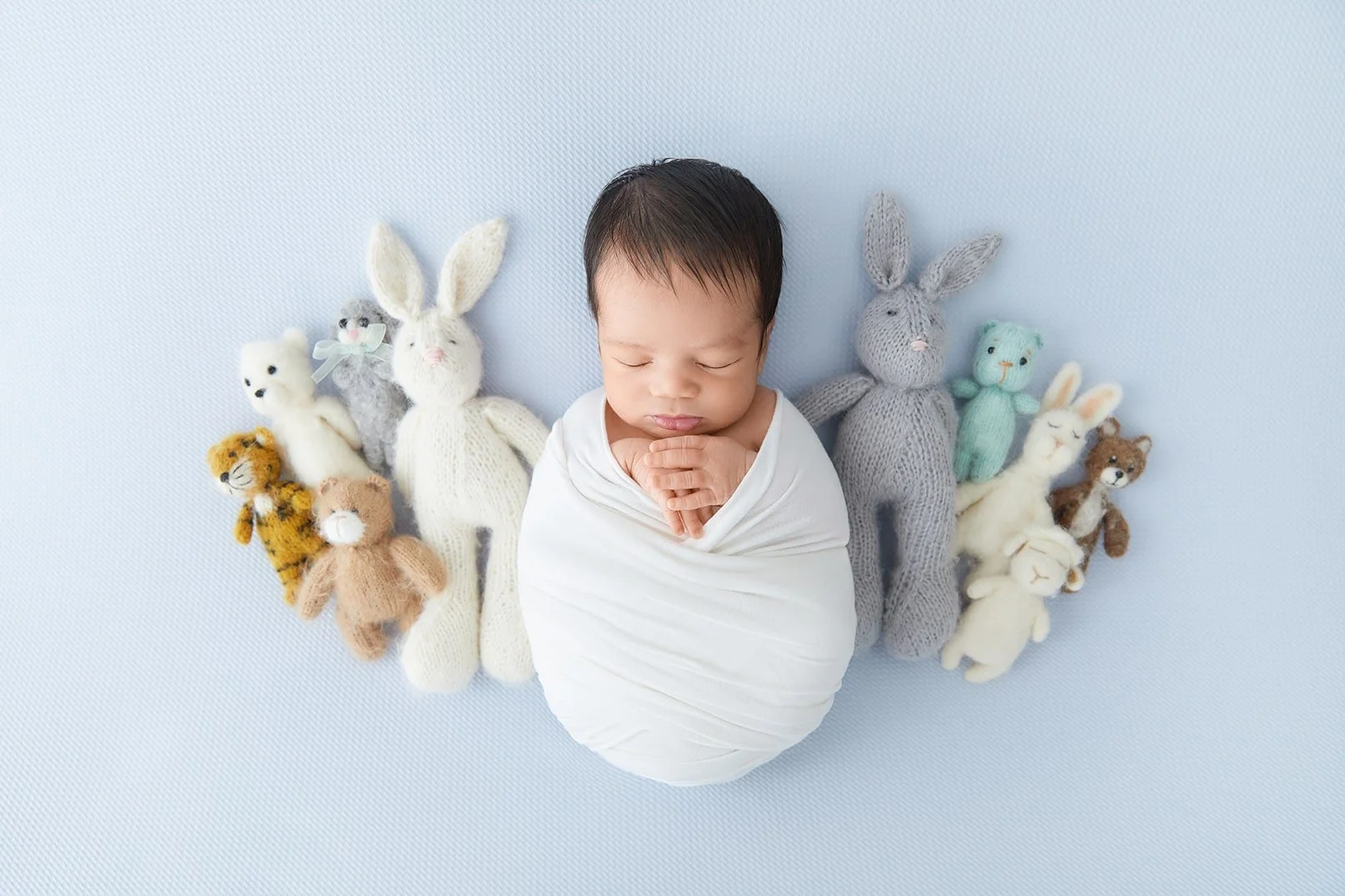
Newborns speak with color and tiny expressions. A sudden flush may mean warmth is too high, while mottling can indicate the little one is chilly. Blue or purple undertones around the mouth require immediate repositioning to open the airway and check temperature. A stiff back, splayed fingers, or frantic rooting tells me it’s time for a feed or a burp.
I treat every cue as valuable information. Nothing is rushed. Sessions capture the baby we have that day, not the plan in my head. Trusting the baby’s timeline protects safety and, beautifully, produces those sweet expression details that feel unposed and honest.
Safe Alternatives To Risky Poses
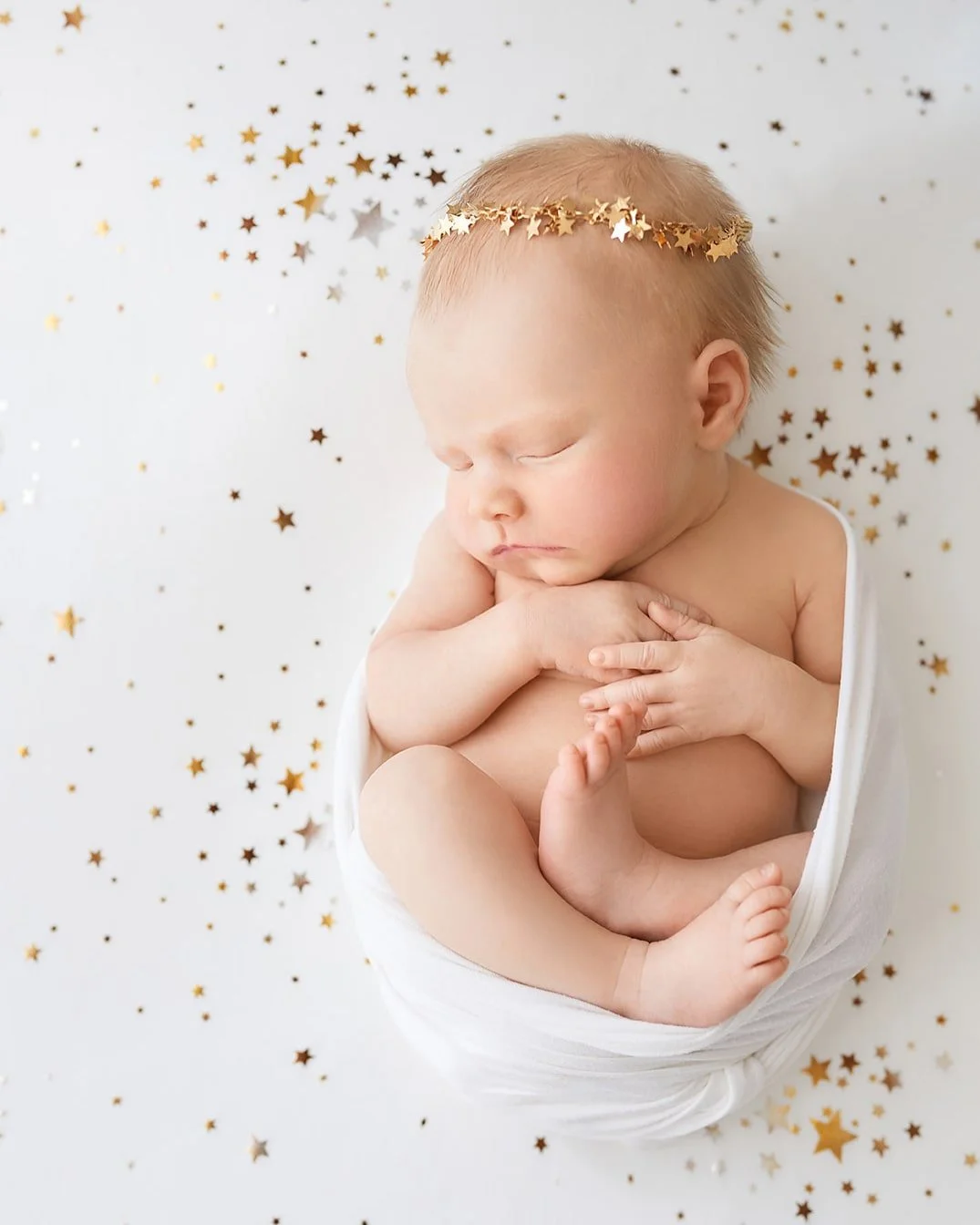
If a baby resists a planned pose, safe alternatives deliver equally stunning newborn photos. A snug swaddle with a gentle side lay gives a relaxed profile and shows the curve of the cheek. A simple back lay with the hands near the face and a softly textured backdrop feels like a whisper.
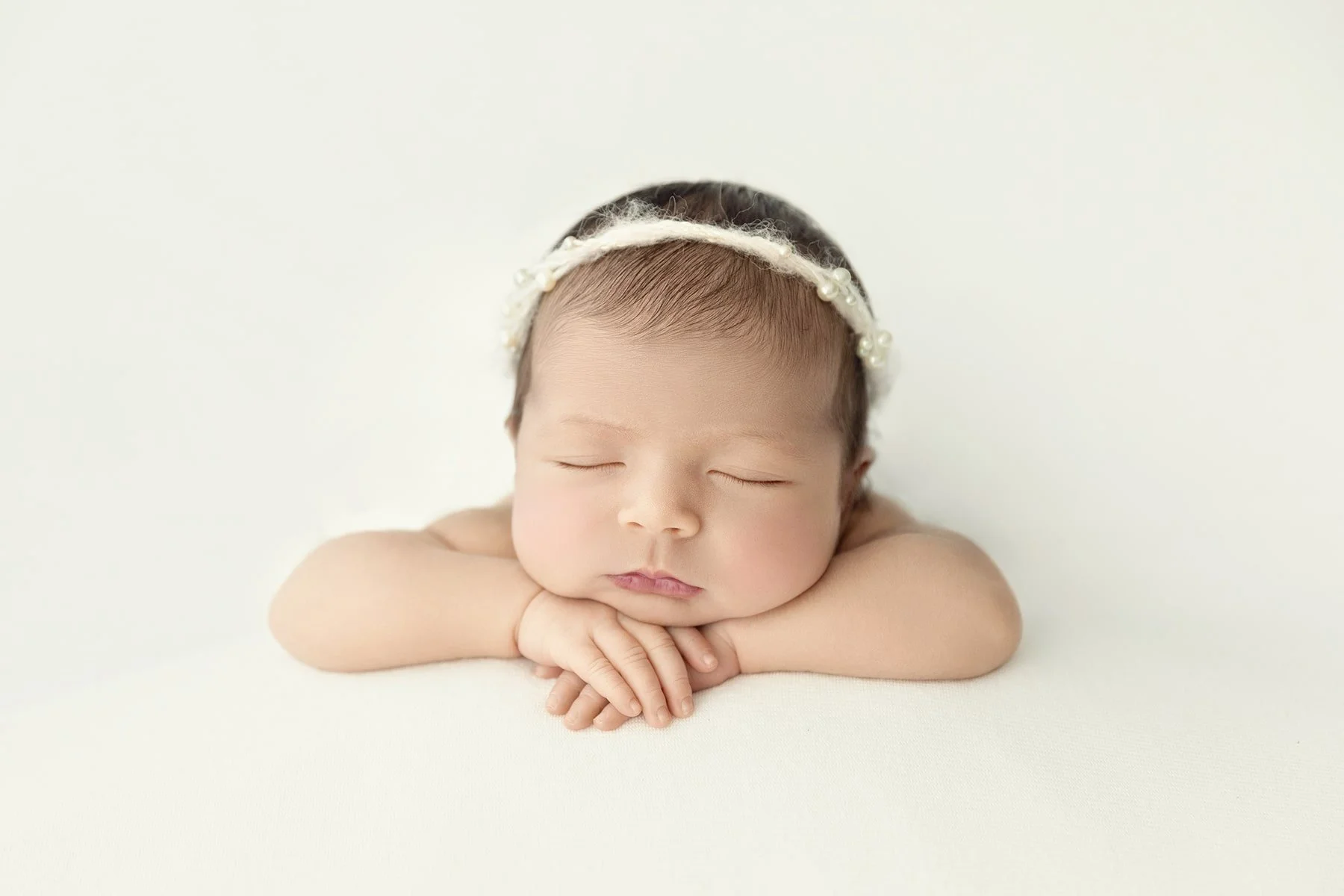
A tummy lay can be safe if the hips are supported and the airway is visible, I keep the head slightly turned and avoid any compression through the chest. A parent’s hands cupping the baby from below is always an elegant solution as the scale of adult hands against tiny features emphasizes the earliest days without any strain on baby’s joints.
When photographers use light thoughtfully, indirect light brushing across eyelashes, a reflector lifting shadows under the chin, those simple poses feel like fine art.

Using Props Safely During A Newborn Photoshoot
Every prop is chosen for stability first, aesthetics second. I favor low, wide vessels with a heavy base and a large footprint so the center of gravity is predictable. Inside, I layer a firm pad, then soft padding, then fabric, creating a nest that keeps pressure off baby’s wrists and ankles.
I inspect for splinters, rough edges, snags, and unstable hardware before every session. The wrap or outfit is selected to complement the prop without any tight elastics that could imprint baby’s skin. I never place a prop on a high surface without redundant safety measures and a spotter.
If a parent requests a specific heirloom, I test it for balance and texture beforehand and set expectations for how we’ll use it safely, even if that means the heirloom appears next to baby rather than under baby.
When To Say “No” To A Parent’s Pinterest Inspiration
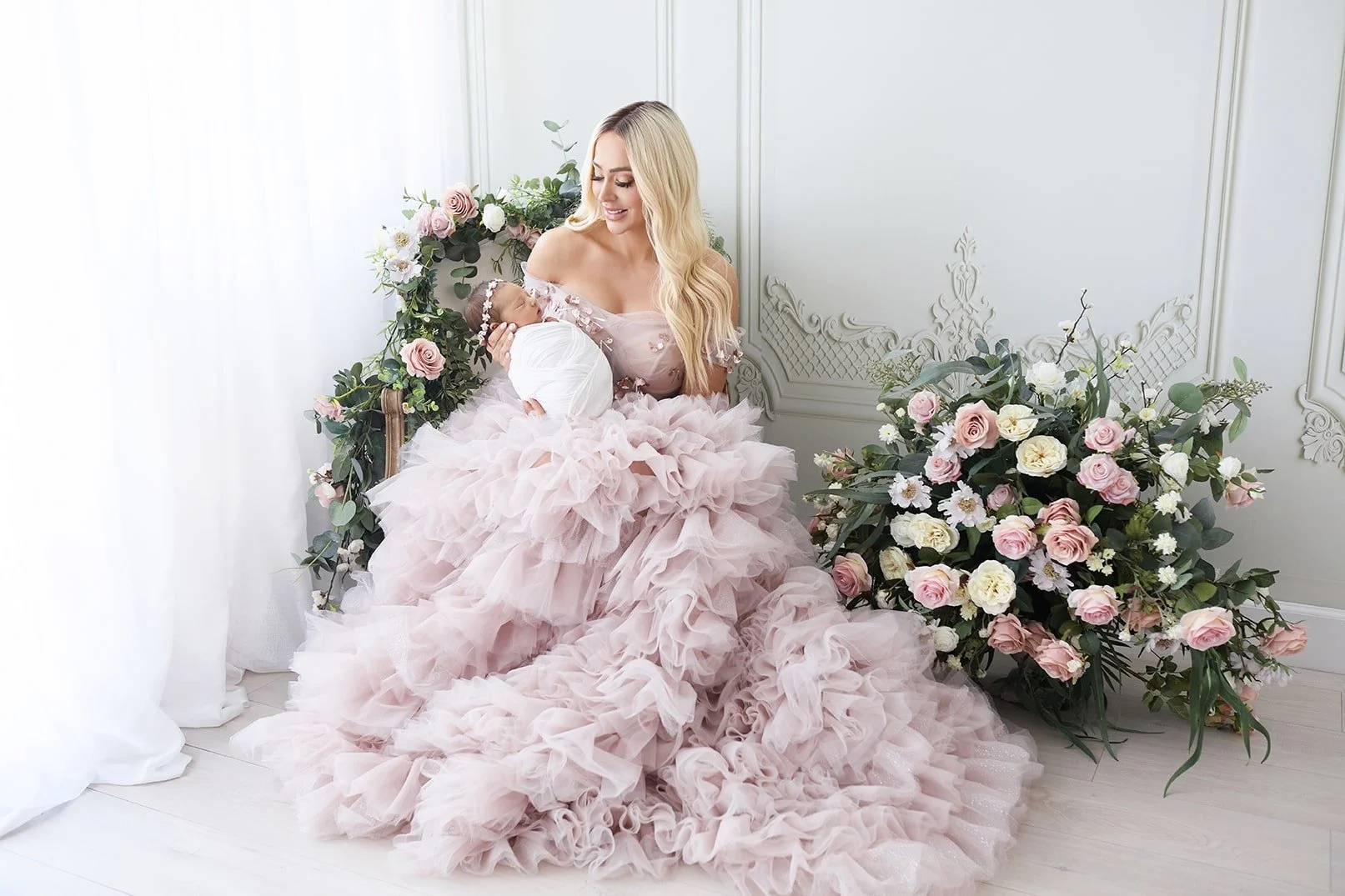
Parents bring beautiful ideas, and it’s my job to protect their baby while honoring their vision. When an inspiration image shows a risky balance, a suspended pose, or anything that compresses the airway, I explain how the image was likely created and what a safe alternative would look like.
Swaddling Safely Without Restricting Hips Or Airway
Swaddling is an art and a safety feature. I keep elbows easy and free enough to allow natural movement, and I ensure the wrap is snug across the torso but looser at the hips. Healthy hip positioning means the legs can naturally fall frog-like with gentle abduction, we never bind the hips straight or tight.
The top edge of the wrap sits below the shoulders so fabric doesn’t creep toward the mouth or nose. When transitioning from a full swaddle to a partial reveal, I loosen slowly rather than unwrapping in one go. That gradual shift preserves warmth and reduces the startle response, especially for an awake baby who’s curious but not quite ready for full freedom.
Feeding And Burping Breaks
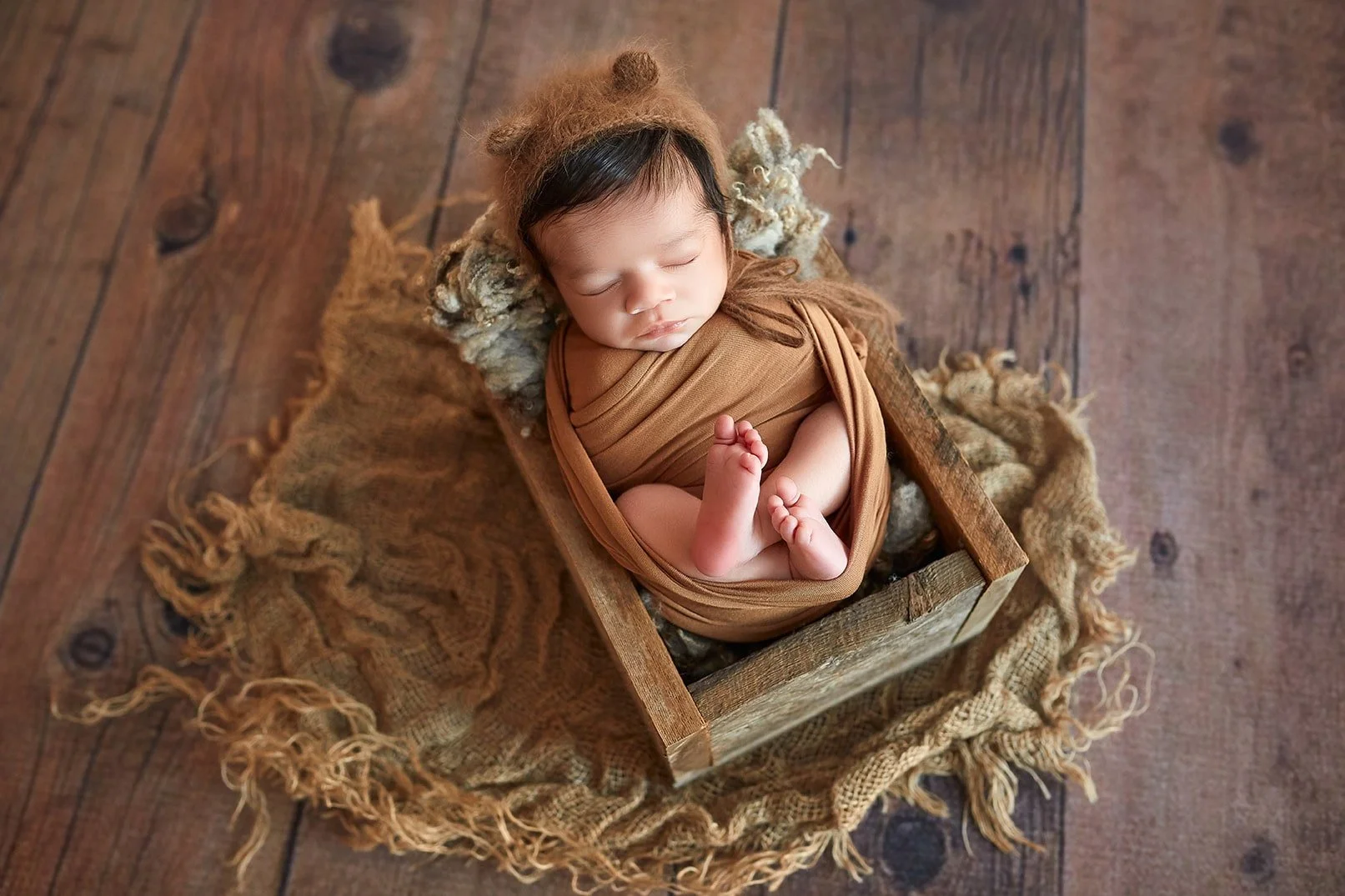
A well-timed feed and a thorough burp are the secret ingredients to a smooth newborn photo shoot. I like to start with a top-off feed in the studio, then burp until the back feels soft under my palm and the belly moves freely with each breath. If baby shows signs of reflux, arching the back, gulping, small spit-ups, I elevate slightly during posing and avoid tummy pressure. I keep soft, absorbent cloths within reach, and we take breaks as needed. A session may run a little longer because we honor these rhythms, but the reward is a peaceful baby, fewer startles, and expressions that feel like pure contentment.
Working With Awake Babies Vs. Sleepy Babies
Newborns drift through light and deep sleep cycles more quickly than adults. In light sleep you’ll see fluttering eyelids and small movements, in deep sleep the limbs relax and the mouth loosens. I watch for those heavy-lid moments to adjust hands, rotate a swaddle, or refine a pose. If a baby stirs, let the hands rest gently on the chest for a few seconds, shush softly, and add a tiny rocking motion. White noise helps bridge the gap back to sleep. If the room has cooled, add a light wrap. Everything is small and patient. For some babies, a brief pacifier session is the reset button, for others, a quick cuddle against a warm shoulder is better.
Capturing Awake Expressions Without Overstimulating
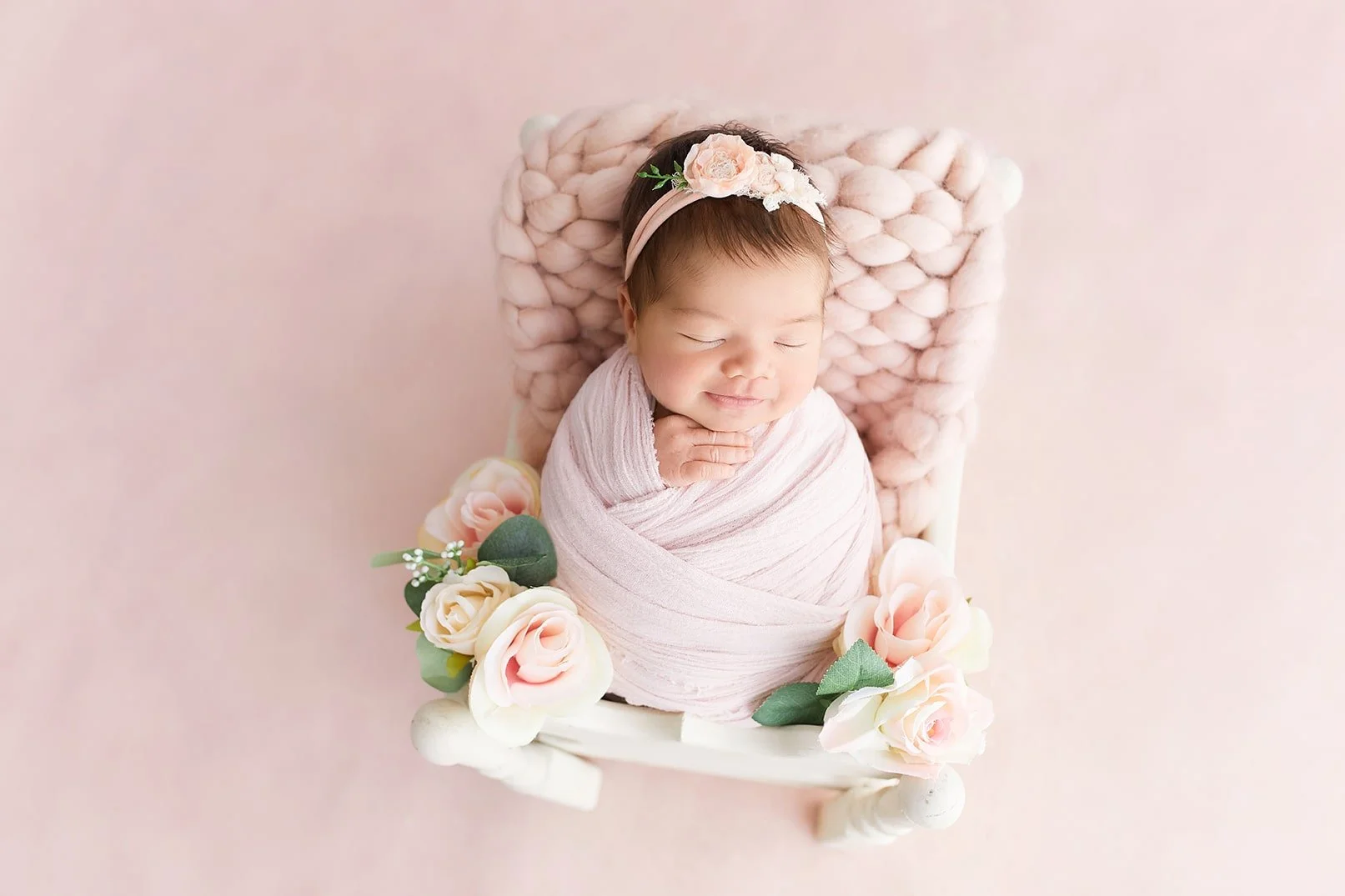
Awake moments are gold. That sweet expression of surprise, the barely-there smile, the intense eye contact that melts a parent, it all happens when we respect stimulation levels. reduce visual clutter, keep the light gentle, and avoid fast movements. Lay the baby on a supportive surface with a soft, neutral backdrop and angle the reflector to bring sparkle to the eyes without glare.
If the baby is awake but calm, I tuck the hands near the face so the photos look intentional rather than flaily. If the baby is awake and restless, I return to a partial swaddle for contained comfort. The result is awake images that feel purposeful, flattering, and safe.
Family & Sibling Safety During Newborn And Family Sessions
Before beginning, explain to big brother or sister that their special job is to be the baby’s cozy blanket. Practice first with a doll or a rolled wrap to demonstrate hand placement, where to kiss (temple or crown, not the face), and how to snuggle without leaning. For toddlers, use a parent’s lap or place the baby in a secure, low prop surrounded by firm padding to remove any risk of rolling. Capture the closeness quickly, then offer a short break and a small reward so siblings associate the session with something positive. Safety and realistic expectations work together, when the environment is staged thoughtfully, the resulting images feel natural and effortless.
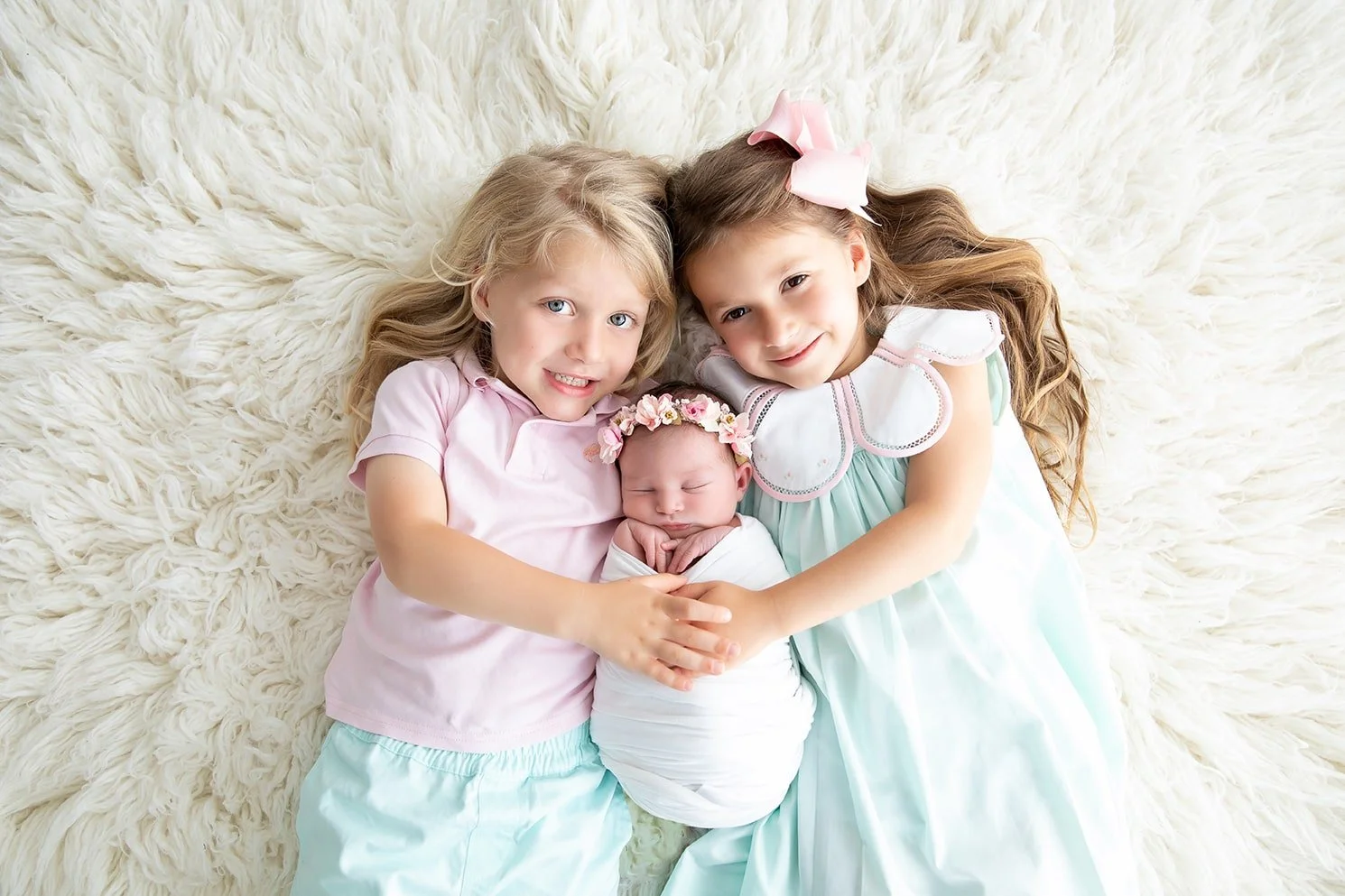
Making Parents Feel Relaxed So Safety Stays Centered
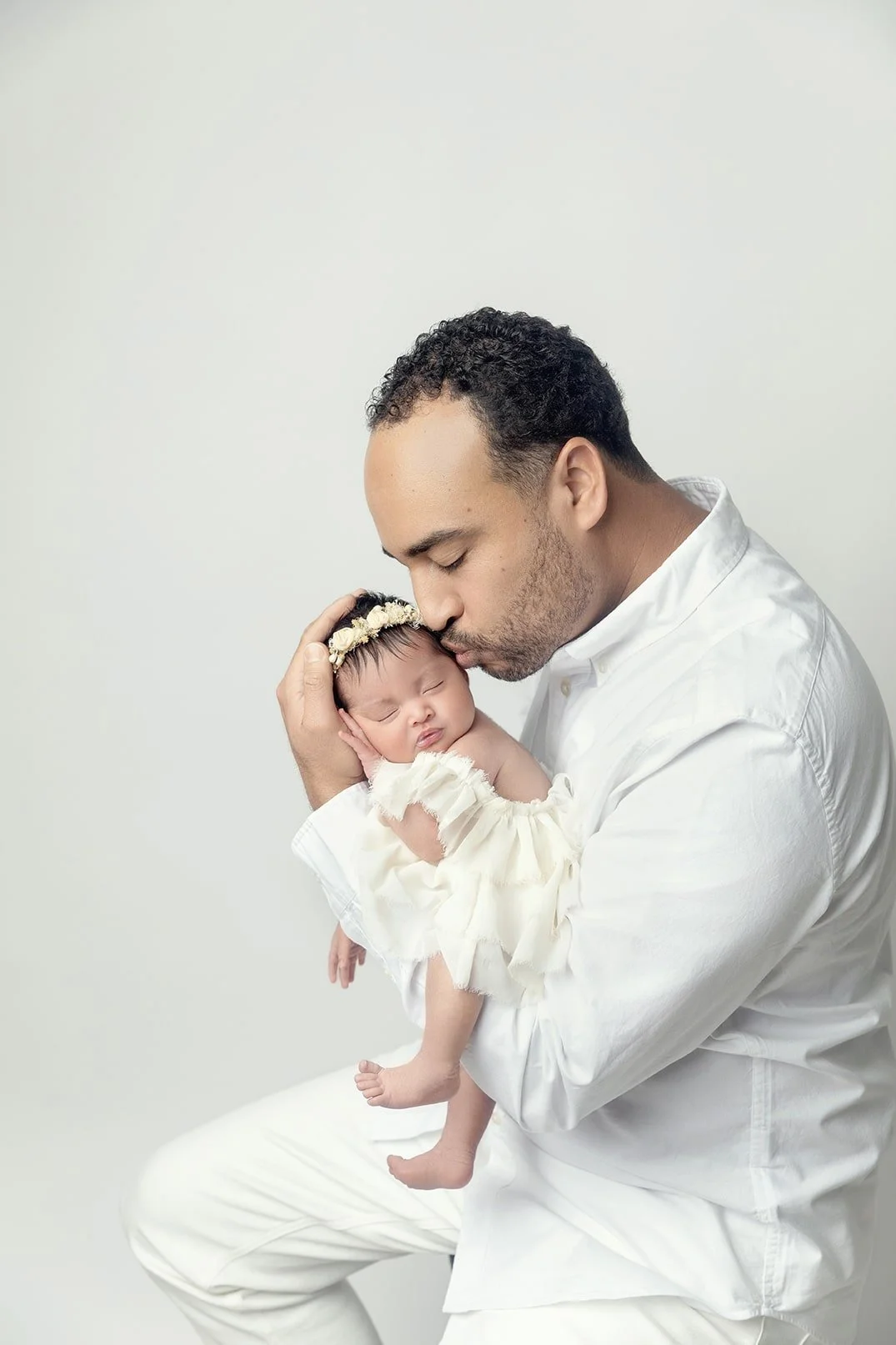
Parents set the emotional tone. I reassure new moms that they don’t need to apologize for feeding, for burping, for baby noises, for diaper changes, or for needing a moment. I remind dads that their presence and calm hands are the best props in the room. I keep family photo time short and sweet, with comfortable standing poses using indirect light.
What If The Baby Has Reflux, Jaundice, Or Colic?
Real life comes into the studio, and sessions adapt accordingly. When jaundice is present and the baby appears lethargic, keep the baby clothed and warm, minimize handling, and plan for a shorter session. For active reflux, avoid tummy poses, elevate the upper body, and allow extra upright time after feeds. When colic symptoms are strong, shift to lifestyle-style newborn portraits in arms, soft window light, a parent’s shoulder, and gentle movement can be soothing.
If the baby’s cues indicate that the session is not in their best interest that day, rescheduling is always an appropriate and compassionate choice.
Professional practice includes responding to the baby’s comfort first.
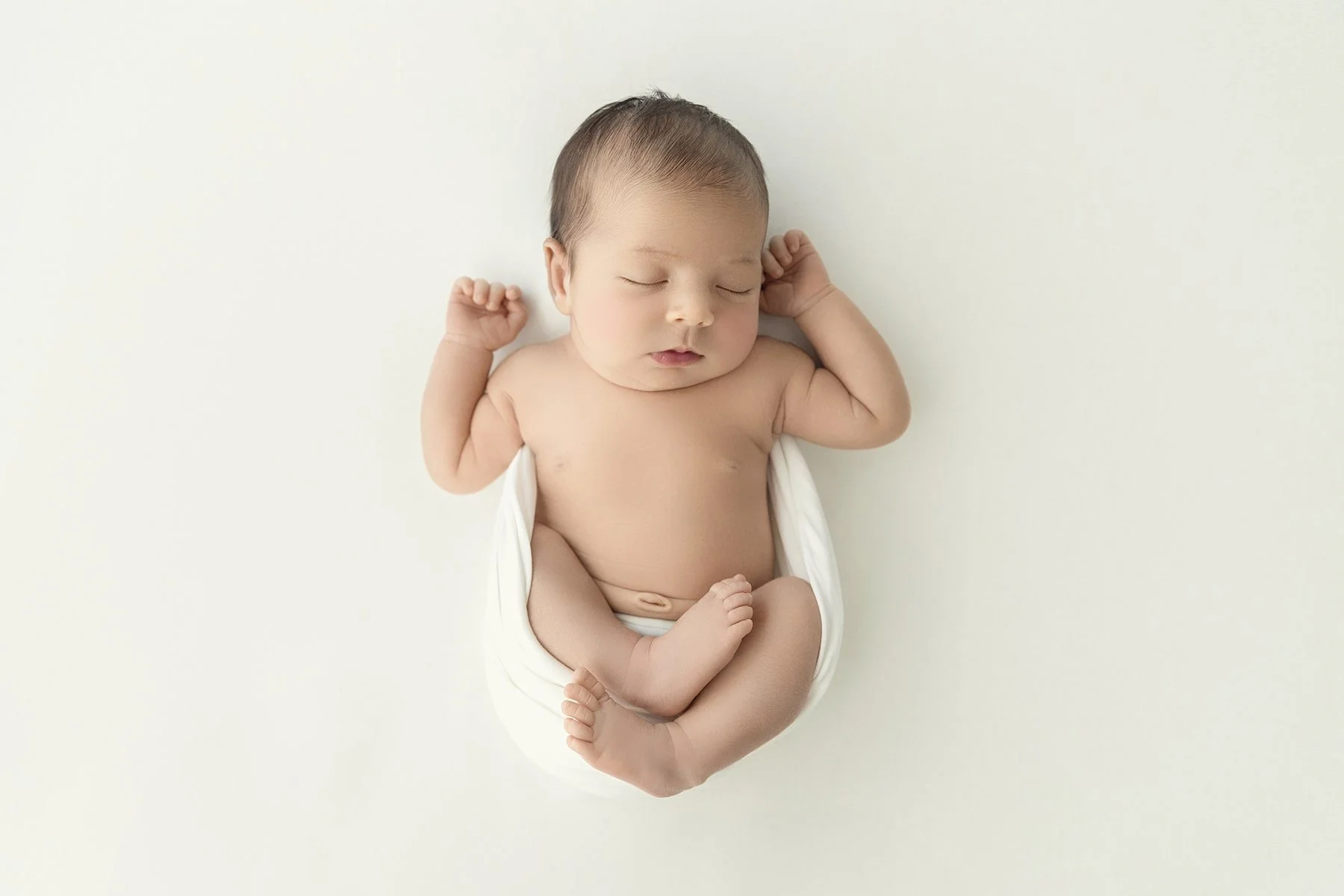
Safety Considerations In An In-Home Newborn Session
Although my own sessions take place in my Beverly Hills studio and I currently don’t offer in-home sessions, many photographers do, and safety principles travel with you. In-home newborn work relies on scouting for safe, indirect light by a shaded window, clearing clutter from floors, sanitizing any textiles brought from the studio, and using non-slip mats under posing areas.
It’s crucial to avoid soft surfaces like sofas for unsupported poses, babies can roll unpredictably. Keep pets out of the active posing area and watch ambient temperature, homes can be drafty.
A portable white noise app can be a lifesaver to smooth the soundscape. Lifestyle photography in-home focuses on safe snuggle positions in a parent’s arms, on the master bed with firm support and a spotter, or in a nursery chair with neutral backdrops. The same airway, temperature, and handling rules apply.
When Parents Want To Try DIY Newborn Photos At Home
Parents often ask how to take a few meaningful photos themselves. I celebrate that instinct, it’s lovely to help you capture your baby’s first few weeks. My DIY advice is to keep it simple and safe.
Use natural, indirect light near a window, turn off overhead lights, and choose a plain blanket in a soft neutral color as a backdrop. Keep baby warm, swaddle gently with hips free, and aim for side or back-lying positions with face tilted toward the light. Avoid any raised surfaces or props.
If baby is awake, work with it, photograph the little one’s hands holding your finger, eyelashes, the swirl of hair, or the way the toes curl after a yawn. If at any moment you feel unsure, stop and cuddle. The image you take a little later after a feed is always better than the one you rushed.
For a deeper dive, my DIY Newborn Photoshoot Course walks parents and beginner photographers through safe at-home setups and techniques.
What If My Photographer Isn’t Certified?
Certification isn’t a magic stamp, but it does signal commitment to learning and safe practice. Safety training teaches photographers to recognize airway compromise, to support joints appropriately, to perform composites rather than hand-free poses, and to sanitize a studio properly. A professional newborn photographer invests in ongoing education because infants change, gear evolves, and best practices refine over time.
I regularly study, practice, and teach safe posing, it’s one reason I created the Full Newborn Shoot Day Course and the Newborn Photography Masterclass at ROXAMINA Photography Academy.
When you’re researching, don’t be shy about asking what safety education your photographer has completed and how they maintain those standards.
Signs That A Photographer Prioritizes Safety
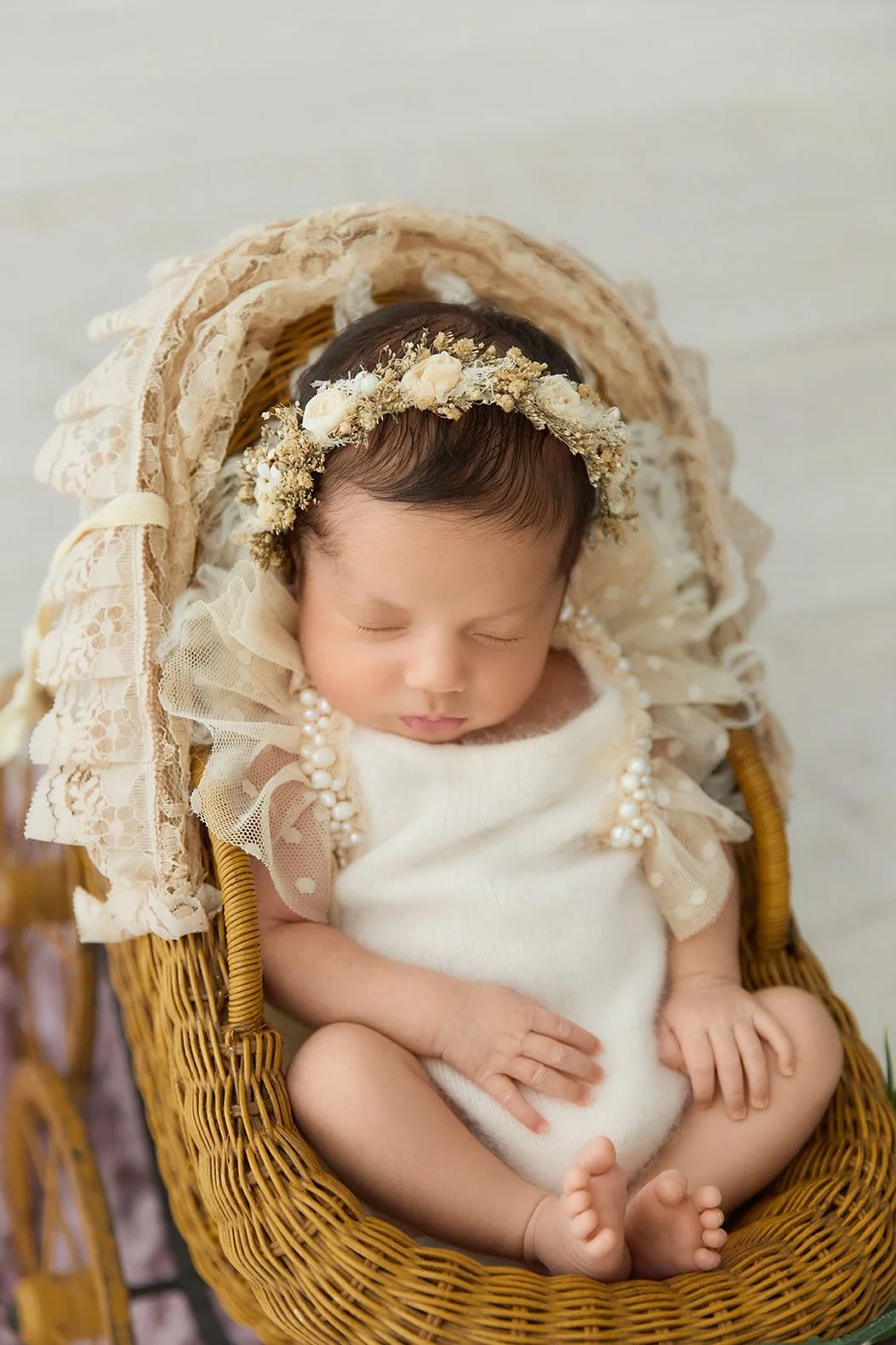
You’ll notice calm pacing, a warm studio, clean and fresh wraps, and hands always close to the baby. You’ll hear them guide parents about when to assist and when to rest. You’ll see careful transitions, gentle swaddles with flexible hips, and no attempt to force a pose when baby resists. You’ll feel respected as a new mom or dad, and you’ll never be asked to do something that makes you uneasy. Those are the hallmarks of a safe newborn photographer.
How Professional Newborn Photographers Prep For Sessions
A newborn session is part art, part logistics, and part emotional care. I plan for feeds on arrival, midway, and as needed, and I keep extra time for burps. I keep the studio quiet, with a comfortable seating area for parents and a clean changing station stocked with wipes and spare diapers. I encourage new moms to drink water, to ask for a pause if they feel lightheaded, and to tell me if a position feels uncomfortable. When parents feel cared for, they project ease to the baby, and the session flows.
Creating A Studio That Feels Like A Sanctuary, Not A Set
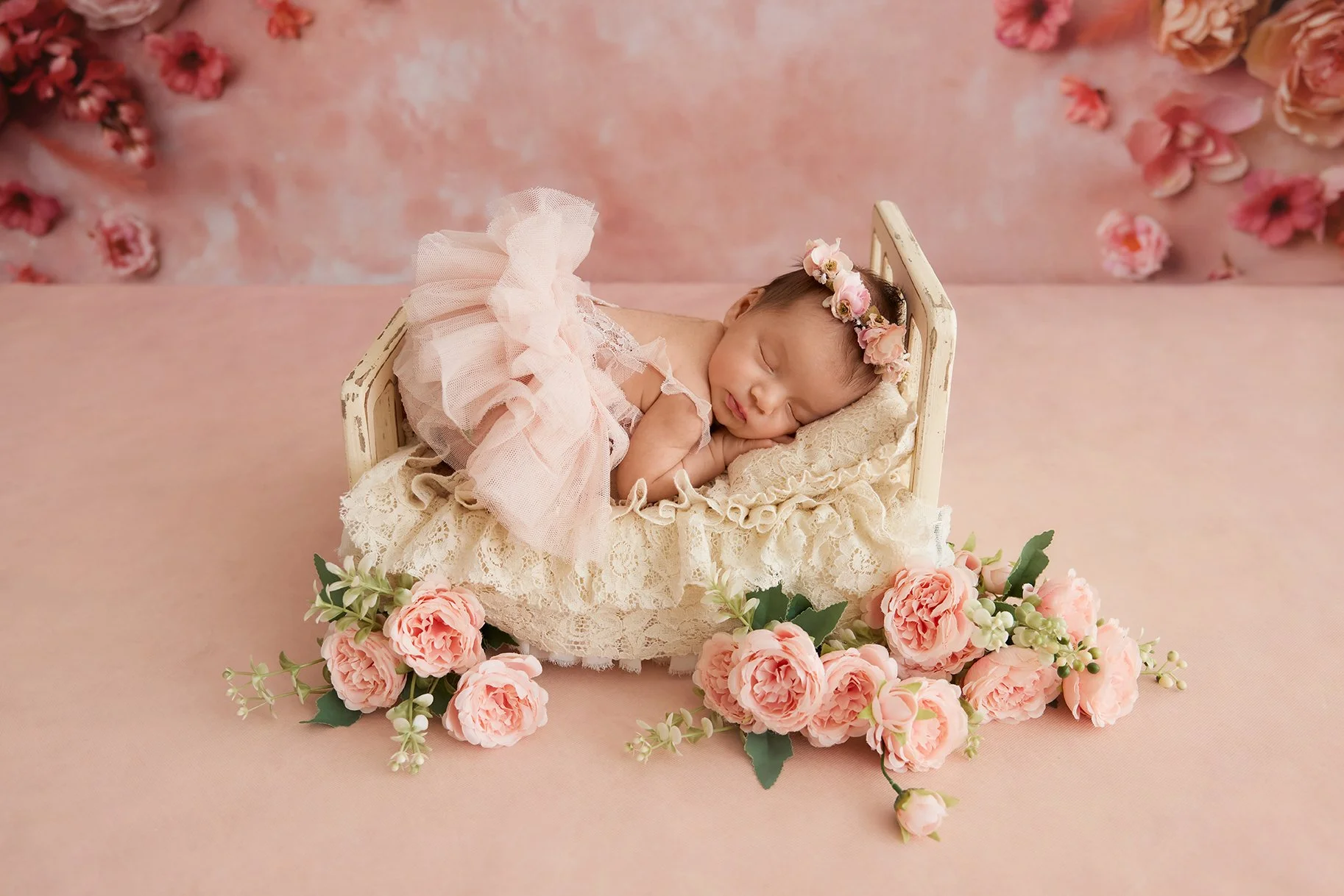
Everything is designed for softness. Natural light filters through sheers. The posing table is firm and smooth with hidden supports beneath the fabric. Backdrops are neutral so the baby’s skin tones glow. The playlist is slow and unobtrusive. Props are pre-selected to avoid decision fatigue. I lay out wraps and bonnets in a gentle palette that suits the family’s preferences. Each transition is small. Each adjustment is quiet. The studio is clean, warm, and fragrance-free. It’s a space where tiny humans rest easily and parents exhale.
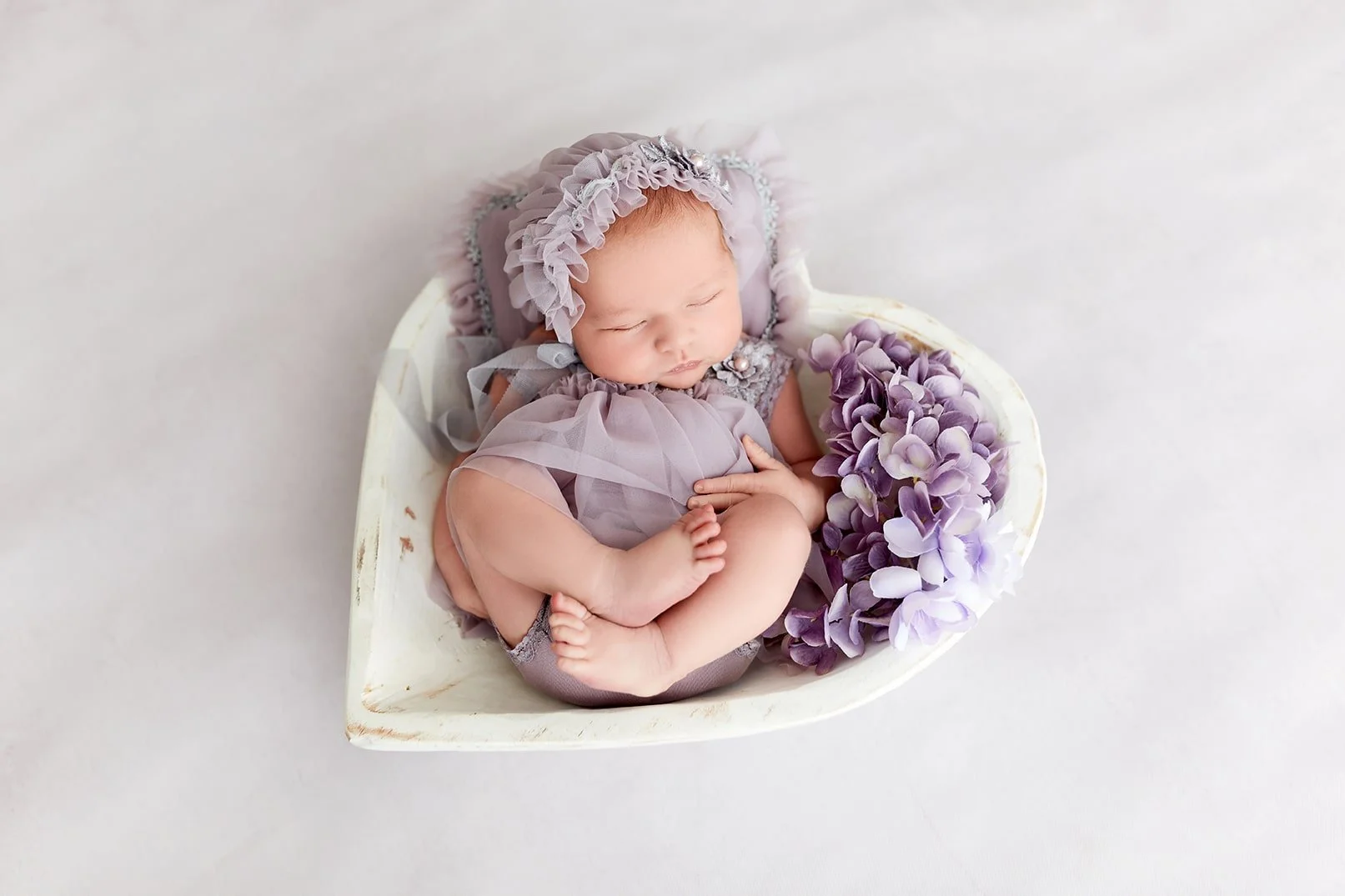
For Photographers Who Want To Improve Their Newborn Safety Skills
If you’re a photographer building a newborn photography business, the best investment is structured practice and mentorship focused on safety. Work with beanbags and posing dolls to refine hand placement. Study safe composite techniques. Learn to read skin color changes under different lights. Practice swaddles that support the airway while freeing hips. Build your prop library slowly with pieces designed for newborns. And keep learning. Safety evolves with our understanding of infant physiology and with new tools that make setups more secure.
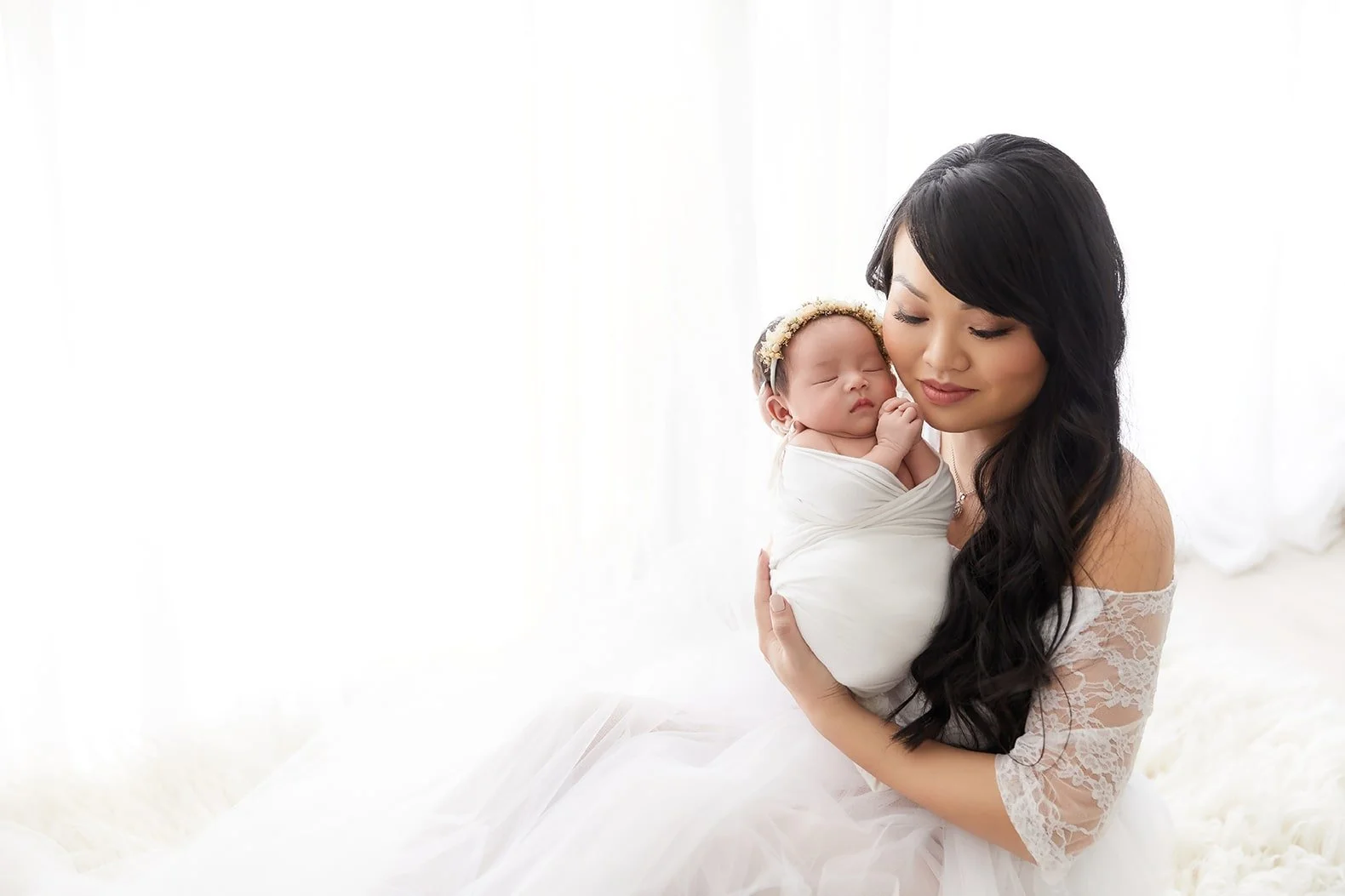
Courses & Trainings To Build Confidence And Master Safe Posing
At ROXAMINA Photography Academy, I teach the foundations and the fine points because I want you to feel confident. The Full Newborn Shoot Day Course walks you through a real session from prep to final images so you can see how decisions unfold in real time.
For parents and beginner photographers curious about at-home images, the DIY Newborn Photoshoot Course offers step-by-step guidance to keep things simple and safe.
If you’re expanding into milestones, the Sitter Session (6 Months) Course shows how to photograph babies who sit confidently but aren’t yet crawling, and for those asking about siblings, the 1 Month Old With Sibling Course explores practical, safe strategies for that dynamic.
If you’re building across categories, my Baby & Newborn Photography Masterclass will give you a comprehensive view of all the tips and tricks that took me close to a decade to master.
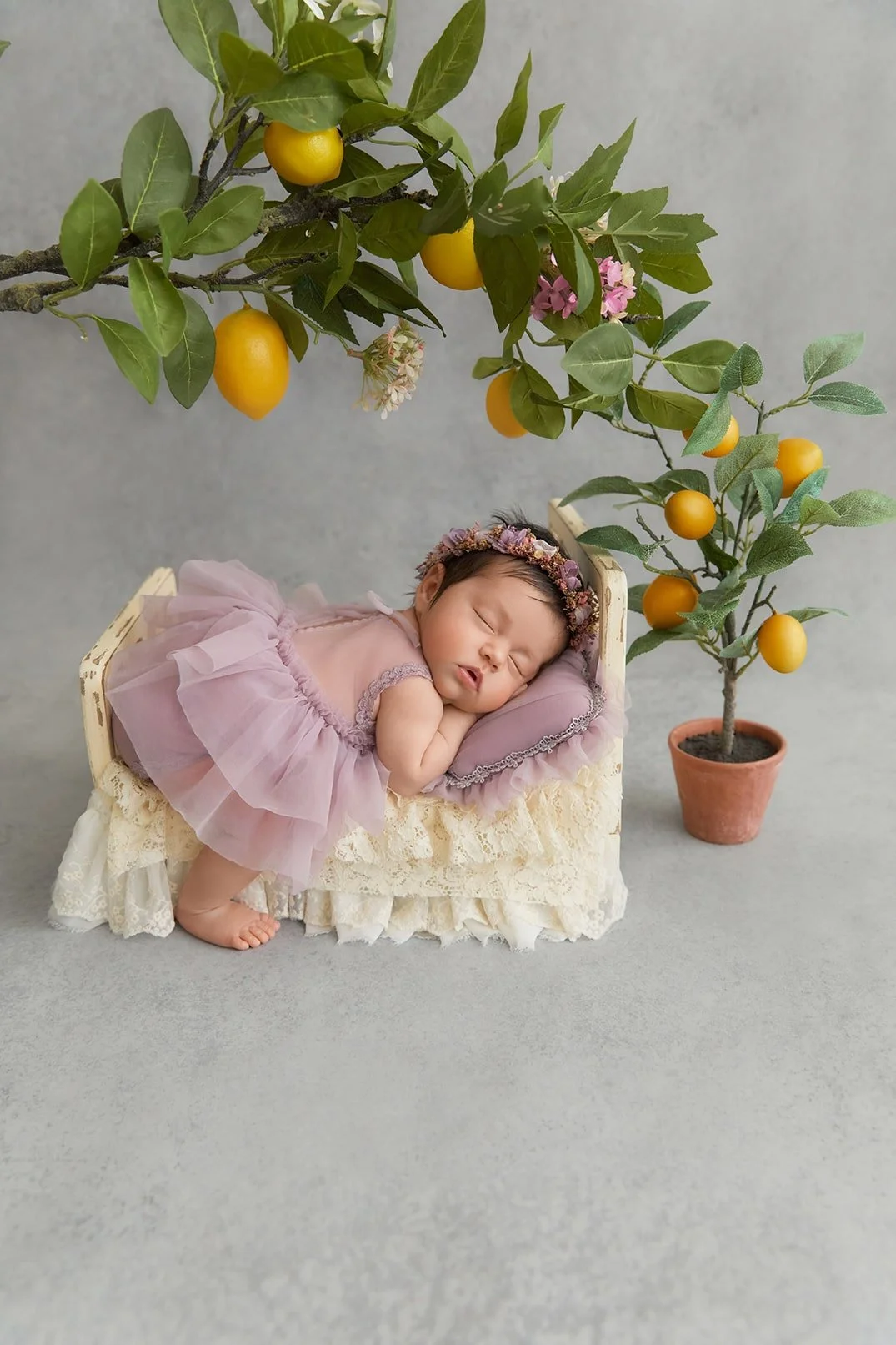
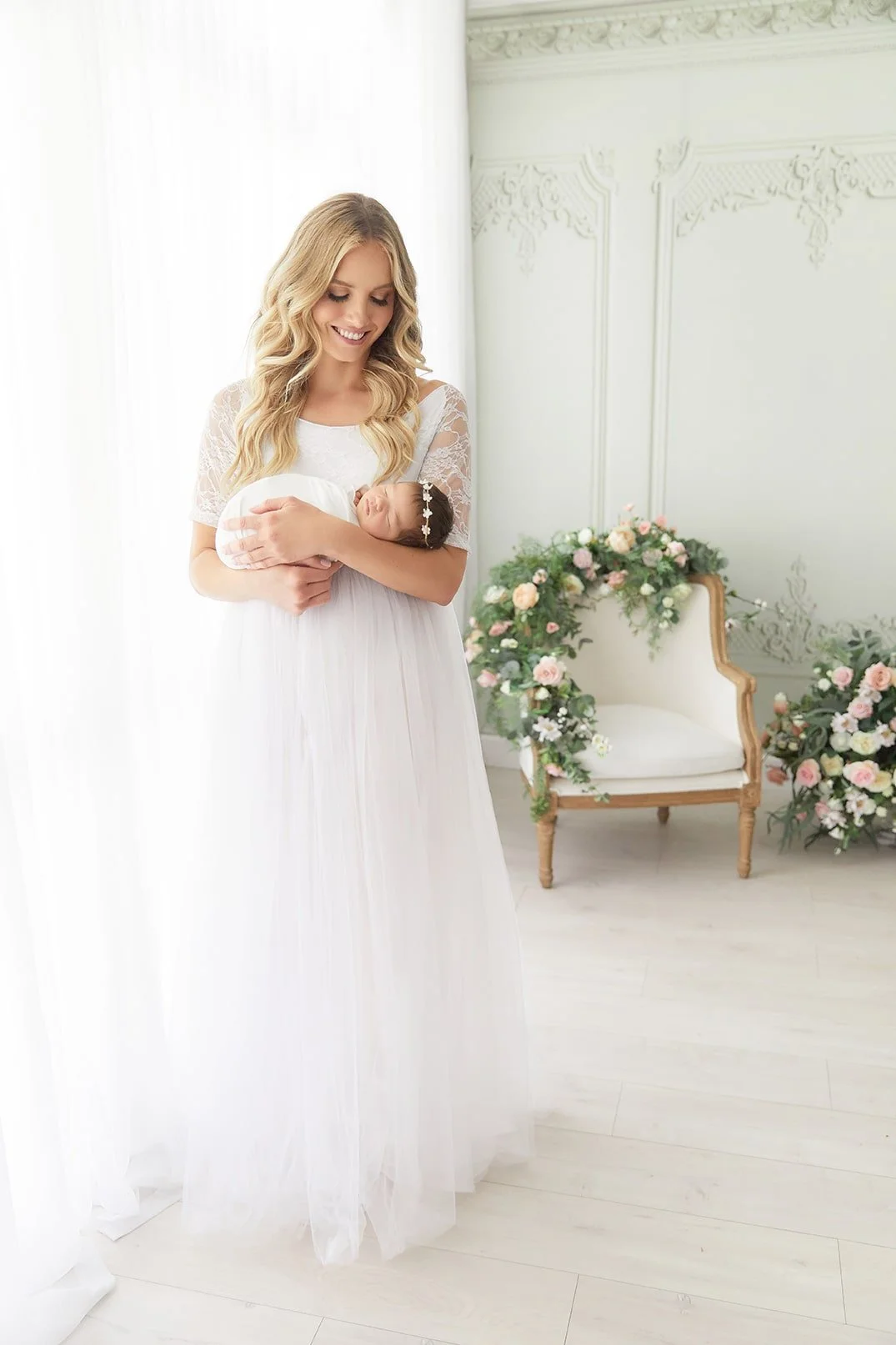
These Photographs Will Mean More Than You Can Imagine
Parents often tell me, weeks after their newborn session, that the photos changed how they remember those earliest days. The images slow down what otherwise blurs. When you look back, you’ll see the tiny swirl at the crown, the soft pout, the curve of a palm around your finger. You’ll feel the weight of a sleepy baby sleeping against your shoulder. Newborn photography sessions capture more than faces, they immortalize that memory.
Conclusion
Every choice we make, from the extra minute spent burping, the soft wrap that protects hips, the gentle lift of a shoulder roll, the decision to switch to a parent’s arms instead of pushing a pose, says to a baby, “You are safe.” That’s what radiates from the final images. That’s why families feel a wave of calm when they see their gallery. Safety isn’t separate from artistry. It’s the soul of it.
About Ramina Magid
Ramina Magid is an award-winning newborn photographer, celebrated for her organic, timeless approach to capturing life’s earliest moments. Originally from Baku, Azerbaijan, Ramina built her dream newborn photography studio in Beverly Hills, where she has photographed more than 800 newborns and families over the past eight years.
Her gentle, safety-focused style and natural light aesthetic have made her one of the most sought-after newborn photographers in California. In 2024, her work was recognized with awards for Best Newborn Photographer in both Beverly Hills and Los Angeles.
Ramina’s portraits have reached millions worldwide through social media, admired for their warmth, simplicity, and emotional honesty. See her courses here.
Source: Ramina Magid